-
Destinations
-
Monterey
- Hotels
- Things to Do
- Monterey County on a Budget
- Itinerary: Midweek Monterey Getaway
- Monterey Beaches
- Cannery Row
- Old Fisherman's Wharf
- Monterey Bay Aquarium
- WeatherTech Raceway Laguna Seca
- Monterey Bay Coastal Recreation Trail
- Historic Monterey
- Monterey Wine Tasting Rooms
- Monterey State Beach
- El Estero Park
- Jacks Peak Park
- Veterans Memorial Park
- Guided Tours
- Restaurants
- Shopping
- Travel Like a Monterey Expert
-
Big Sur
- Travel Like a Big Sur Expert
- Hotels
- Camping & Hiking
- Big Sur Beaches
- Arts & Culture
- Bixby Bridge
- Big Sur Itinerary
- Big Sur Live Webcam
- Big Sur International Marathon
- Andrew Molera State Park
- Garrapata State Park
- Julia Pfeiffer Burns State Park
- McWay Falls
- Limekiln State Park
- Los Padres National Forest
- Pfeiffer Big Sur State Park
- Point Sur Lightstation
- Restaurants
- Spas
- Pebble Beach
- Carmel-by-the-Sea
-
Pacific Grove
- Hotels
- 48 Hours in Pacific Grove
- Good Old Days Festival
- Feast of Lanterns
- Butterfly Parade
- Asilomar State Beach
- Lovers Point Park and Beach
- Monarch Grove Butterfly Sanctuary
- Monterey Bay Coastal Recreation Trail
- Pacific Grove Museum of Natural History
- Point Pinos Lighthouse
- Things to Do
- Restaurants
- Travel Like a Pacific Grove Expert
- Carmel Valley
- Marina
- Seaside
- Salinas
- Moss Landing
- Sand City
- Castroville
- Spreckels
- South County
-
Monterey
- Lodging
-
Things to Do
- Top Ways to Grab Life by the Moments
- Free Things to Do in Monterey County
- Attractions
-
Itineraries
- Now is the Moment Itineraries
- Highlights Itinerary
- Outdoors Itinerary
- Family Itinerary
- Girlfriend Getaway Itinerary
- Golf Itinerary
- History and Heritage Itinerary
- Road Trip Itinerary
- Romantic Itinerary
- Shopping Itinerary
- Spa Itineraries
- Steinbeck Itinerary
- Wine and Dine Itinerary
- Three Days in Monterey Wine Country
- Outdoor Activities
- Animals and Wildlife
-
Parks
- Top 10 Campsites
- Andrew Molera State Park
- Cachagua Community Park
- El Estero Park
- Elkhorn Slough
- Fort Ord National Monument
- Fremont Peak State Park
- Garland Ranch Regional Park
- Garrapata State Park
- Jacks Peak Park
- Julia Pfeiffer Burns State Park
- Laguna Seca Recreation Area
- Lake San Antonio
- Limekiln State Park
- Locke-Paddon Community Park
- Los Padres National Forest
- Monarch Grove Butterfly Sanctuary
- Monterey Bay National Marine Sanctuary
- Pfeiffer Big Sur State Park
- Pinnacles National Park
- Point Lobos State Reserve
- Point Sur Lightstation
- Royal Oaks Park
- Salinas River National Wildlife Refuge
- San Lorenzo Park
- Toro Park
- Veterans Memorial Park
-
Beaches
- Undiscovered Beaches
- Asilomar State Beach
- Big Sur Beaches
- Carmel Beach
- Carmel River State Beach
- Fort Ord Dunes State Park
- Lovers Point Park and Beach
- Marina State Beach
- Monterey Beaches
- Monterey State Beach
- Moss Landing State Beach
- Pebble Beach Beaches
- Salinas River State Beach
- Zmudowski State Beach
- Arts and Culture
- Family Adventures
- Golf
- Guided Tours
- Literary Sites
- Romance
- Shopping
- Spas
- Nightlife and Entertainment
- Historic Attractions
-
Events
- This Weekend
- Annual Events
- Music Festivals
-
Sporting Events
- Monterey Car Week & Pebble Beach Concours d'Elegance
- Firestone Grand Prix of Monterey (INDYCAR)
- California International Airshow Salinas
- AT&T Pebble Beach Pro-Am
- Spartan Race
- MotoAmerica Superbike Speedfest
- California Rodeo Salinas
- Sports Car Championship
- Pure Insurance Championship at Pebble Beach
- TaylorMade Pebble Beach Invitational
- Food & Drink Events
- Art Festivals
- Community Events
- Holiday Events
- Submit an Event
- Food & Drink
- Resources

-
Destinations
-
Monterey
- Hotels
- Things to Do
- Monterey County on a Budget
- Itinerary: Midweek Monterey Getaway
- Monterey Beaches
- Cannery Row
- Old Fisherman's Wharf
- Monterey Bay Aquarium
- WeatherTech Raceway Laguna Seca
- Monterey Bay Coastal Recreation Trail
- Historic Monterey
- Monterey Wine Tasting Rooms
- Monterey State Beach
- El Estero Park
- Jacks Peak Park
- Veterans Memorial Park
- Guided Tours
- Restaurants
- Shopping
- Travel Like a Monterey Expert
-
Big Sur
- Travel Like a Big Sur Expert
- Hotels
- Camping & Hiking
- Big Sur Beaches
- Arts & Culture
- Bixby Bridge
- Big Sur Itinerary
- Big Sur Live Webcam
- Big Sur International Marathon
- Andrew Molera State Park
- Garrapata State Park
- Julia Pfeiffer Burns State Park
- McWay Falls
- Limekiln State Park
- Los Padres National Forest
- Pfeiffer Big Sur State Park
- Point Sur Lightstation
- Restaurants
- Spas
- Pebble Beach
- Carmel-by-the-Sea
-
Pacific Grove
- Hotels
- 48 Hours in Pacific Grove
- Good Old Days Festival
- Feast of Lanterns
- Butterfly Parade
- Asilomar State Beach
- Lovers Point Park and Beach
- Monarch Grove Butterfly Sanctuary
- Monterey Bay Coastal Recreation Trail
- Pacific Grove Museum of Natural History
- Point Pinos Lighthouse
- Things to Do
- Restaurants
- Travel Like a Pacific Grove Expert
- Carmel Valley
- Marina
- Seaside
- Salinas
- Moss Landing
- Sand City
- Castroville
- Spreckels
- South County
-
Monterey
- Lodging
-
Things to Do
- Top Ways to Grab Life by the Moments
- Free Things to Do in Monterey County
- Attractions
-
Itineraries
- Now is the Moment Itineraries
- Highlights Itinerary
- Outdoors Itinerary
- Family Itinerary
- Girlfriend Getaway Itinerary
- Golf Itinerary
- History and Heritage Itinerary
- Road Trip Itinerary
- Romantic Itinerary
- Shopping Itinerary
- Spa Itineraries
- Steinbeck Itinerary
- Wine and Dine Itinerary
- Three Days in Monterey Wine Country
- Outdoor Activities
- Animals and Wildlife
-
Parks
- Top 10 Campsites
- Andrew Molera State Park
- Cachagua Community Park
- El Estero Park
- Elkhorn Slough
- Fort Ord National Monument
- Fremont Peak State Park
- Garland Ranch Regional Park
- Garrapata State Park
- Jacks Peak Park
- Julia Pfeiffer Burns State Park
- Laguna Seca Recreation Area
- Lake San Antonio
- Limekiln State Park
- Locke-Paddon Community Park
- Los Padres National Forest
- Monarch Grove Butterfly Sanctuary
- Monterey Bay National Marine Sanctuary
- Pfeiffer Big Sur State Park
- Pinnacles National Park
- Point Lobos State Reserve
- Point Sur Lightstation
- Royal Oaks Park
- Salinas River National Wildlife Refuge
- San Lorenzo Park
- Toro Park
- Veterans Memorial Park
-
Beaches
- Undiscovered Beaches
- Asilomar State Beach
- Big Sur Beaches
- Carmel Beach
- Carmel River State Beach
- Fort Ord Dunes State Park
- Lovers Point Park and Beach
- Marina State Beach
- Monterey Beaches
- Monterey State Beach
- Moss Landing State Beach
- Pebble Beach Beaches
- Salinas River State Beach
- Zmudowski State Beach
- Arts and Culture
- Family Adventures
- Golf
- Guided Tours
- Literary Sites
- Romance
- Shopping
- Spas
- Nightlife and Entertainment
- Historic Attractions
-
Events
- This Weekend
- Annual Events
- Music Festivals
-
Sporting Events
- Monterey Car Week & Pebble Beach Concours d'Elegance
- Firestone Grand Prix of Monterey (INDYCAR)
- California International Airshow Salinas
- AT&T Pebble Beach Pro-Am
- Spartan Race
- MotoAmerica Superbike Speedfest
- California Rodeo Salinas
- Sports Car Championship
- Pure Insurance Championship at Pebble Beach
- TaylorMade Pebble Beach Invitational
- Food & Drink Events
- Art Festivals
- Community Events
- Holiday Events
- Submit an Event
- Food & Drink
- Resources

MONTEREY BAY AQUARIUM
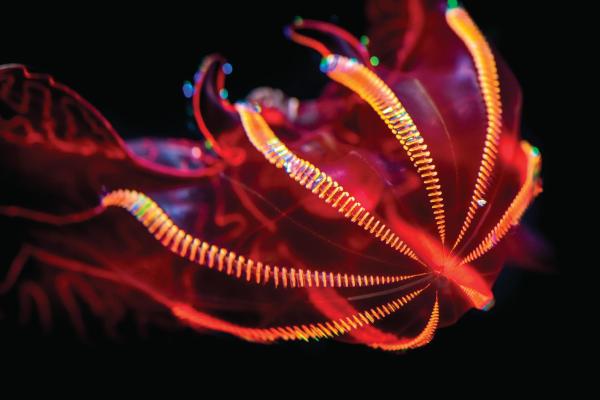
Dedicated to marine research and ocean conservation, the oceanfront Monterey Bay Aquarium is renowned for its interactive exhibits and ability to present marine life on a truly grand scale. The former sardine cannery is now a top attraction on Monterey’s Cannery Row, with over 35,000 creatures representing over 550 sea life and marine species. Key exhibits include the Kelp Forest, the Open Sea and the Sea Otters (of course!). The Aquarium's newest exhibit Into the Deep: Exploring Our Undiscovered Ocean is not to be missed , showcasing the largest collection of deep-sea animals in North America. Fun fact, Pixar's Finding Dory drew heavy inspiration from the Monterey Bay Aquarium!
Tickets and Hours of Operation
TICKETS
Tickets to Monterey Bay Aquarium must be purchased online. No in-person ticket sales are available at this time. Ticket prices are $59.95 for adults (ages 18-69), $49.95 for youth (ages 13-17), $44.95 for children (ages 5-12) and $49.95 for seniors (ages 70+).Digital tickets can be presented at the Main Entrance for entry.
HOURS OF OPERATION
The Aquarium is open daily from 10am - 6am.
Popular Exhibits
OPEN SEA
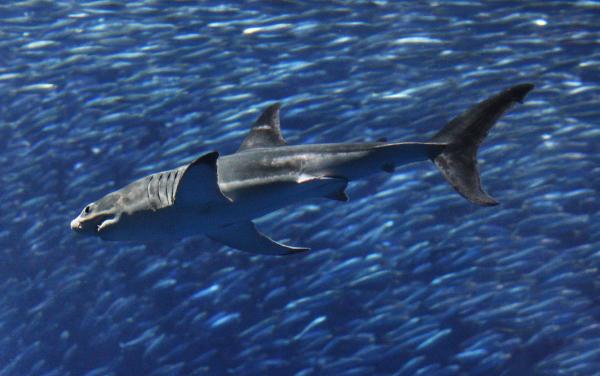
The largest exhibit at the Aquarium, the 1.2 million gallon Open Sea exhibit is home to some of the ocean’s most impressive long-distance swimmers including green sea turtles, hammerhead sharks, a massive school of Pacific sardines, the elusive ocean sunfish (Mola mola) and flashing mahi mahi.
KELP FOREST
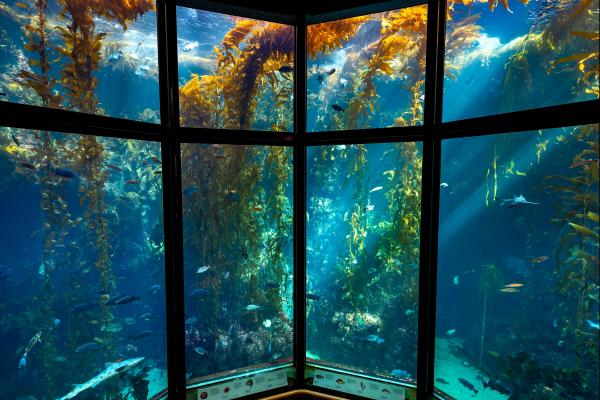
The three-story, 28 feet tall exhibit was designed as a portal to transport visitors into the cold, nutrient-rich waters of Monterey Bay. The ecosystem-based exhibit is home to hundreds of species of fish, invertebrates and algae, many of which arrive via seawater pumped directly from Monterey Bay.
SEA OTTERS
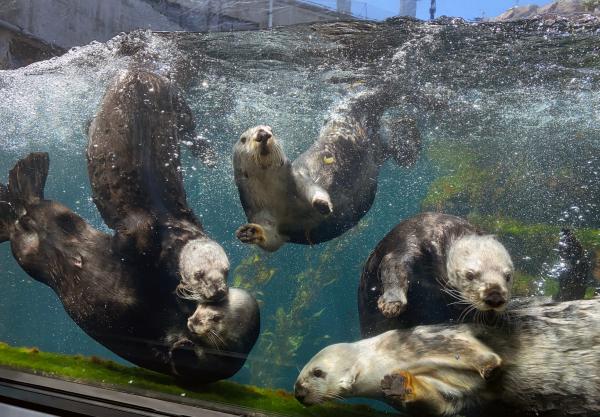
The Aquarium is one of the best places to view Monterey’s favorite mascot, the sea otter. The Sea Otter exhibit is home to female otters rescued by the Aquarium’s Sea Otter Program, who play a vital role in sea otter recovery and restoration efforts. Visitors can watch these playful animals swim at the surface, including during live feeding and training sessions.
Food Inside the Aquarium
The Aquarium Cafe is open daily from 10 a.m.– 30 minutes before closing. The Cafe is cash-free and open for dine-in meals. Order and pay for your meal using your mobile device, at a Cafe kiosk, or with one of the Cafe staff members. Outside food or drink are not allowed inside the Aquarium, except for guests with medical conditions that require access to food and refillable water bottles. View the sample Cafe menu.
For more information, visit the Monterey Bay Aquarium’s website.