
Interview with Linda Yamane, Rumsen Ohlone Artist & Cultural Practitioner
Inspired by America 250, the 2026 celebration of the 250th anniversary of America, Monterey 1000 broadens the lens to recognize histories that long predate the founding of the United States. Over the coming year, this ongoing series will explore those stories, starting with some of the earliest chapters, and connecting them to what makes the destination distinctive today.
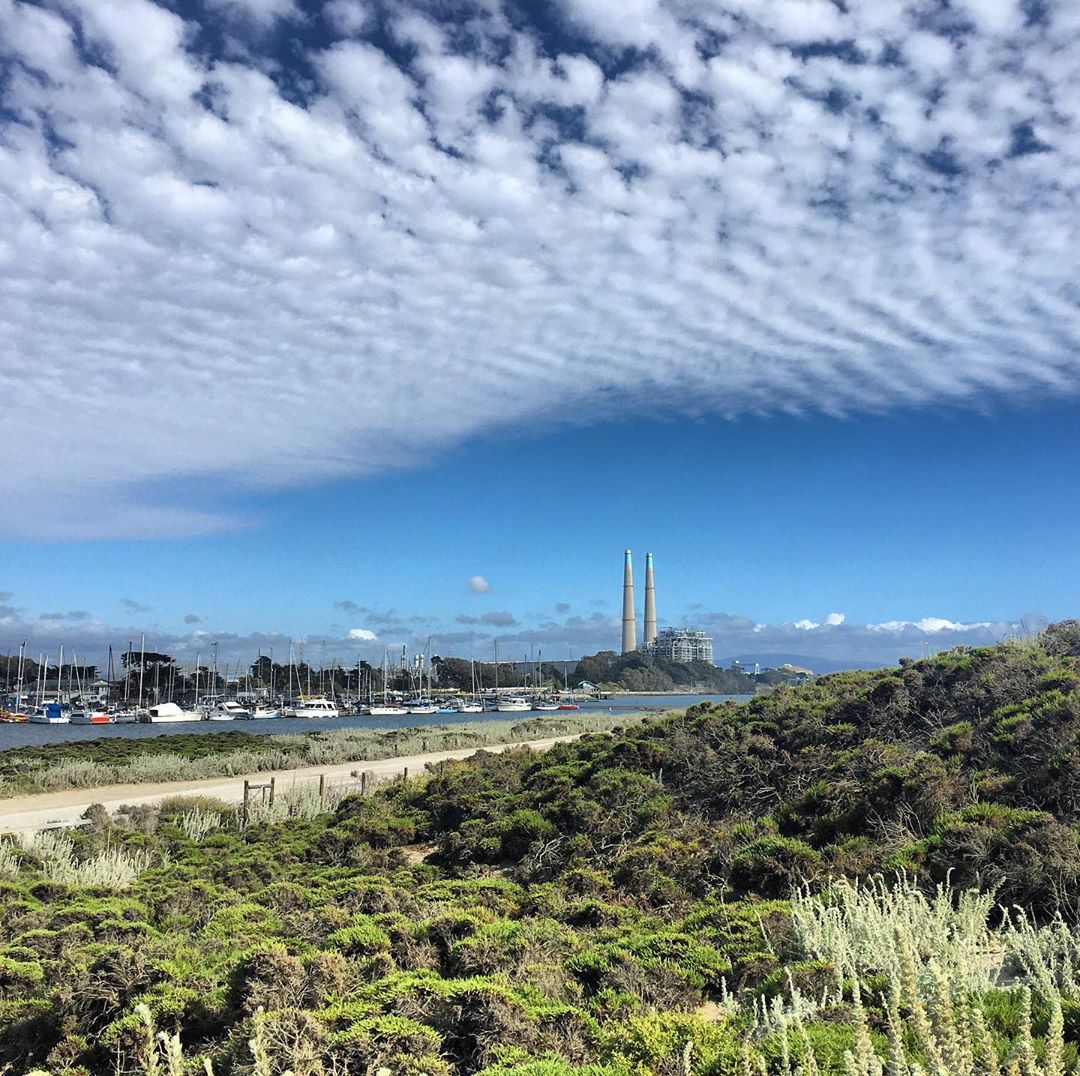
From the beginning, Monterey County has been a land of natural beauty, art, creativity and sustainability. Monterey County is the ancestral homeland of the Esselen, Salinan and Rumsen Ohlone peoples, who have stewarded this land for thousands of years—and continue to do so today—across areas including Big Sur, Carmel-by-the-Sea, Moss Landing, Carmel Valley, Monterey, Salinas and surrounding regions.
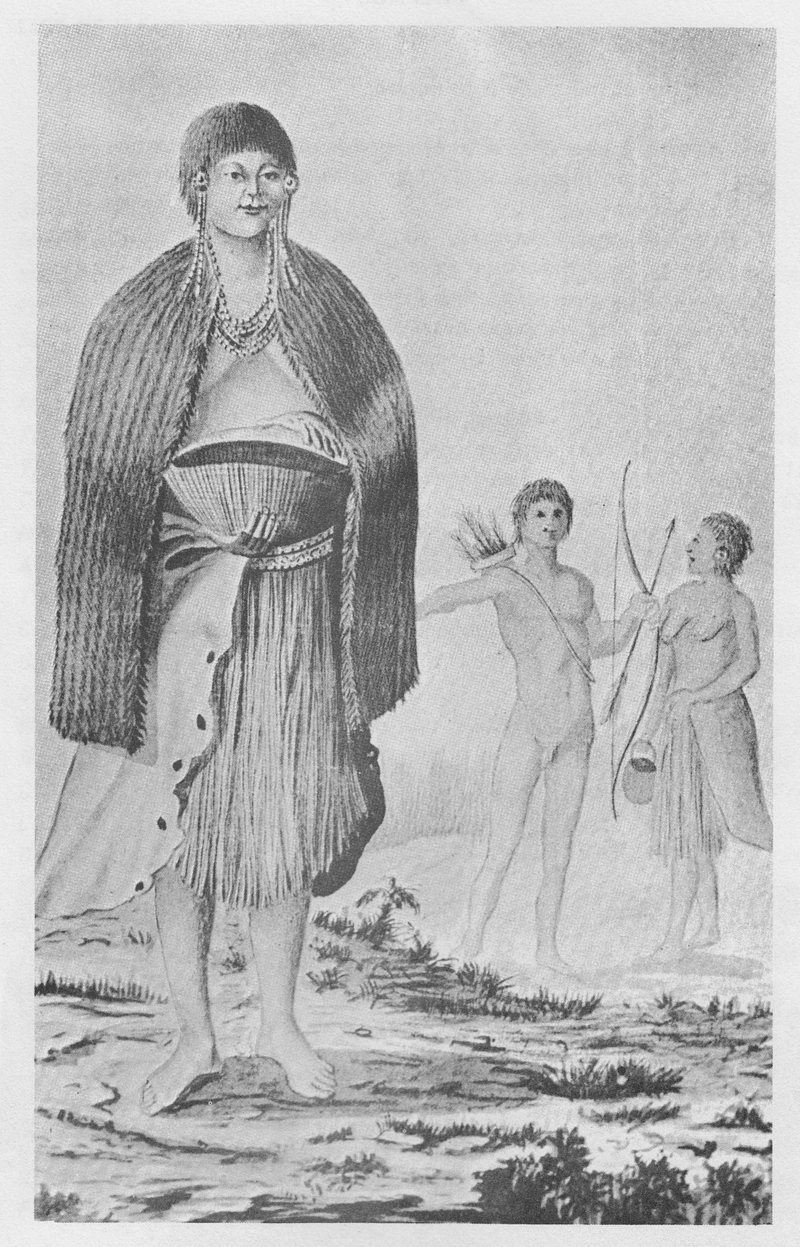
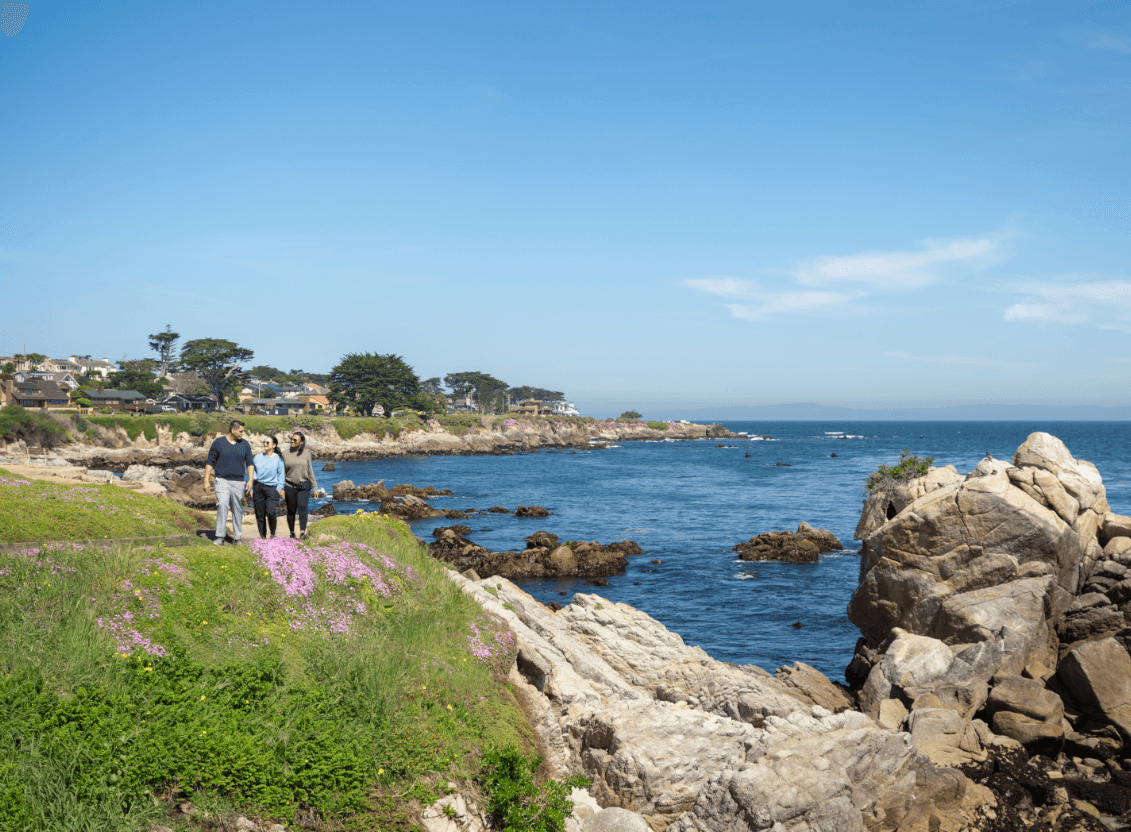
From the sea to the wildlife, the birds, the natural resources and the variety of terrain, Monterey County is a land shaped by careful stewardship, cultural knowledge and deep relationships with the natural world. Across this landscape, numerous villages were established, including Achasta—now known as Monterey—Jojopan near present-day Big Sur and Tucutnut along the Carmel River. These villages were centers of craft, storytelling and cultural exchange. Shells often had cultural, artistic and spiritual importance, with Olivella and abalone jewelry traded throughout the continent. Tule reeds from the estuaries and branches from trees would be used to make water-tight baskets and boats that were functional and beautiful.
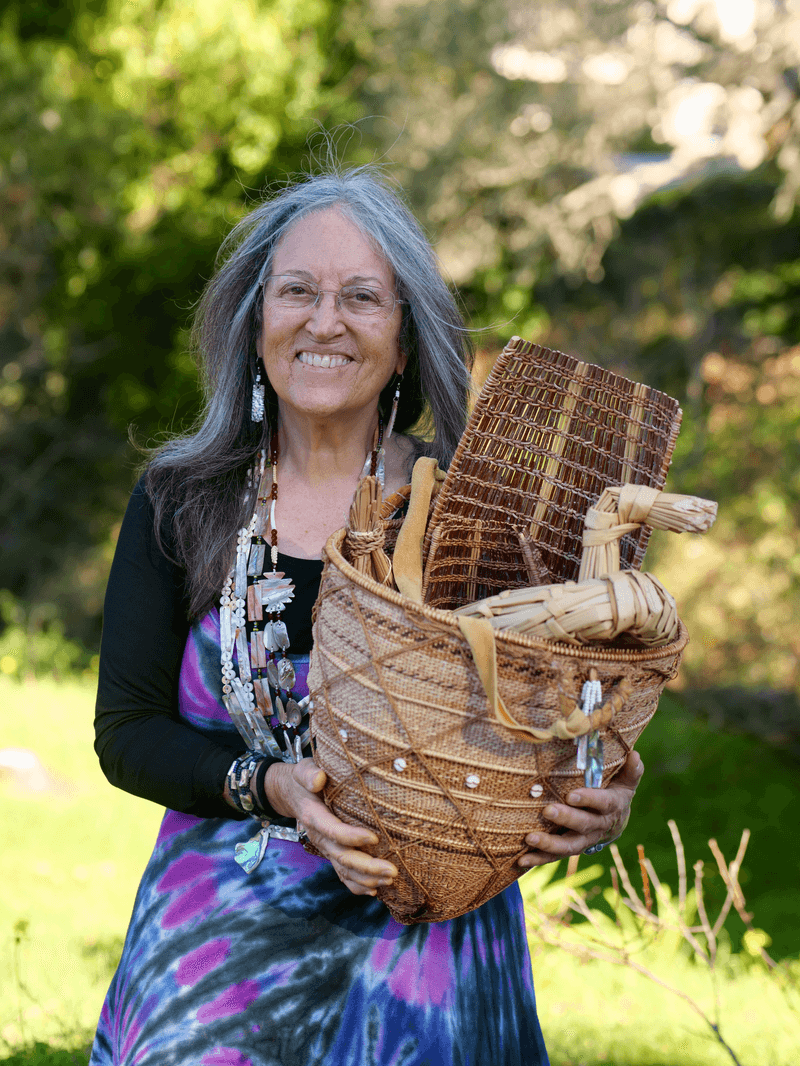
The values of sustainability, art, culture, storytelling and creativity continue to shape Monterey County today. These traditions are carried forward by individuals and communities with deep ancestral ties to the region. Linda Yamane, a Rumsen Ohlone artist and cultural practitioner, continues this legacy through her basketweaving and tule boat-building. Using materials such as Olivella beads, abalone shells and other natural elements, she creates intricate, meaningful designs grounded in cultural knowledge and practice.
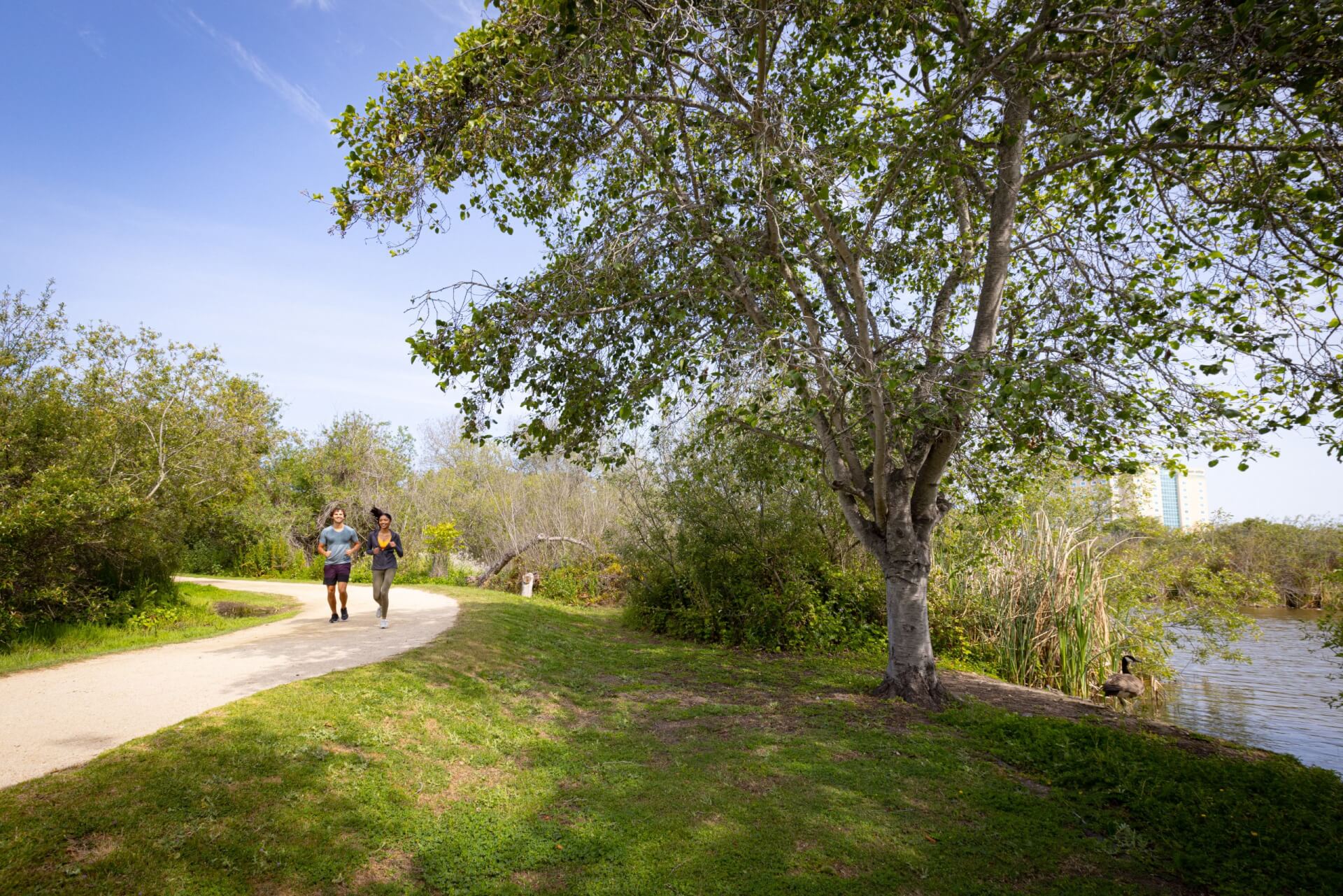
Yamane reminds us that you can visualize the estuary where the tule reeds were gathered for making canoes and baskets, which is now Lake El Estero. Del Monte Avenue was later cut into the estuary, closing it off from the sea. This estuary once extended right out to what we now call Monterey Bay and is a rich area for birdwatching and contemplation.
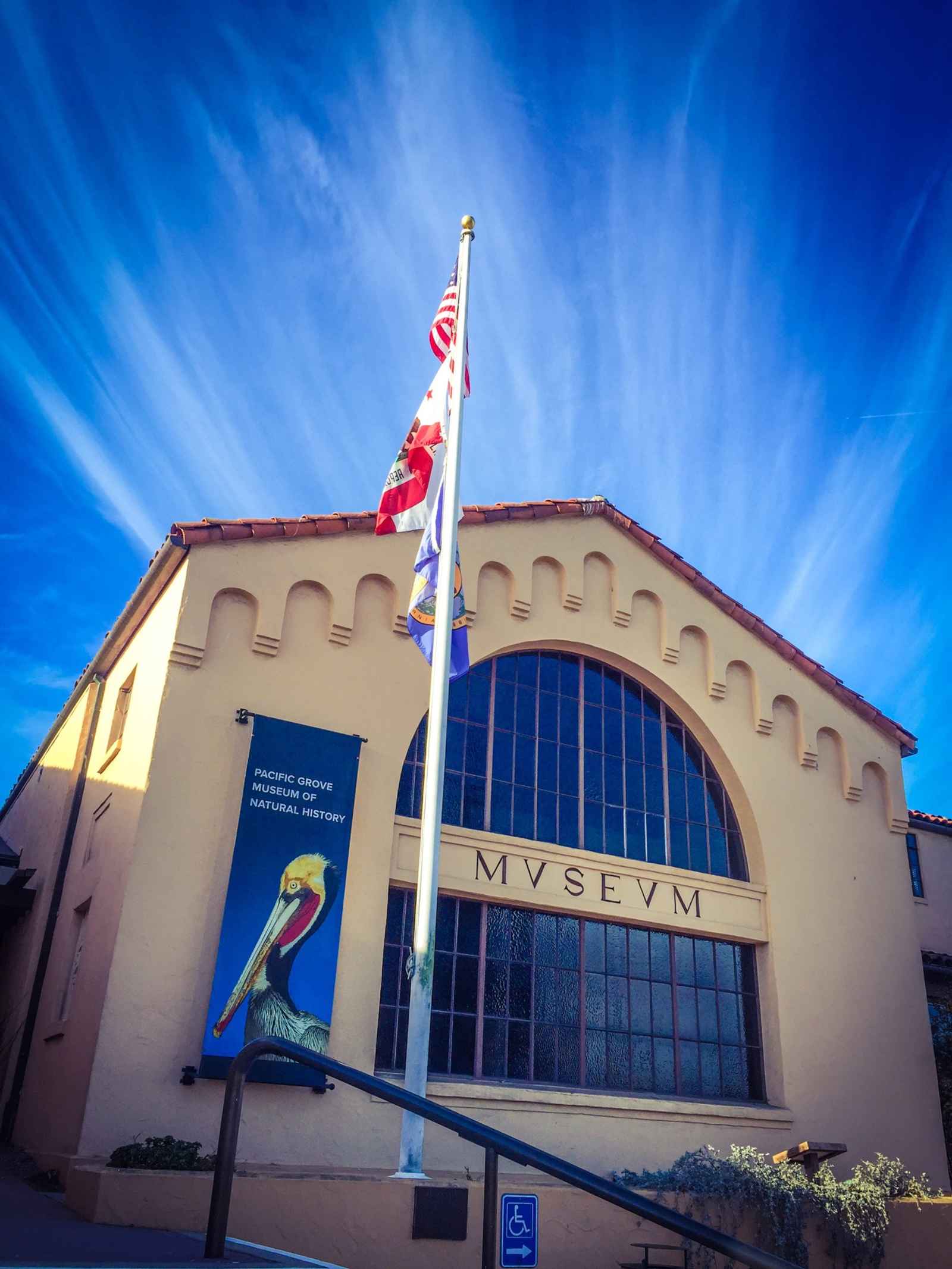
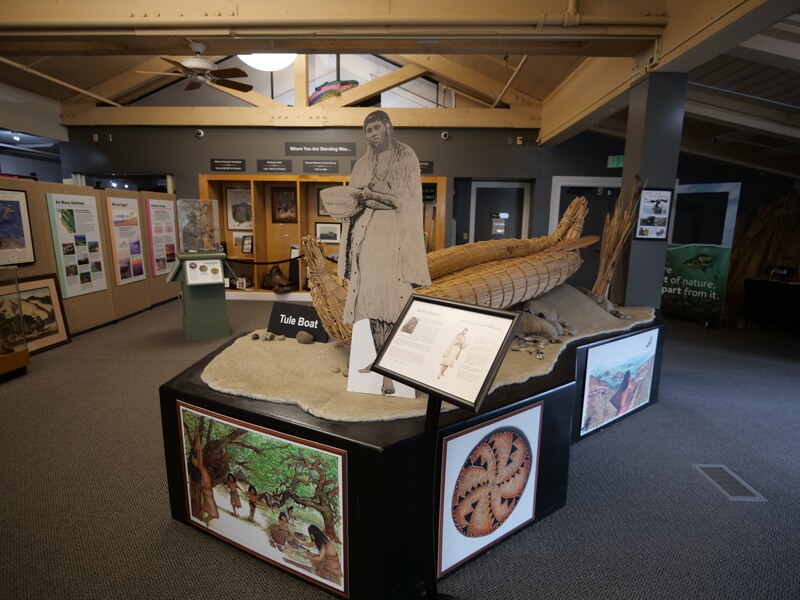
Yamane continues these traditions, using materials found and gathered from the land to create functional and decorative baskets with the same cultural significance as they had thousands of years ago. She also recommends visiting Palo Corona Regional Park and its Discovery Center to learn more about the region’s diverse habitats and wildlife. Her artwork and basketweaving can be seen at the Pacific Grove Natural History Museum, offering a deeper understanding of these living traditions.
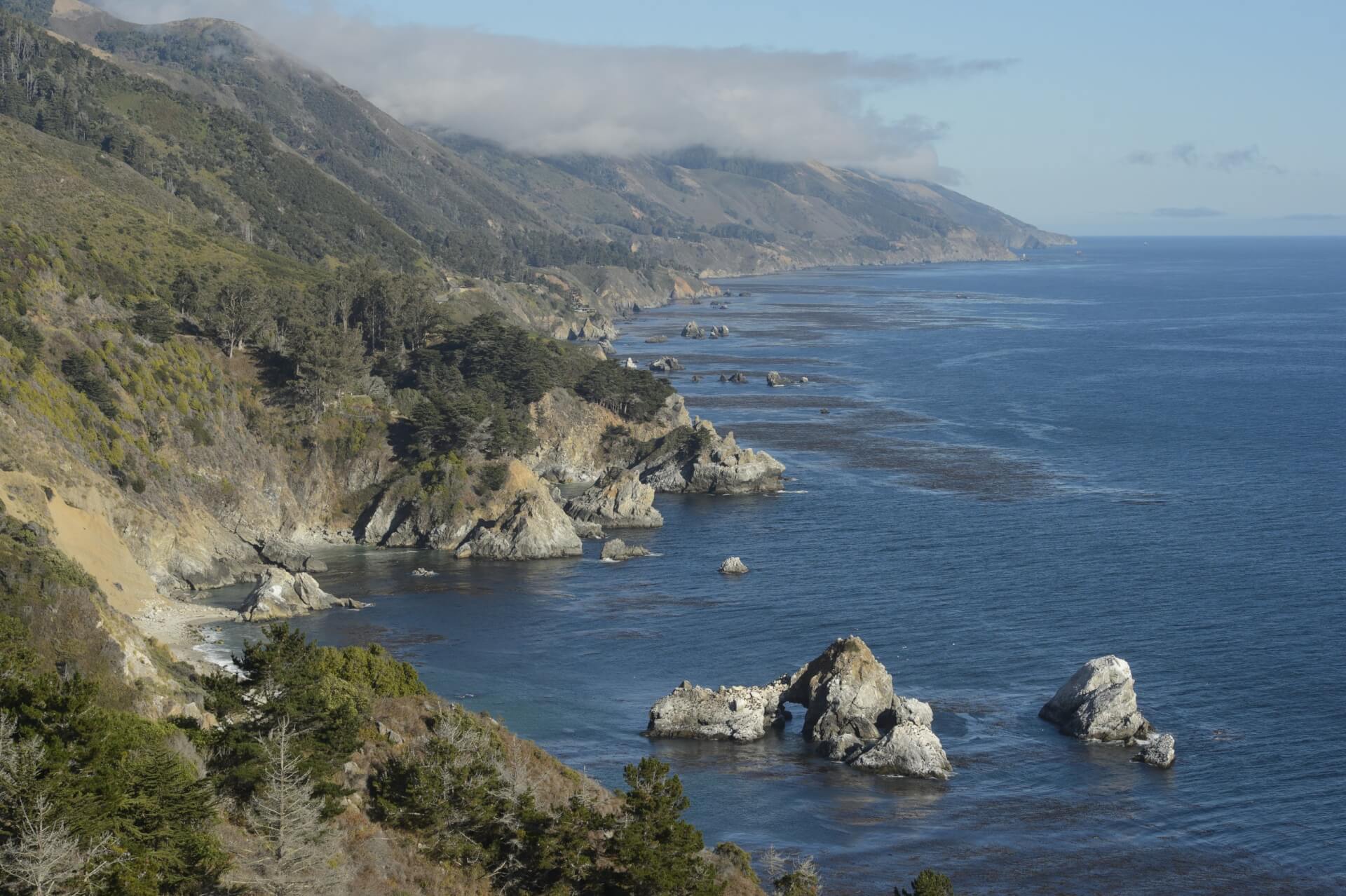
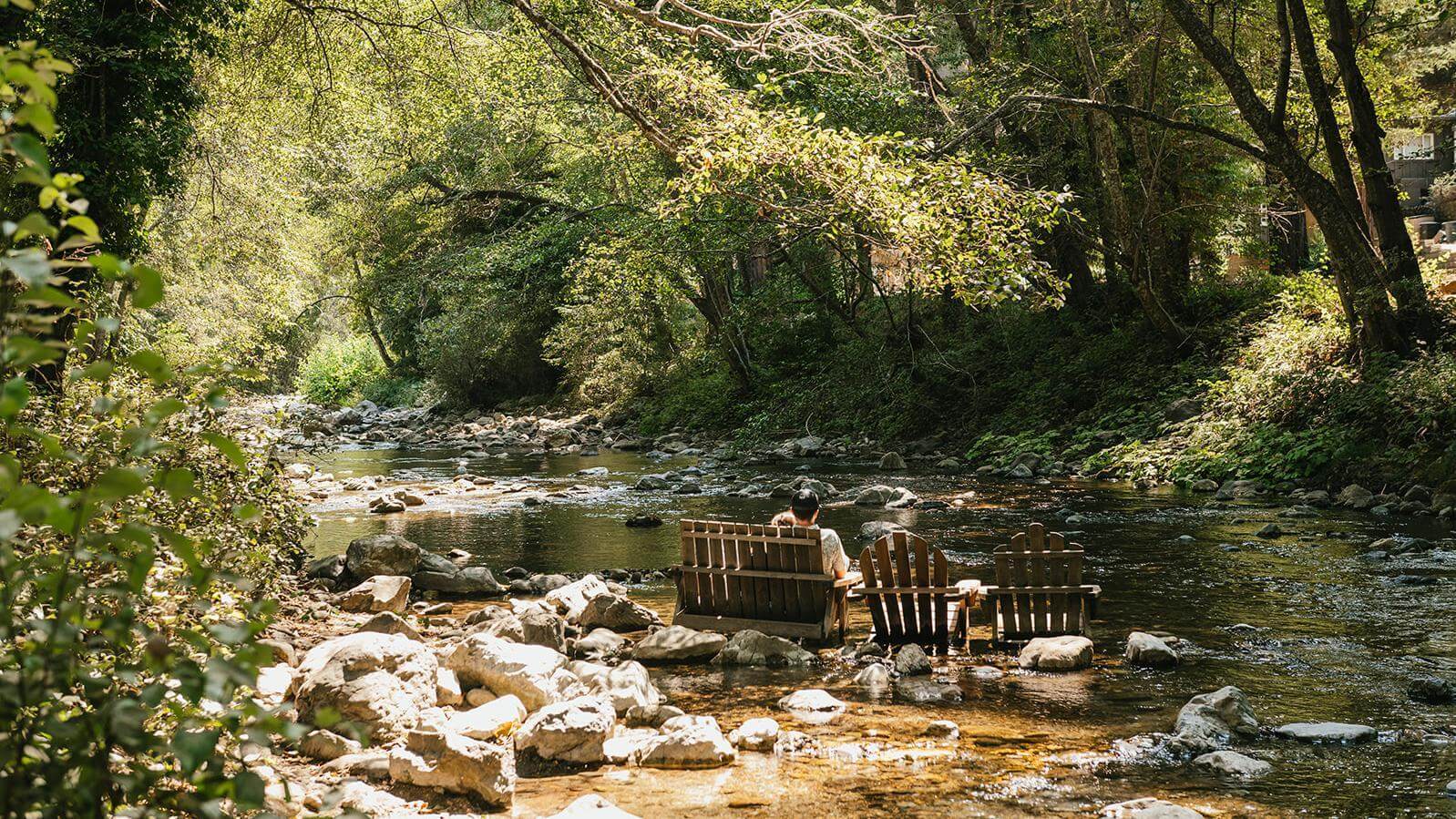
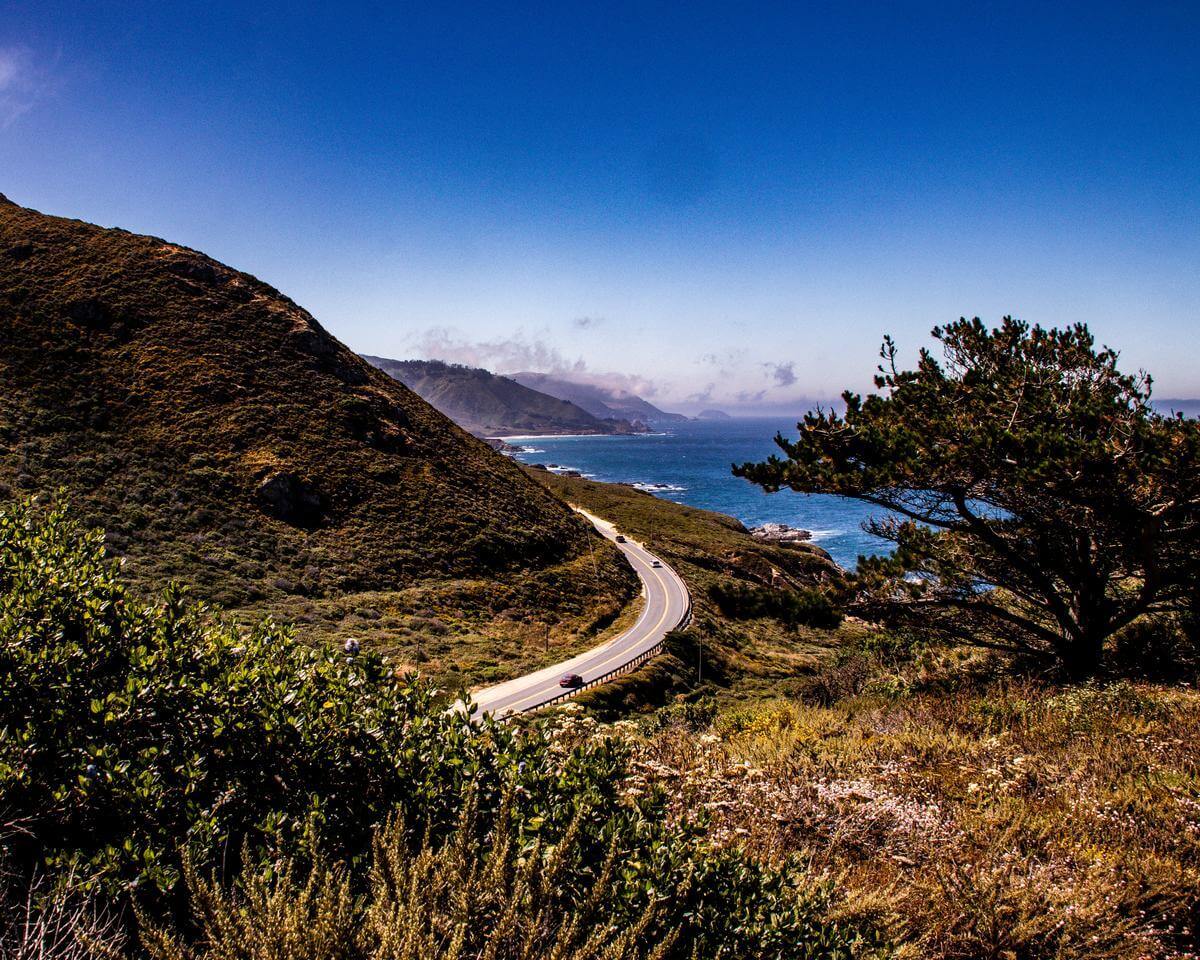
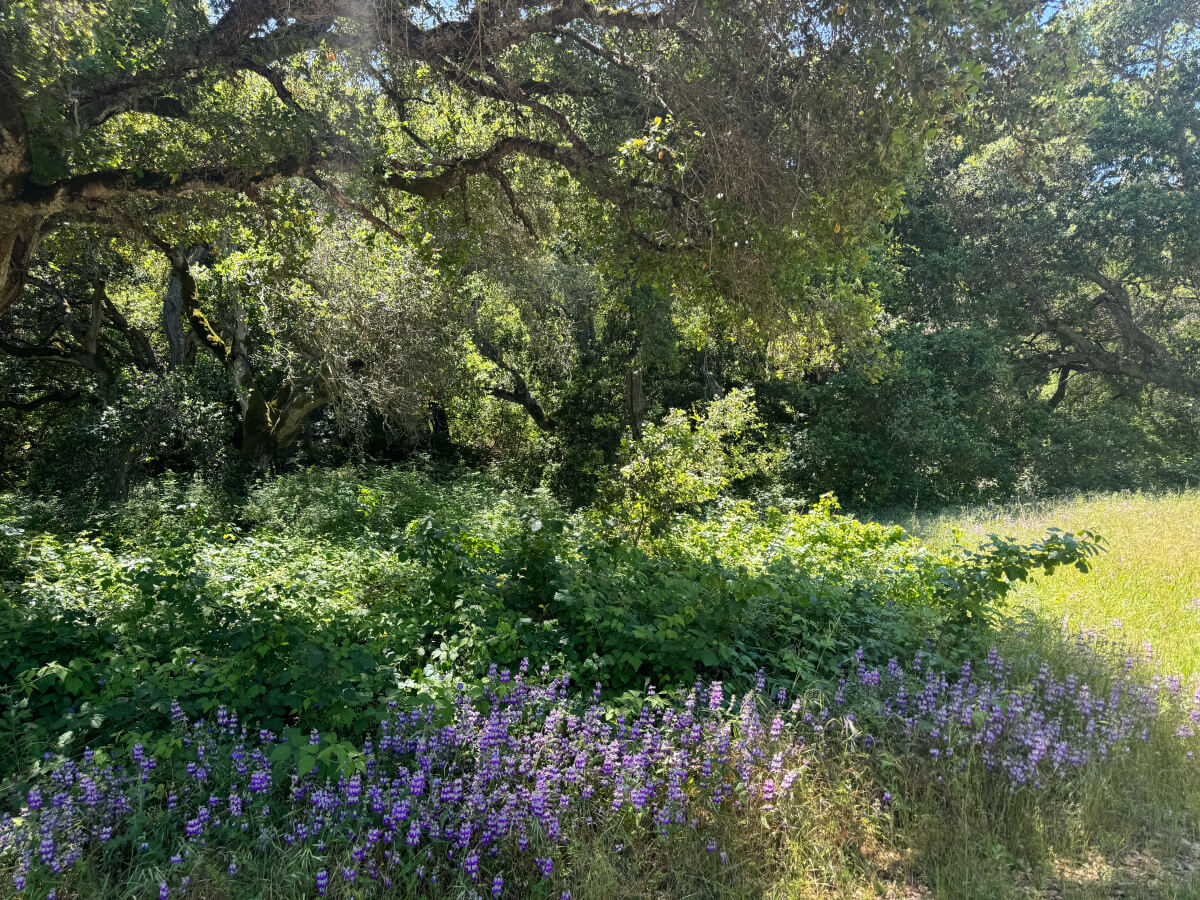
One can also gain perspective on the landscapes that have sustained Indigenous communities for thousands of years. The Ventana Wilderness, part of the ancestral lands of the Esselen people, stretches across more than 240,000 acres of rugged interior terrain along the Big Sur coast, defined by deep valleys, freshwater streams and rivers, and peaks rising more than 5,000 feet. Visitors can experience this undeveloped natural world by day hiking or backpacking into the wilderness on trails, including the popular Pine Ridge Trail in Los Padres National Forest, gaining a deeper appreciation for the scale, diversity, and ecological richness that have sustained people here. As with all natural and cultural landscapes, visitors are encouraged to tread lightly, stay on marked trails and respect the land’s significance.
Another way to experience Monterey County’s coastal landscape is from the water. Both Adventures by the Sea and Monterey Bay Kayaks offer stand-up paddleboards and kayaks along the same estuaries and shorelines that have supported life here for thousands of years. Facing away from the coastline and looking out into the water, one can better understand the perspective of the region’s Indigenous peoples, who traveled these waters in tule boats, vessels constructed from tall, sturdy reeds. This vantage point offers a powerful reminder of the deep relationship between land, sea and community that has shaped Monterey County’s history—and continues to shape the region today.
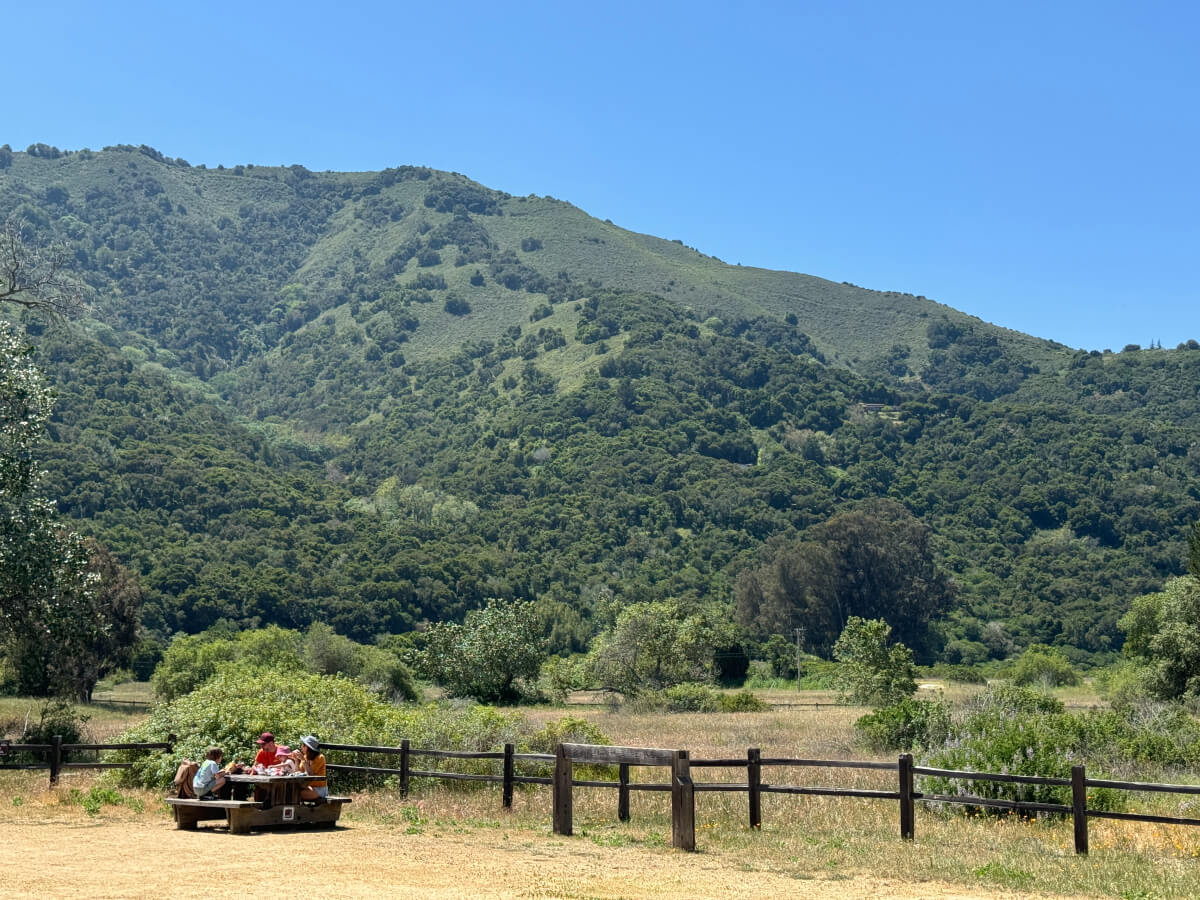
Learning about Monterey County’s Indigenous history also invites visitors to explore select cultural sites with care and respect. Carmel Valley’s Garland Ranch Regional Park features a spur trail off the Fern Trail that leads to Rumsen Grinding Rock, a large stone pocked with holes created by grinding acorns and other items. The site offers insight into daily life and sustenance practices that have supported communities for thousands of years. Visitors should respect all posted restrictions, stay on marked trails and respect the area’s significance.
Across Highway 1 from Point Lobos, Ishxenta State Park is located on San Jose Creek, which was the site of a Rumsen tribal village. Access to the park is currently limited to staff-led tours. This helps protect its cultural and ecological significance. Visitors are encouraged to check the Ishxenta State Park website for current information and tour availability.
Today, the Esselen, Rumsen Ohlone and Salinan peoples continue to live and contribute to their ancestral homelands throughout Monterey County and across California. For thousands of years, communities in this region have lived in close relationship with the land, guided by respect for its natural beauty and resources. As visitors experience Monterey County, all are encouraged to tread lightly, follow posted guidance, and honor the living cultures and landscapes that continue to shape this place.
Linda Yamane
Linda Yamane is a master Rumsen Ohlone basketweaver and linguist, and tribal scholar who led the revitalization of the art, beginning her work in 1994.