



Interview with
Dr. Susan Shillinglaw, Author, Professor & Steinbeck Scholar
Inspired by America 250, Monterey 1000 broadens the lens to recognize histories that long predate the founding of the United States. Over the coming year, this ongoing series will explore those stories, starting with some of the earliest chapters and connecting them to what makes the destination distinctive today.
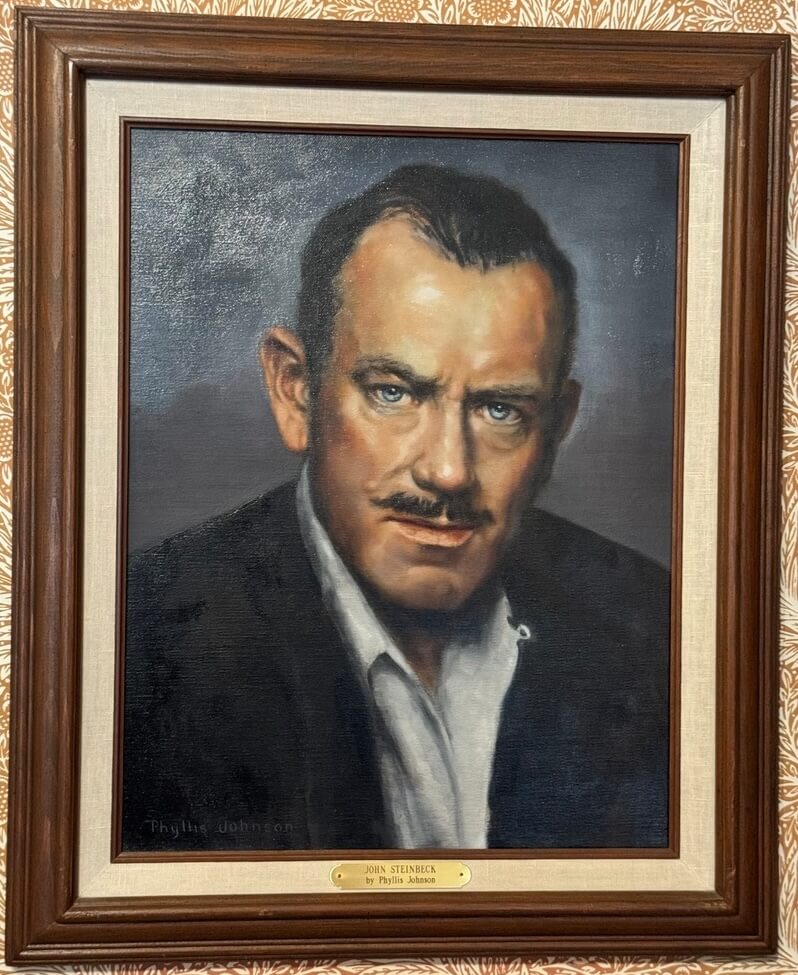
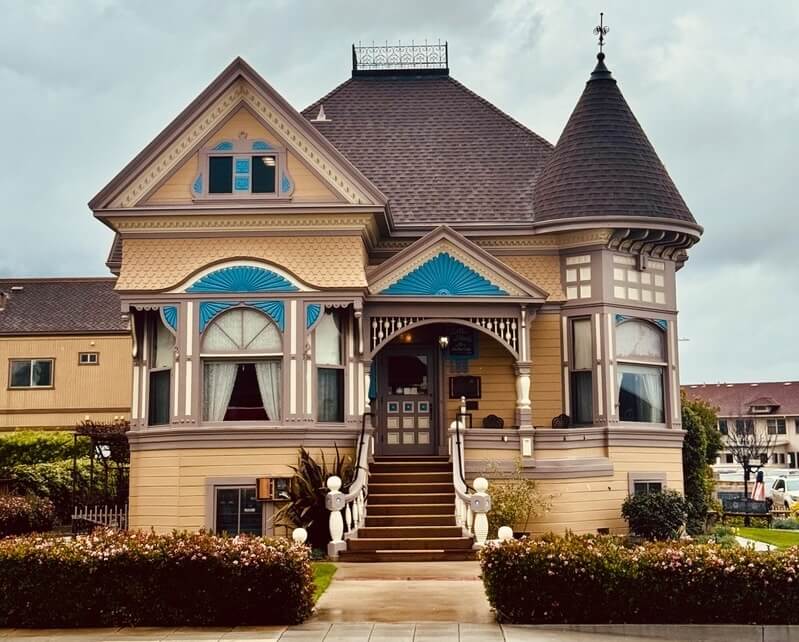
Across Monterey County, you can still see and experience the imprint of author John Steinbeck. The Nobel and Pulitzer Prize winner still fascinates and inspires readers with novels, film and stage productions that resonate today. Born at his family home in 1902, Steinbeck spent his youth in Salinas until he left for college at Stanford in 1919. As Susan Shillinglaw states about why his work still resonates, “the stories of ordinary people who struggle in their lives are what he taps into, and that he doesn’t make them heroic; but he sees them in their complexity and suffering and dreaming and the yearning to have more.” Today, the Victorian Steinbeck House in Salinas, where the author was born and raised, is open as a restaurant and bookstore. The site is one of many where you can connect with the author who embraced the people, landscapes and cultures of a truly magnificent Monterey County.
Steinbeck reached critical acclaim during his lifetime, but he was initially living on a meager wage, trying to find his way as an author. After leaving college at Stanford without a degree during the Great Depression, Steinbeck moved into the family cottage in Pacific Grove with his first wife, Carol. It was here that some of his greatest works came to fruition, and Steinbeck met friends and characters in Monterey, Carmel and Pacific Grove that inspired future works. The wanderlust, the ecology of natural people, and the connection with the spirit of place still resonate in Monterey County today.
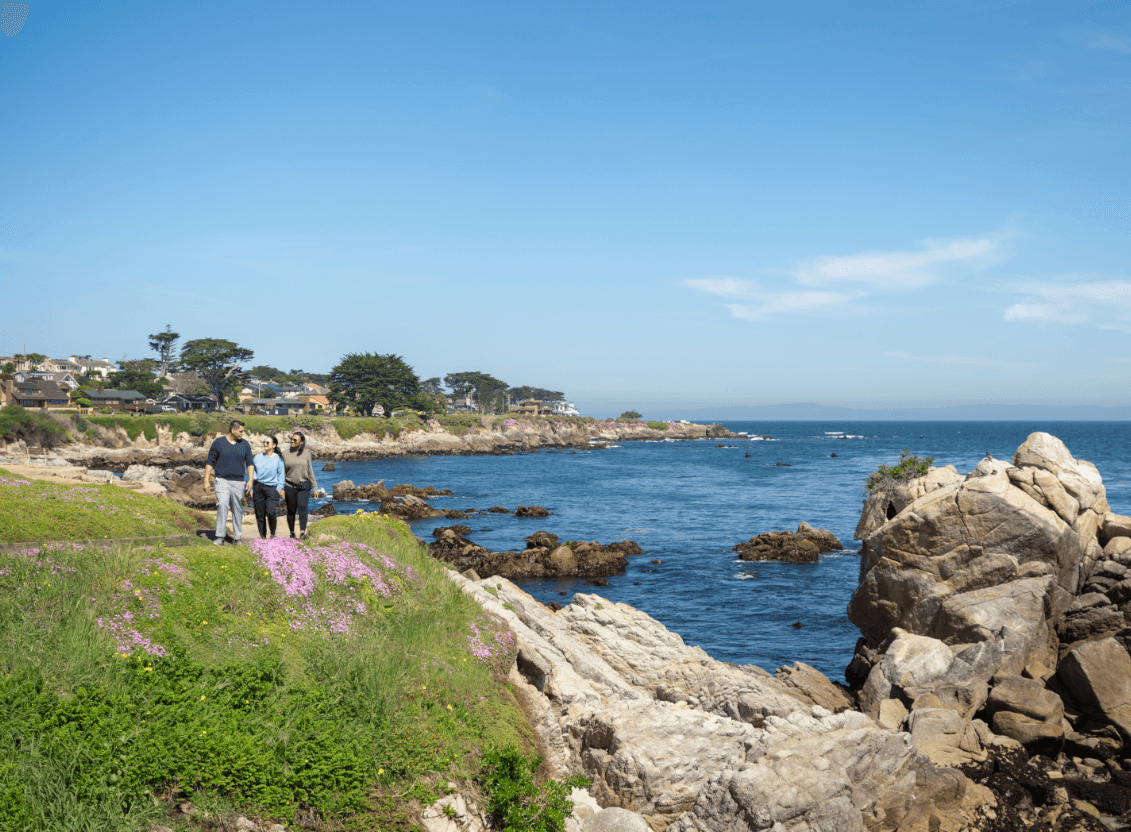
The book Cannery Row is centered on the fictional character “Doc”, but in real life, that person was Ed Ricketts of the Pacific Biological Laboratories. Rickett's business was in the tides, collecting and preparing marine specimens for schools at the Pacific Biological Laboratories, but his work in Between Pacific Tides can be seen in the intertidal ecology at the Monterey Bay Aquarium today. The nearby Great Tide Pool in Pacific Grove was a favorite for Steinbeck and Ricketts - within the tidepools, one can find endless inspiration. As Steinbeck says in Sea of Cortez, “it is advisable to look from the tide pool to the stars and then back to the tide pool again.”
The connection between Ricketts and Steinbeck still resonates with a sense of place in Monterey, with the Pacific Biological Laboratories on Ocean View Avenue becoming a center for bohemians, artists, musicians, poets, authors and others to gather, alongside scientific innovation.
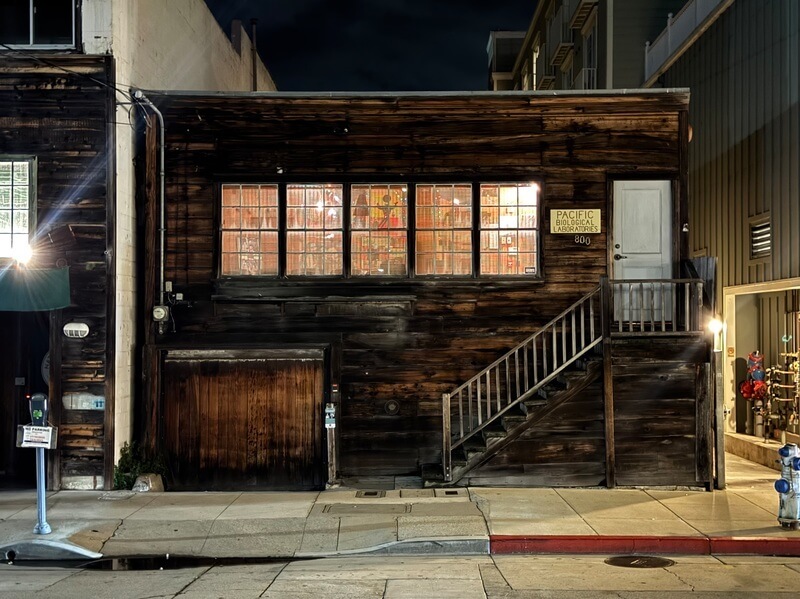
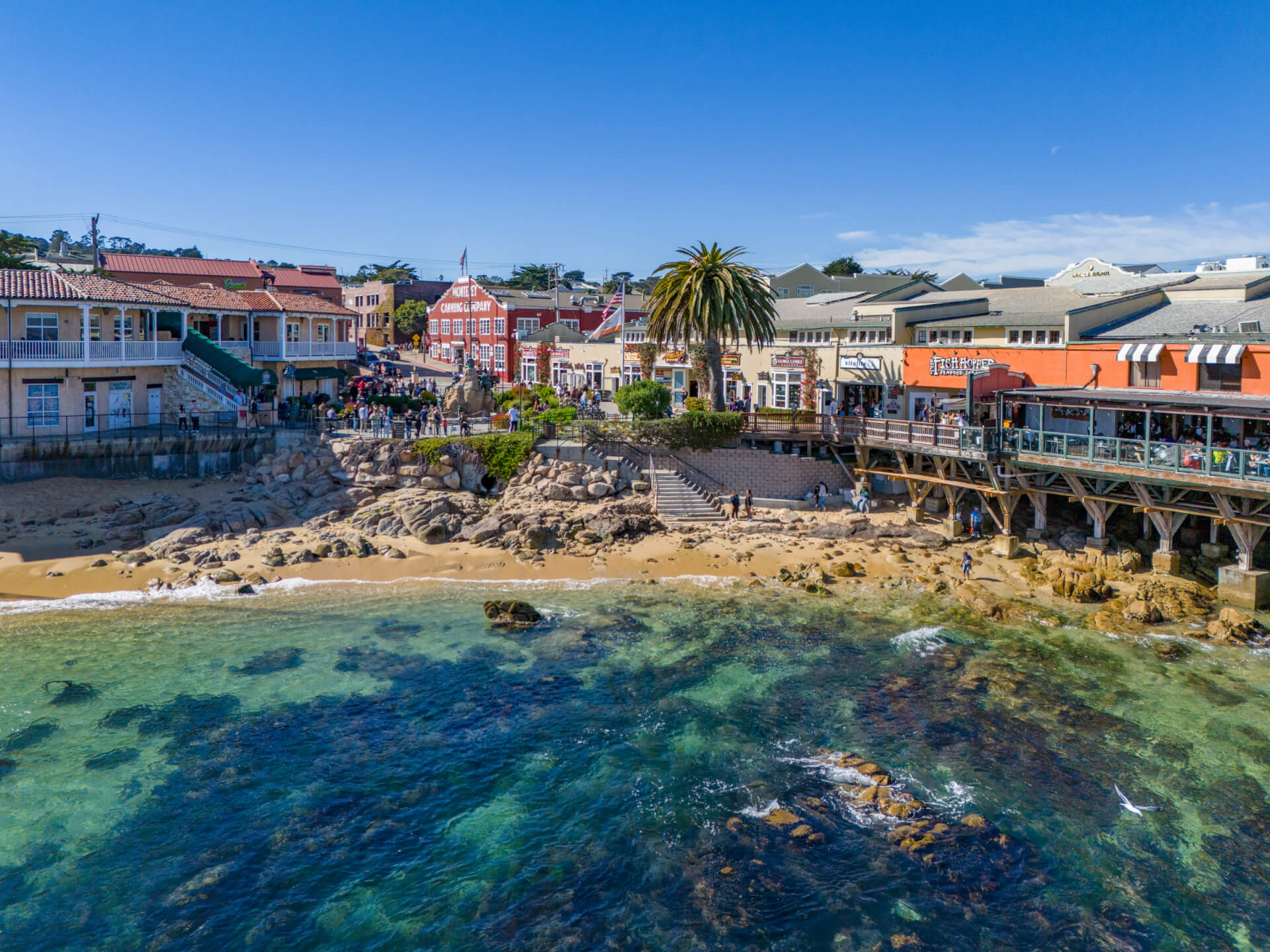
The Pacific Biological Laboratories is operated by the City of Monterey for limited private and public tours. Ocean View Avenue was later renamed Cannery Row in 1958 after the novel, and the area was revitalized after the crash of the sardine industry.
The life of the author intersected with the fictional stories that you read today, with his early life working as a farm laborer in the Salinas Valley and at the Spreckles Sugar Factory, leading to stories that connected deeply with audiences. In 1937, Of Mice and Men was released, helping to cement the author as a writer who reflected on the lives and hardships of the working class.
The popularity of Grapes of Wrath in 1939 was met with controversy and book burning. From the public attention and scrutiny he received from these two novels, Steinbeck left with his best friend Ricketts and crew of the chartered Western Flyer in 1940 from Monterey to sail to the Sea of Cortez in Baja California. The trip combined the scientific and literary expertise of the two friends into books that blended marine biology with the travelogue of adventure: Sea of Cortez and, later, The Log from the Sea of Cortez. After a long life and many adventures, including being fully submerged in Washington, the Western Flyer has been restored and turned into a vessel that once again combines the spirit of Ricketts and Steinbeck.
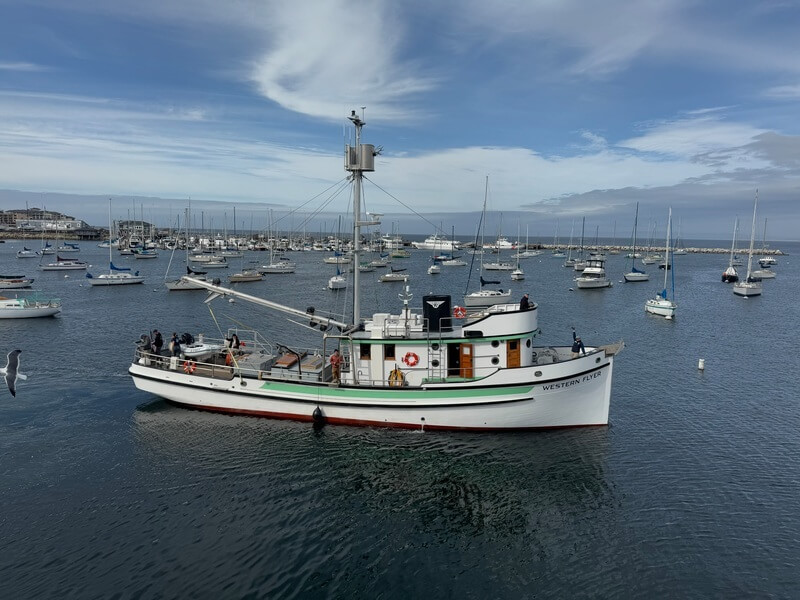
Inspiration abounds throughout Monterey County in Steinbeck’s works. East of Eden was Steinbeck’s tribute to his family history in Salinas and the Salinas Valley down to King City. Visit the Monterey County Agricultural and Rural Life Museum in King City to reflect on the real East of Eden. Steinbeck and Ricketts were both inspired by Carmel Poet Robinson Jeffers, and Jeffers’ Tor House still stands as a literary monument where you can be inspired by the poetry and beauty of the region in Carmel.
Visit the National Steinbeck Center in Salinas to learn more about the life and influence of the author. Later in life, Steinbeck drove his 1960 GMC truck, which he called “Rocinante,” with his French poodle, “Charley,” from New York to California to reconnect with regular people across America. Steinbeck said farewell to the Salinas Valley from Fremont Peak during this trip, with stunning views of the Monterey Peninsula and the Salinas Valley. The journey was turned into Travels with Charley, and the truck can be seen inside the National Steinbeck Center. As Shillinglaw says about Steinbeck, “he captures those moments of human experiences.”
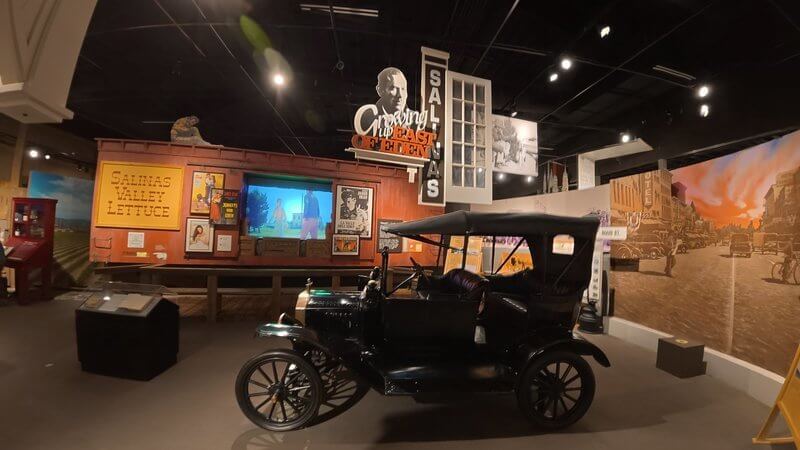
Steinbeck won the Pulitzer Prize in 1940 for the portrayal of Dust Bowl migrants in Grapes of Wrath and the Nobel Prize for Literature in 1962 for his broad body of work that combined imagination, realism, humor and social perception.
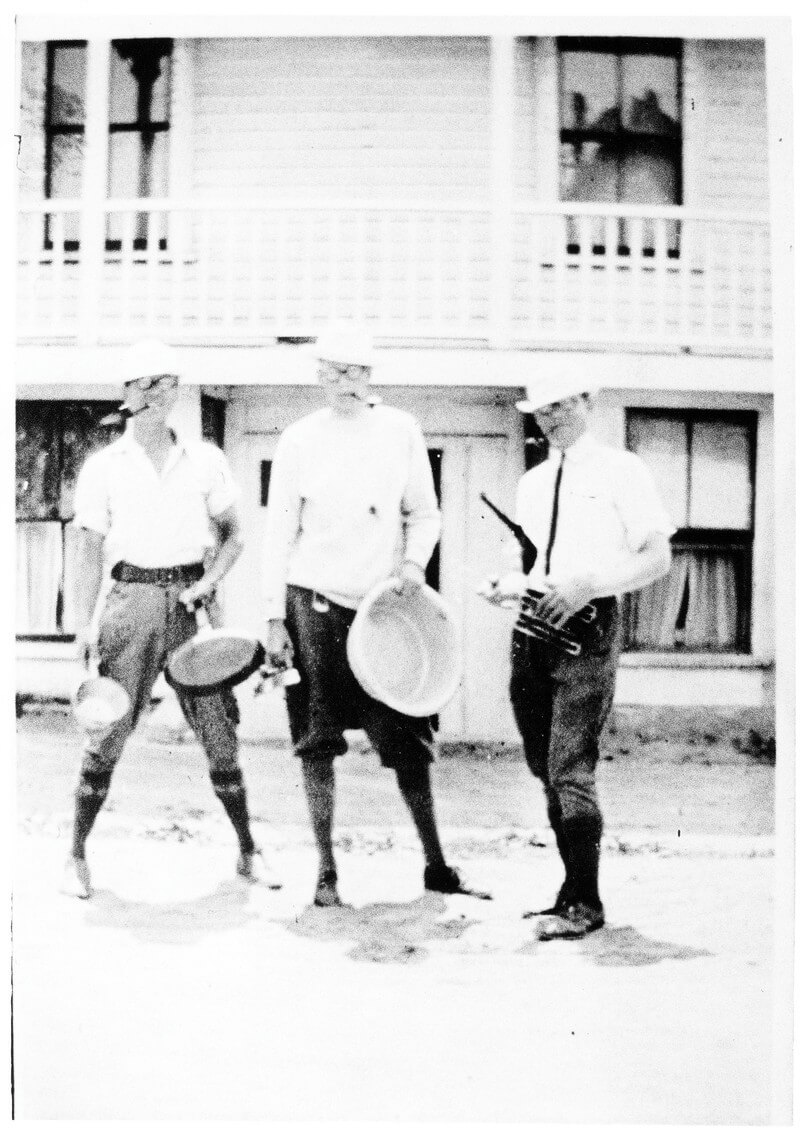
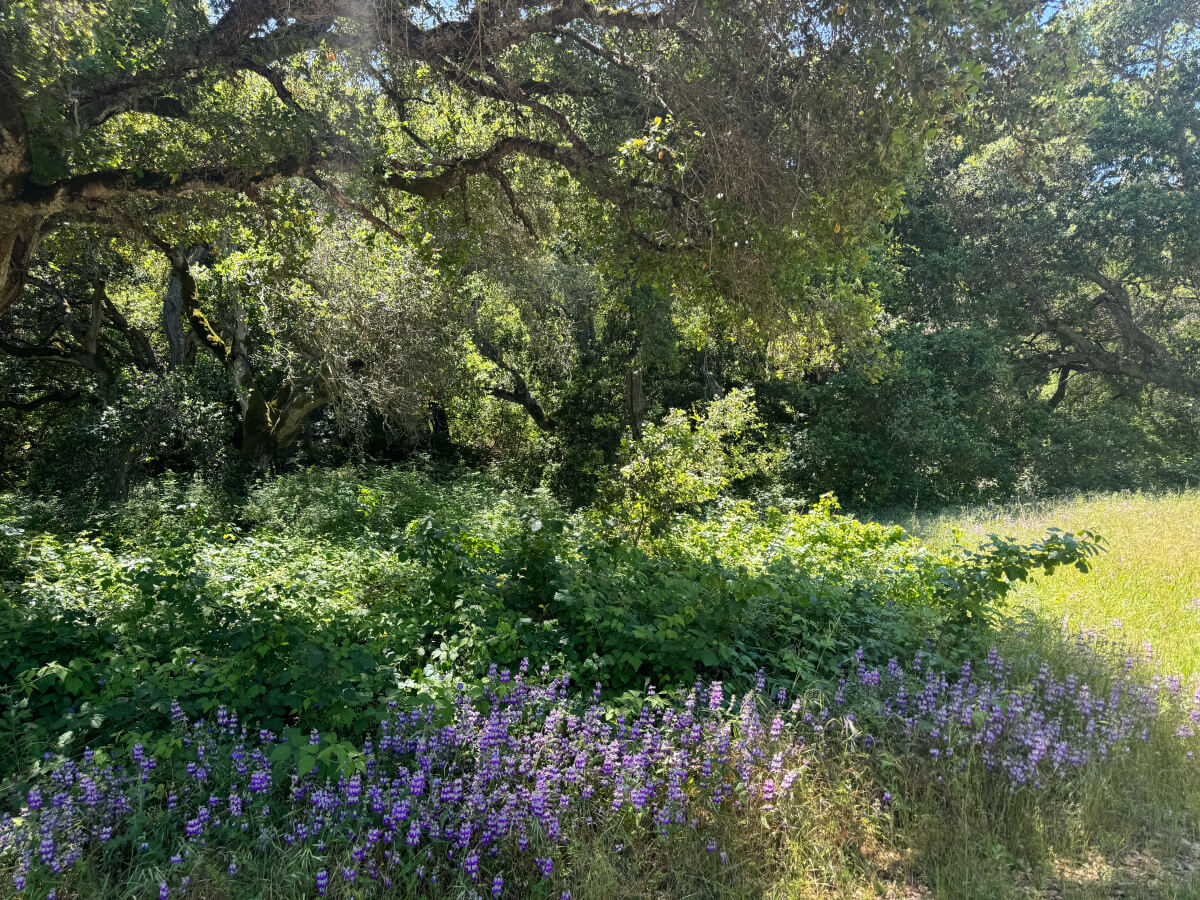
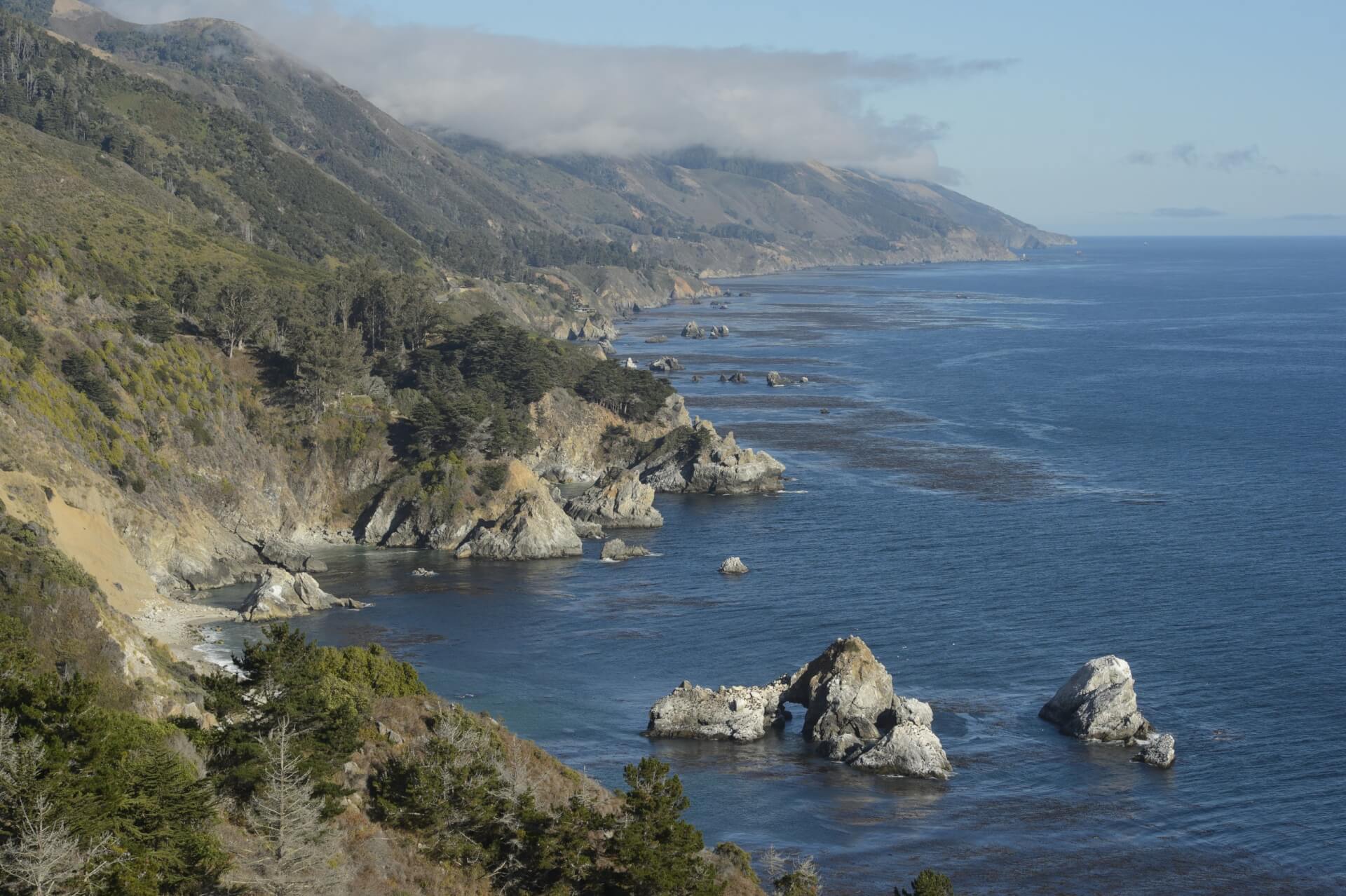
Shillinglaw believes that Steinbeck saw Monterey County as something where he could write with a unique perspective about the region; as she states, “he wanted to make Central California his terrain…the people, the landscapes, the flora and fauna, the history, the culture, all of it.” Although much has changed throughout Monterey County since Steinbeck first published his novels nearly 100 years ago, you can still experience the culture, the people, the landscapes and agricultural areas that inspired him.
“[Steinbeck] wanted to make Central California his terrain…the people, the landscapes, the flora and fauna, the history, the culture, all of it.”
- Susan Shillinglaw
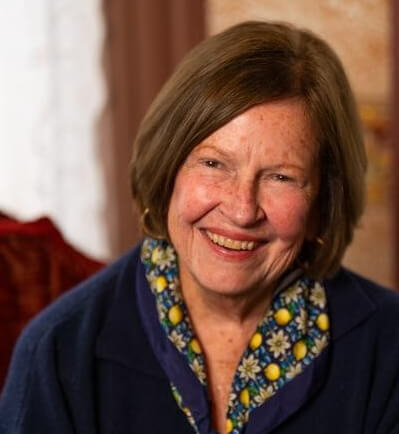
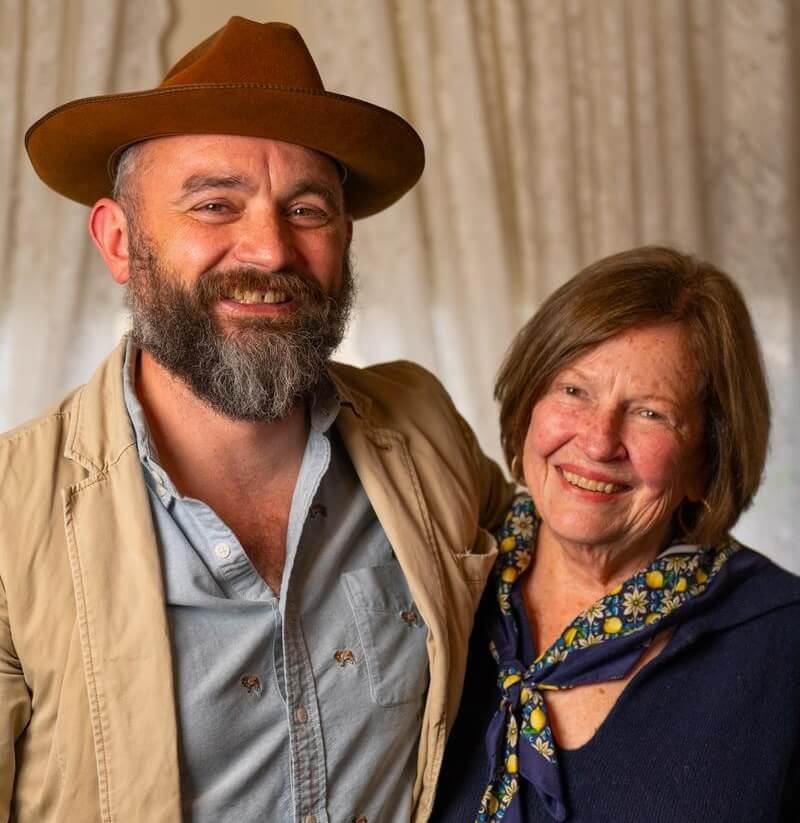
Susan Shillinglaw
Susan Shillinglaw has spent a career studying Steinbeck and sharing her work with students at San Jose State University. She was the director of the Steinbeck Center, and her latest book, Steinbeck’s Uneasy America: Rereading “Travels with Charley,” is a scholarly look at the author who blended fiction with nonfiction.