




Inspired by America 250, Monterey 1000 broadens the lens to recognize histories that long predate the founding of the United States. Over the coming year, this ongoing series will explore those stories, starting with some of the earliest chapters and connecting them to what makes the destination distinctive today.
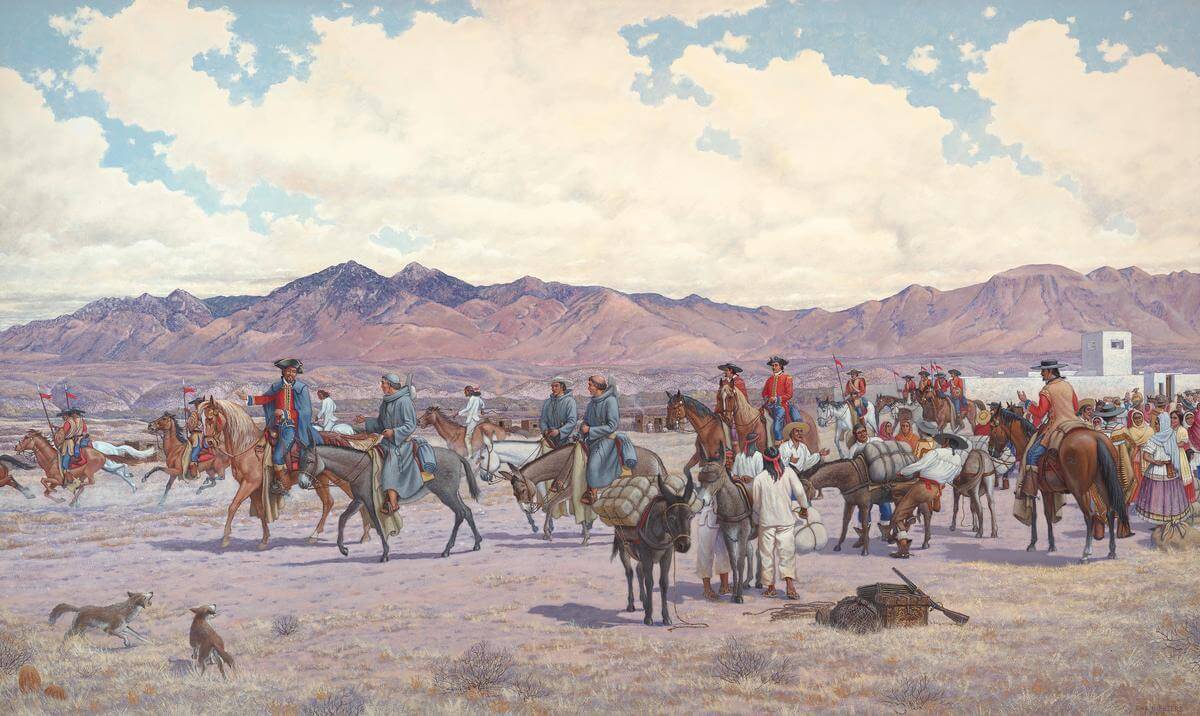
Nearly 500 years ago, Europeans first explored Monterey Bay. The journey was but one chapter in the story of the Spanish and Portuguese conquistadors who had taken over the Americas. Although the lands were already inhabited in Central America by the Mayans and Aztecs, and in North America by indigenous tribes, these conquistadors sought land, riches and trade routes to Asia and the Indies. The violent conquests and the “encomienda” system changed the continent's future.
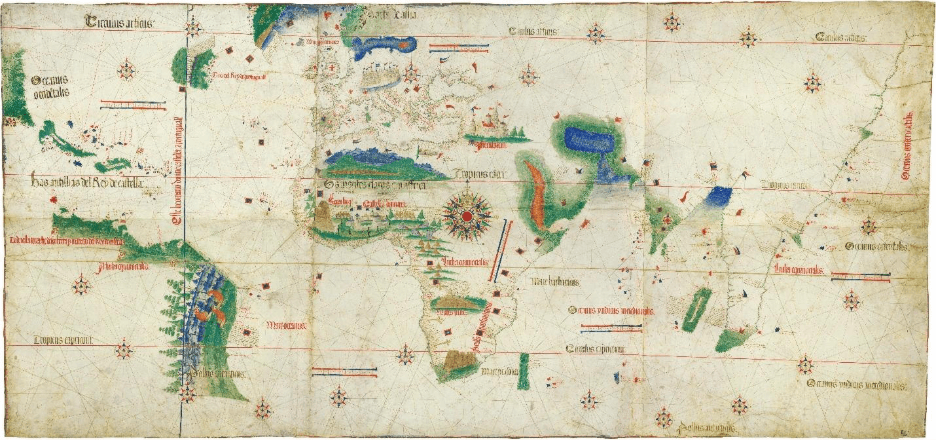
Following Columbus's expeditions into the Caribbean, numerous Portuguese and Spanish explorers began sailing west. The encomienda system gave conquistadors vast wealth, granting them indigenous labor and tribute in exchange for providing protection and forcing a Christian education on indigenous peoples. The Spanish and Portuguese empires signed the Treaty of Tordesillas in 1494 and, in 1506, adopted it with the signature of Pope Julius II, dividing the lands between 370 leagues west of the Cape Verde Islands in Africa and 370 leagues east of them, with Spain taking the west and Portugal the east. The effects of the treaty led to the Spanish language spreading throughout much of Central and South America, while Portuguese flourished in Brazil.
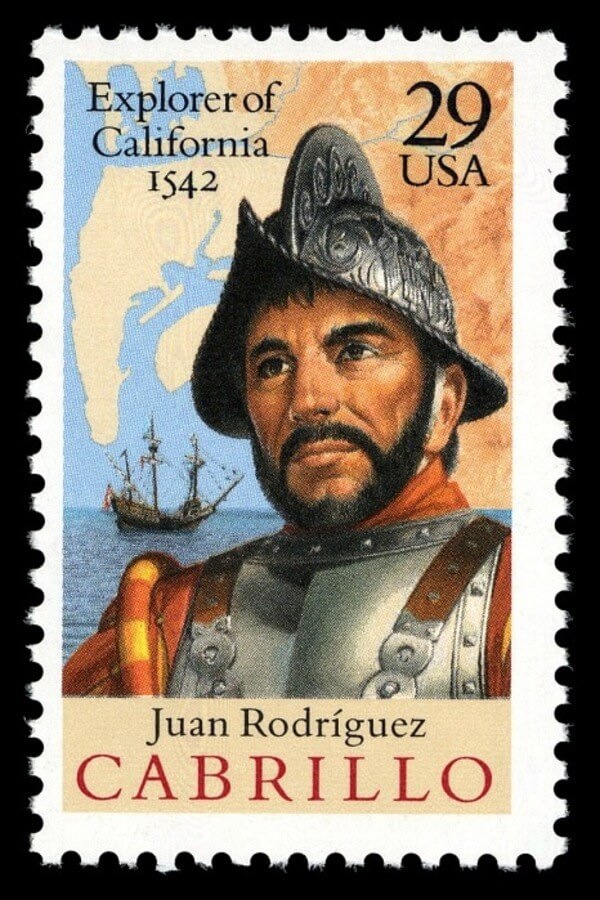
Beginning in 1519, crossbowman Juan Rodríguez Cabrillo served under conquistadors Hernán Cortés, Panfilo de Narváez and Pedro de Alvarado through Cuba, Mexico and Central America. In 1522, Cabrillo joined Alvarado in the conquest of Guatemala and the further expansion of New Spain. As Captain under the new adelantado (governor), Alvarado in Guatemala, Cabrillo was given several encomiendas for his role as a conquistador and shipbuilder. In Acajutla, El Salvador, Cabrillo built many ships for New Spain, and three of them, San Salvador, San Miguel and Victoria, were eventually destined for California. Legends of the Seven Cities of Cibola, search for the Strait of Anián, and a fictional story of the mythical island of California further inspired New Spain to explore. Most of the ships built were destined for the Philippines or sailing to South America.
By 1541, Governor Alvarado was hated by the Mixtec, Aztec and Mayan for his brutality and thirst for gold tribute. Antonio de Mendoza, Viceroy of New Spain and Governor Alvarado planned expeditions up north through the coast of California and west across the Pacific with Cabrillo’s fleet. Mendoza and Alvarado sought a route to what they thought would be the riches of Asia from Mexico. Ruy Lopez de Villalobos was chosen to lead the majority of Cabrillo’s fleet west across the Pacific Ocean.
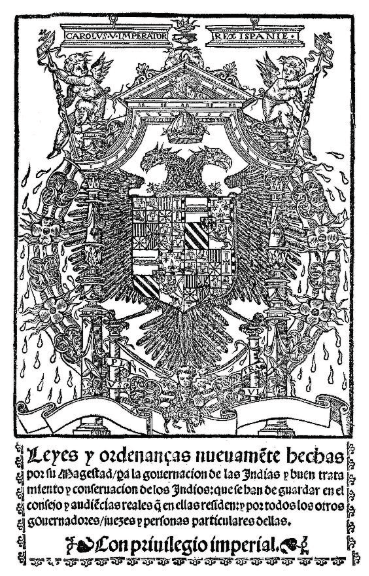
Prior to the journey north, Alvarado and Cabrillo's fortunes changed. Alvarado left for Mexico to help quell an indigenous uprising, but was killed during a battle when his horse fell on him. Soon after, his wife, Beatriz de la Cueva, was appointed as Governor in his place in Santiago, Guatemala. Mere days later, tragedy struck for de la Cueva when lightning struck, an earthquake rattled, and a mudslide within the volcano at Santiago collapsed the city and the Governor’s palace. Cabrillo wrote the official report notifying New Spain and the Spanish government of the losses. In 1542, the Leyes Nuevas, or “New Laws,” of King Charles of Spain sought to end the forced labor and land grants of the encomienda system by the brutal conquistadors. The New Laws required payment for labor, and the indigenous peoples were to be free subjects of the crown.
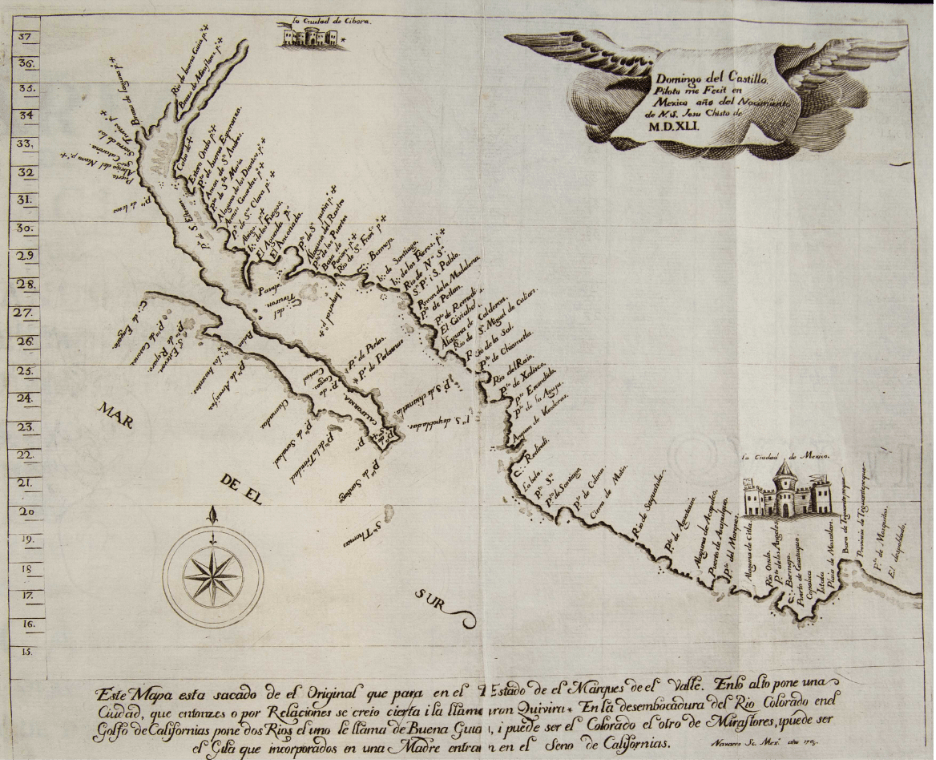
Unpaid debts to Alvarado for building the fleet and the loss of his home in the Santiago collapse led Cabrillo to lead the journey to an unknown region to recoup his losses. The New Laws also affected Cabrillo, with many of his encomiendas seized by a new Governor. Leading one of his own ships, the expedition would have given Cabrillo the potential for a return of the riches he had recently lost. Perhaps 200 people joined Cabrillo on the journey to California on the three ships San Salvador, San Miguel and Victoria. Viceroy Mendoza hoped that the explorers would find a route to China sailing north, or the Strait of Anian that would connect the Atlantic and Pacific. Cabrillo and his crew left on June 27, 1542; sailing North was challenging and nearly impossible at times. Catching an early wind, the ships sailed 100 miles north only to be stuck in Baja, California. The crews waited days at a time to try to catch the winds sailing north. On board the ships were supplies for trading with new populations or, if they were to reach China, for trade with China.
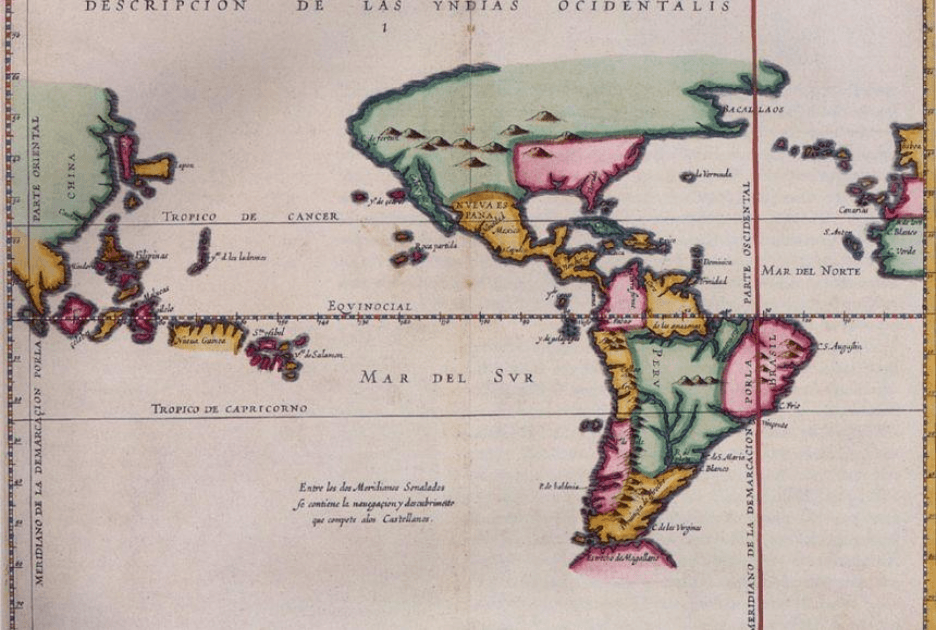
Cabrillo was instructed to find harbors suitable for establishing new ports or cities and to claim them for New Spain. European explorers each had their own method of claiming lands, with Portuguese explorers installing stone pillars and Spanish explorers erecting a cross and holding mass. The first site claimed was La Posesion, at San Quintin Bay in Baja, and soon after was San Miguel, which was eventually renamed San Diego in 1602 by Sebastian Vizcaino. Along the route, Cabrillo landed and traded with the indigenous Kumeyaay and Chumash populations.
Exploring “la bahía de los Pinos”, Later Monterey Bay
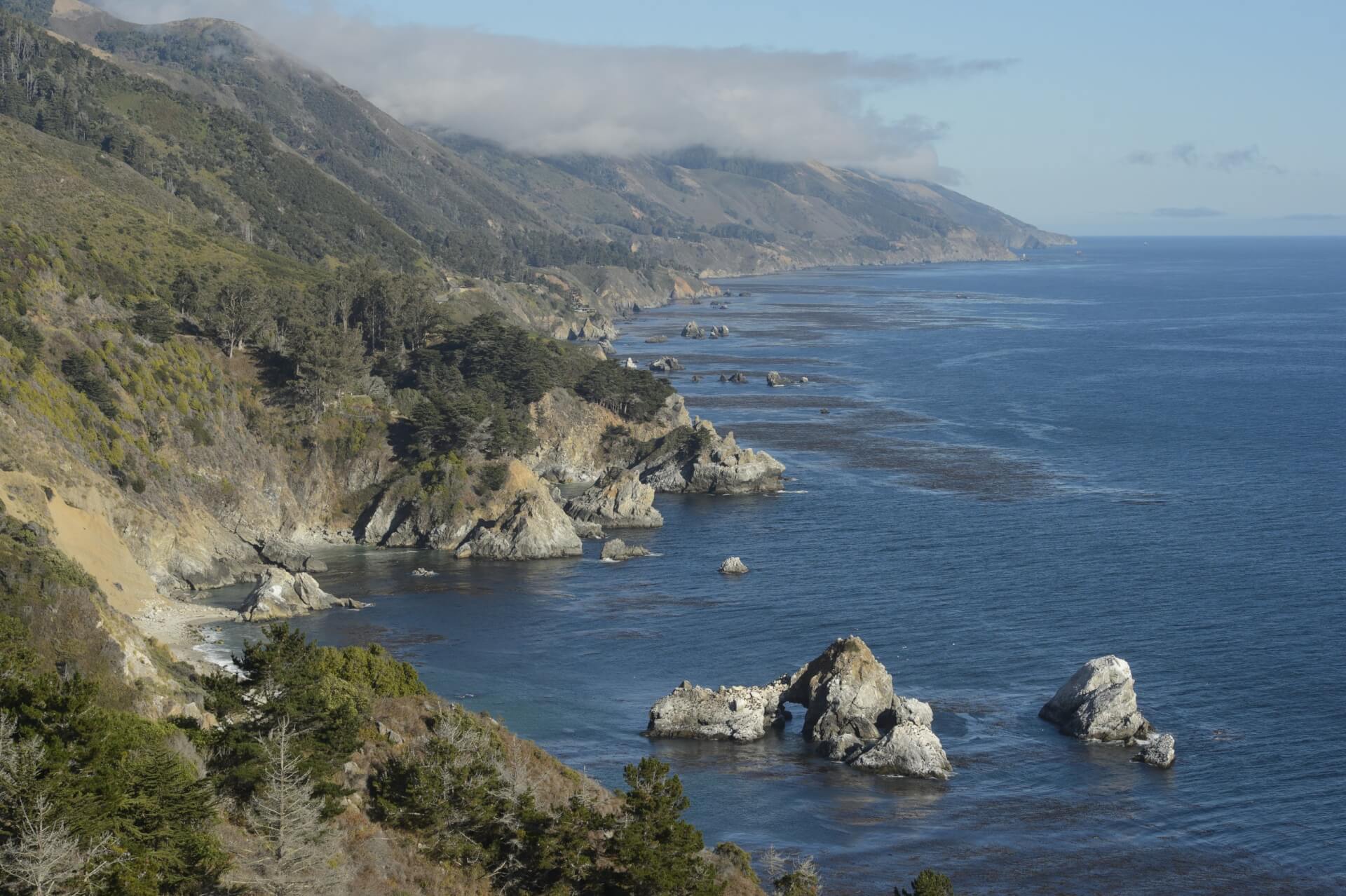
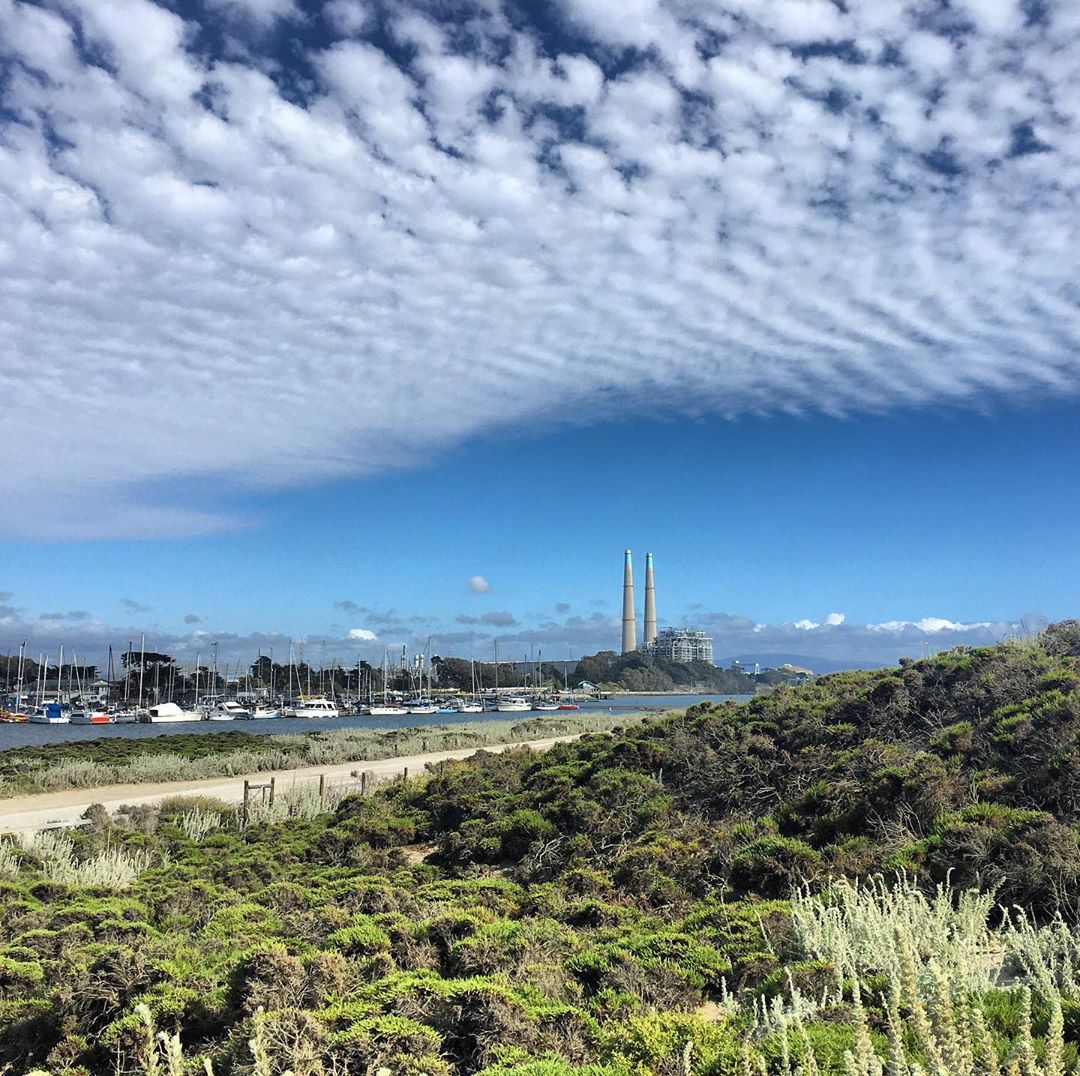
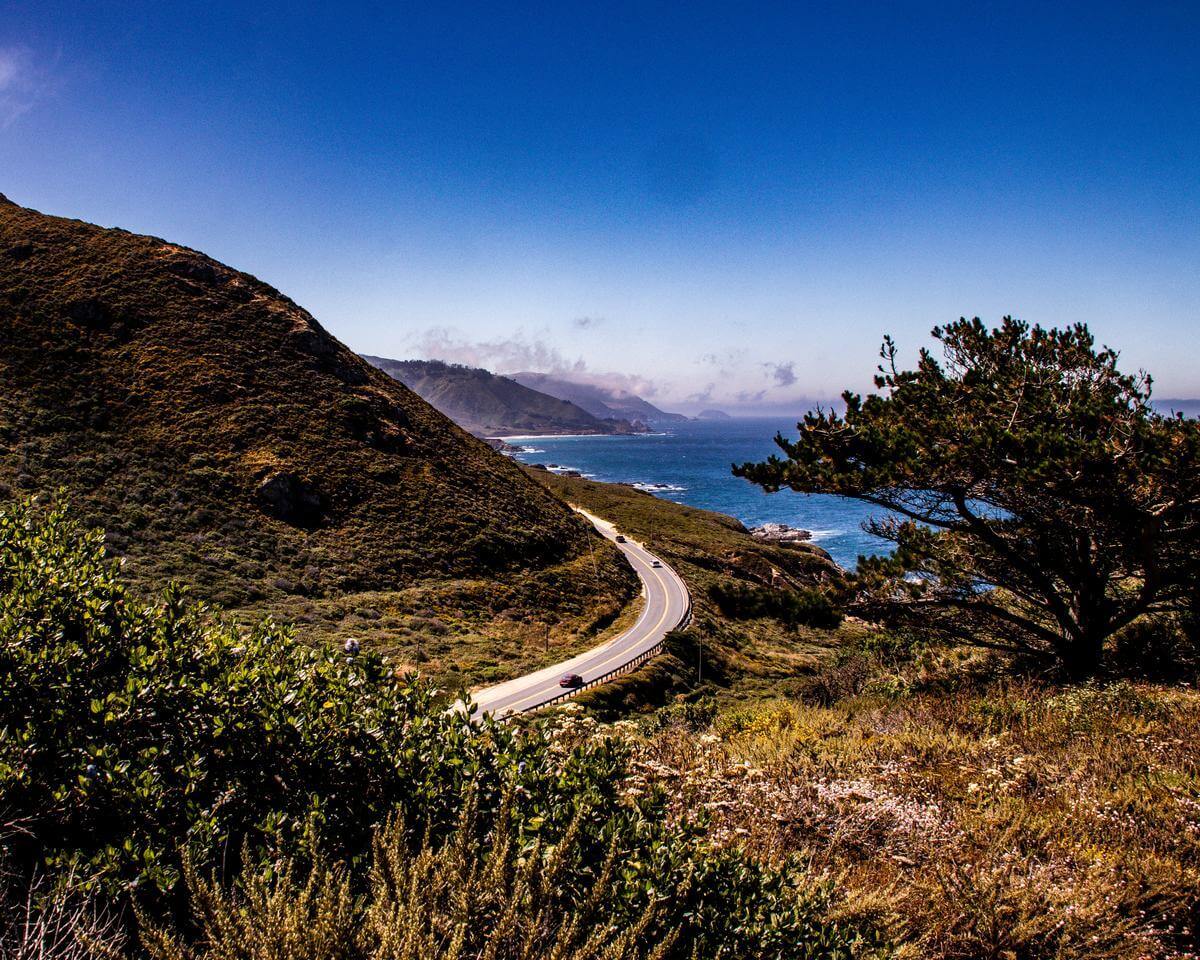
Between November 16 and November 18, 1542, Cabrillo and his crew explored Monterey Bay. Sailing through Monterey, Cabrillo named the area “la Bahia de los Pinos” for the pines that ran down to the sea, but the cliffs and surf of Big Sur were far too rough to land. The ships are possibly anchored in Moss Landing at a depth of 45 fathoms. Still, the surf was far too challenging for the crew to land on those days. Cabrillo continued to sail north, possibly to Point Reyes, before returning on a current towards Navidad, Mexico, New Spain.
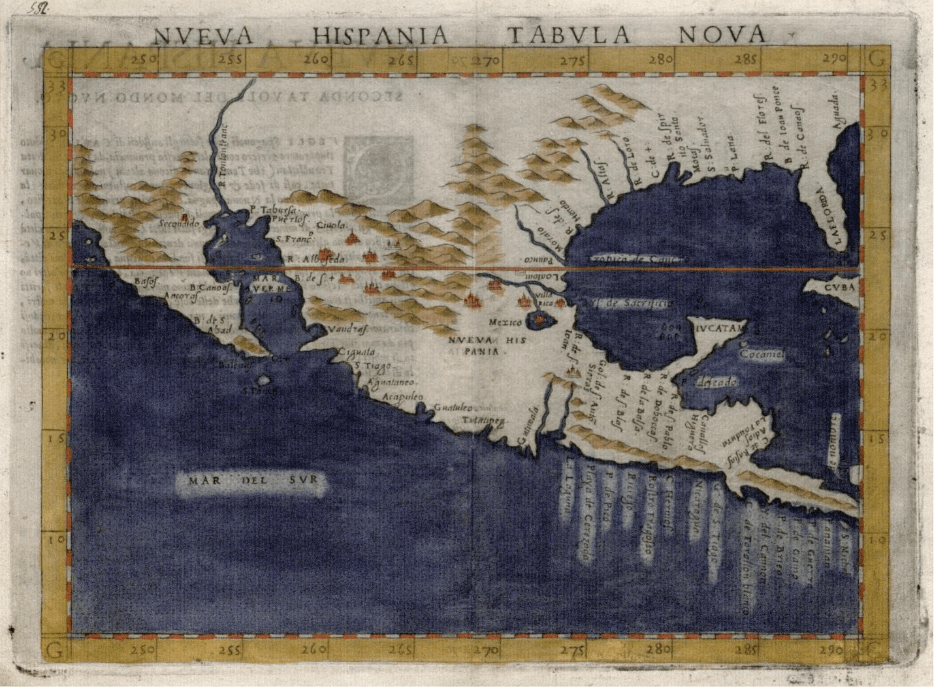
Cabrillo decided to land the boats in the Channel Islands in the winter, as the crew had suffered many hardships during winter storms. During a fight with Chumash on San Miguel Island, Cabrillo broke a bone jumping off San Salvador and died from complications on January 3, 1543. Some reports say his leg, others say his arm was broken. Cabrillo was buried on San Miguel Island in the Channel Islands.
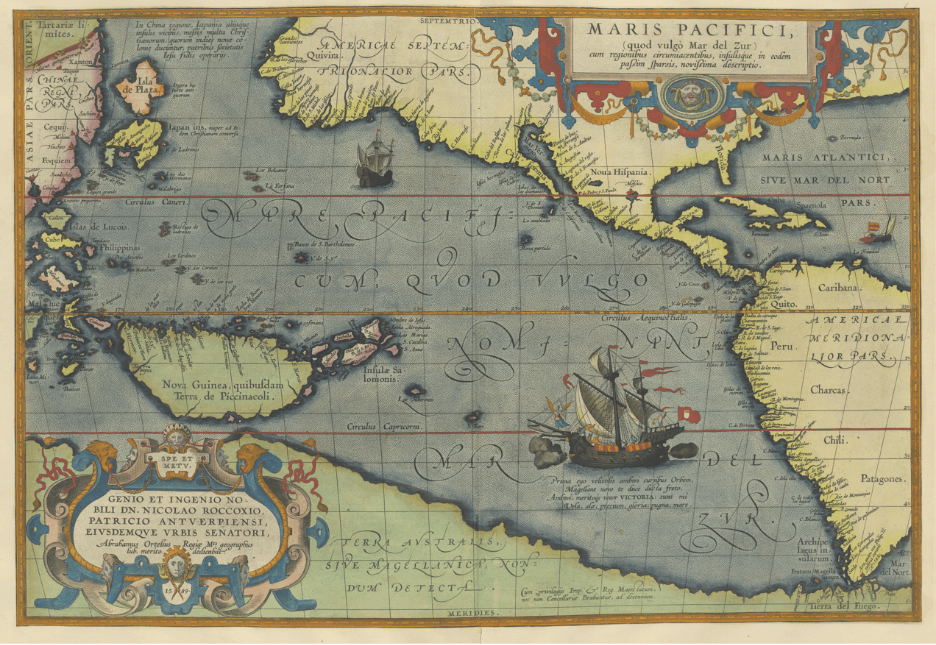
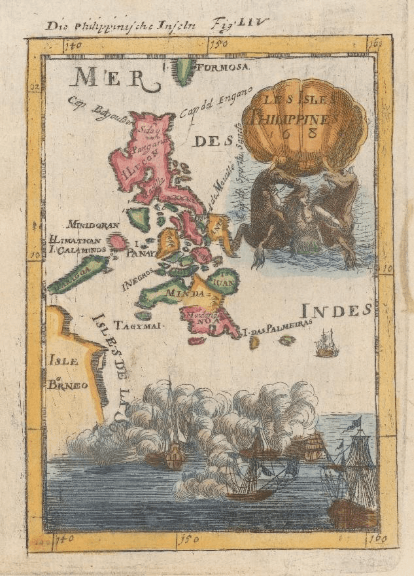
Initially, the expedition was considered a failure. No route to China or India was located, and no gold was found by the tribes in Alta California. No written log from the journey was retained, and much of what we know is based on court testimonies transcribed by Juan Leon after the ship returned on April 14, 1543. The latitude and longitude measurements were incorrect, either due to human or compass error, leading to further disputes over what Cabrillo found. The ships that had sailed to California were eventually sent to explore Peru and lost to time. Viceroy Mendoza had lost both captains from Cabrillo’s fleet on the explorations north and west. Although Villalobos found a route to the Philippines and named them Las Islas Filipinas, he also perished on the route back. Eventually, this trading route to the Philippines would necessitate another port in Alta California. The story of Monterey will resume again following the trade winds between Asian and Alta California.
For 60 years, Monterey and much of Alta California were untouched by Spanish explorers, and by that time, the encomienda system had ended. Prior to Vizcaino's landing in 1602, California's natural wealth was not considered valuable to New Spain. Although given orders not to rename any sites that Cabrillo had claimed, Vizcaino renamed the Baia de Pinos the “Monterey Bay.”
Experience Today
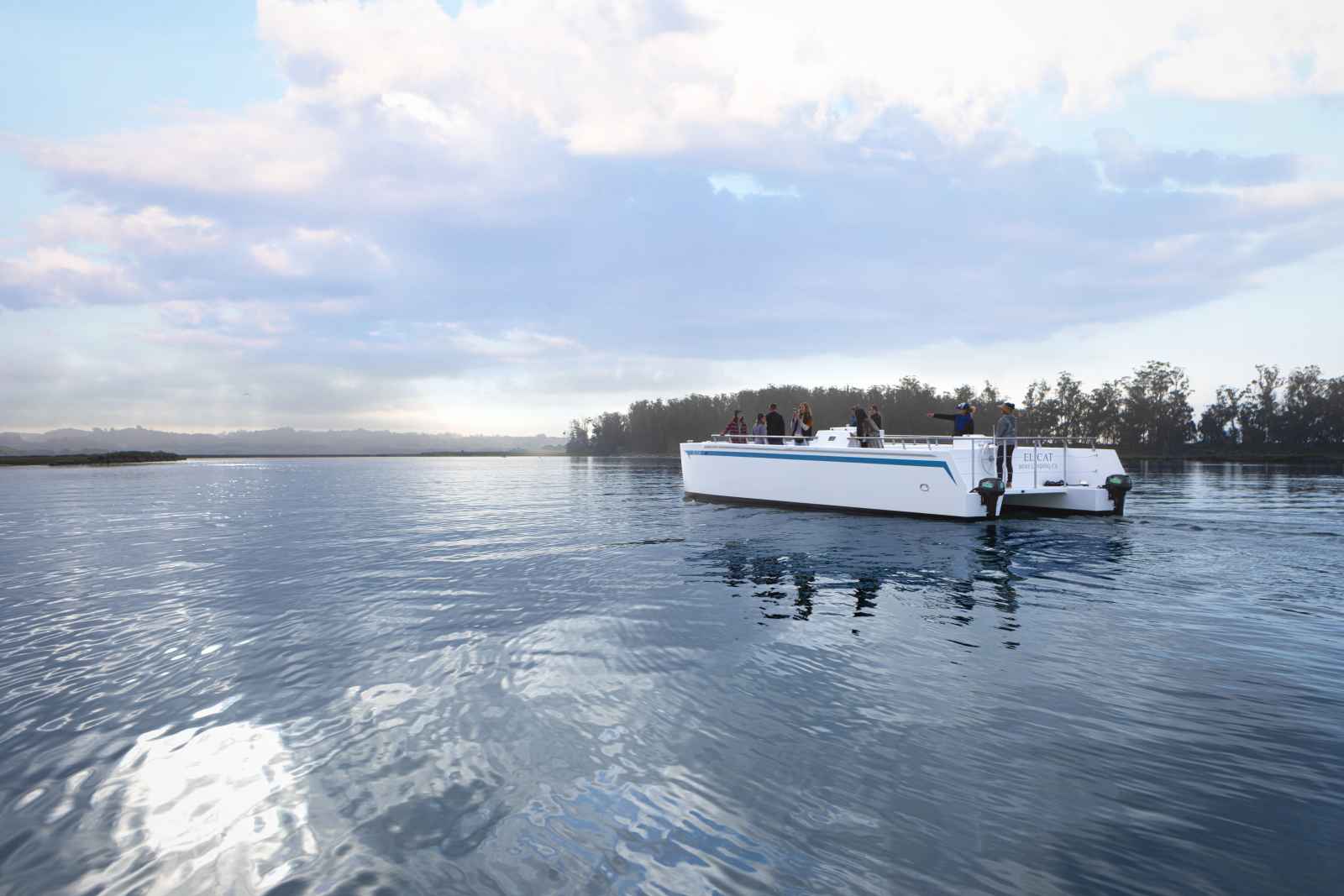
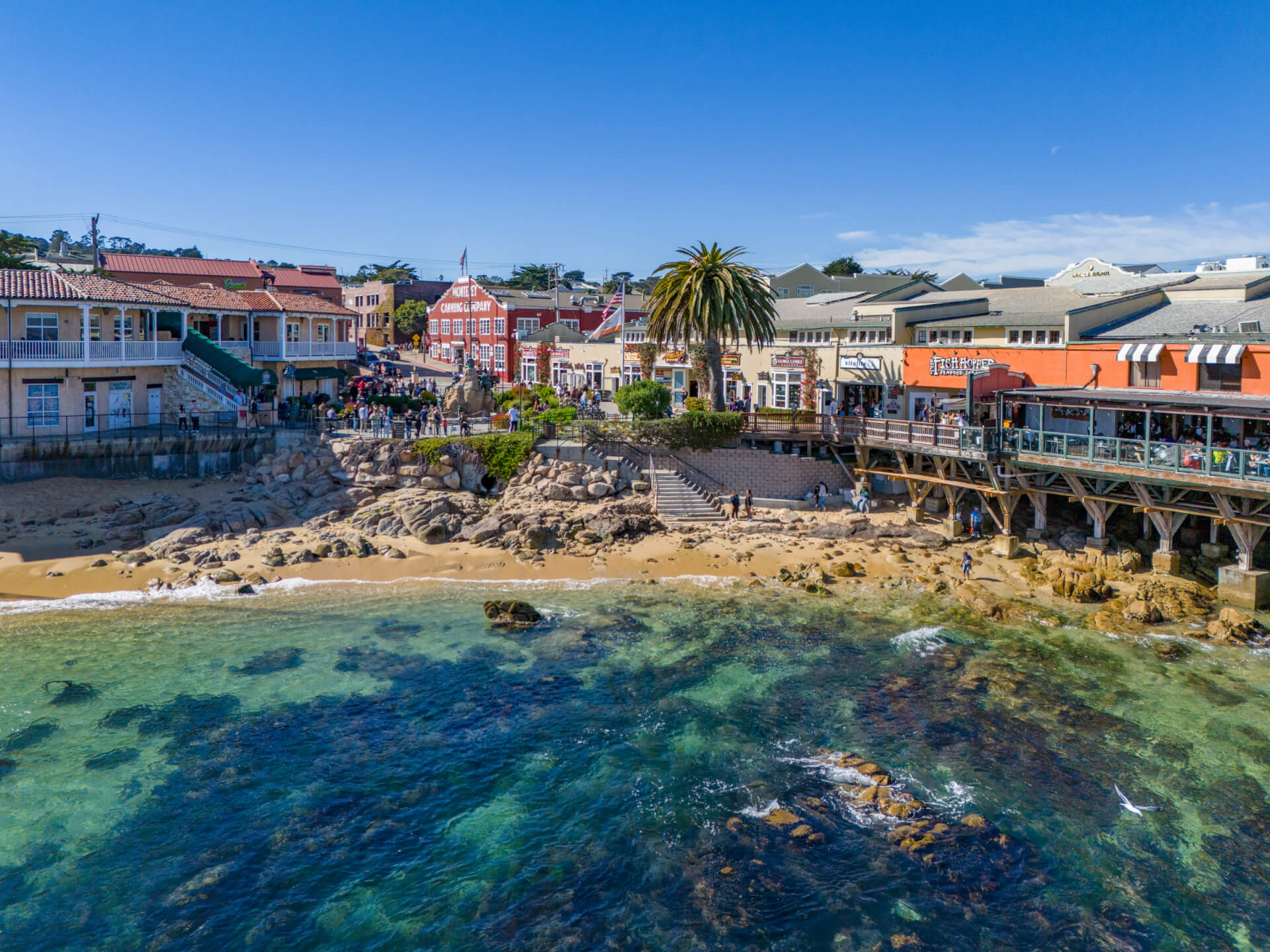
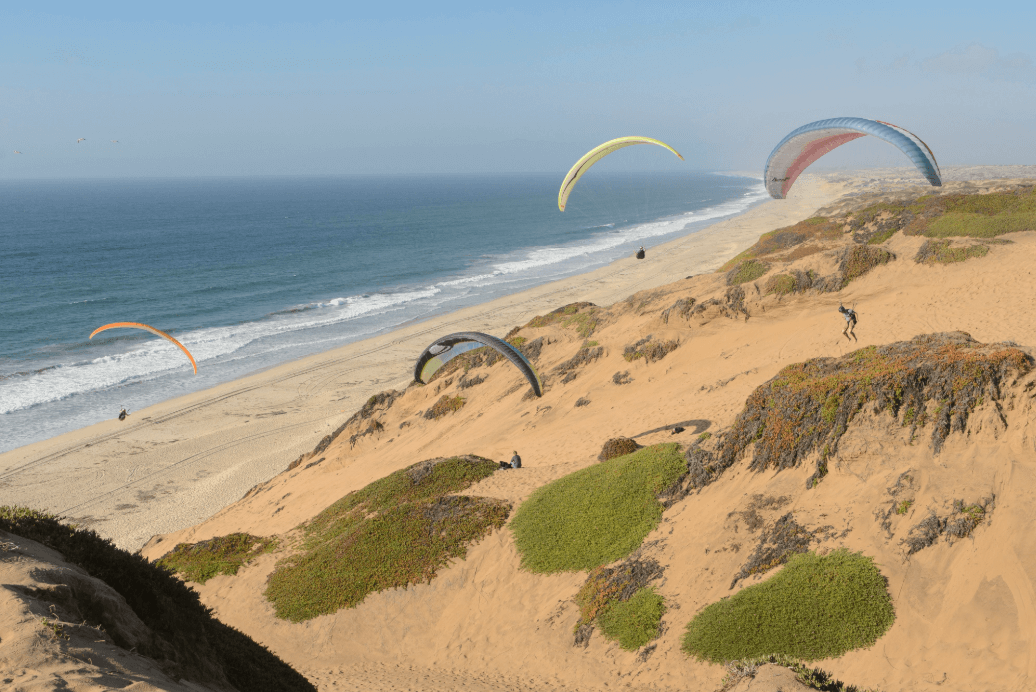
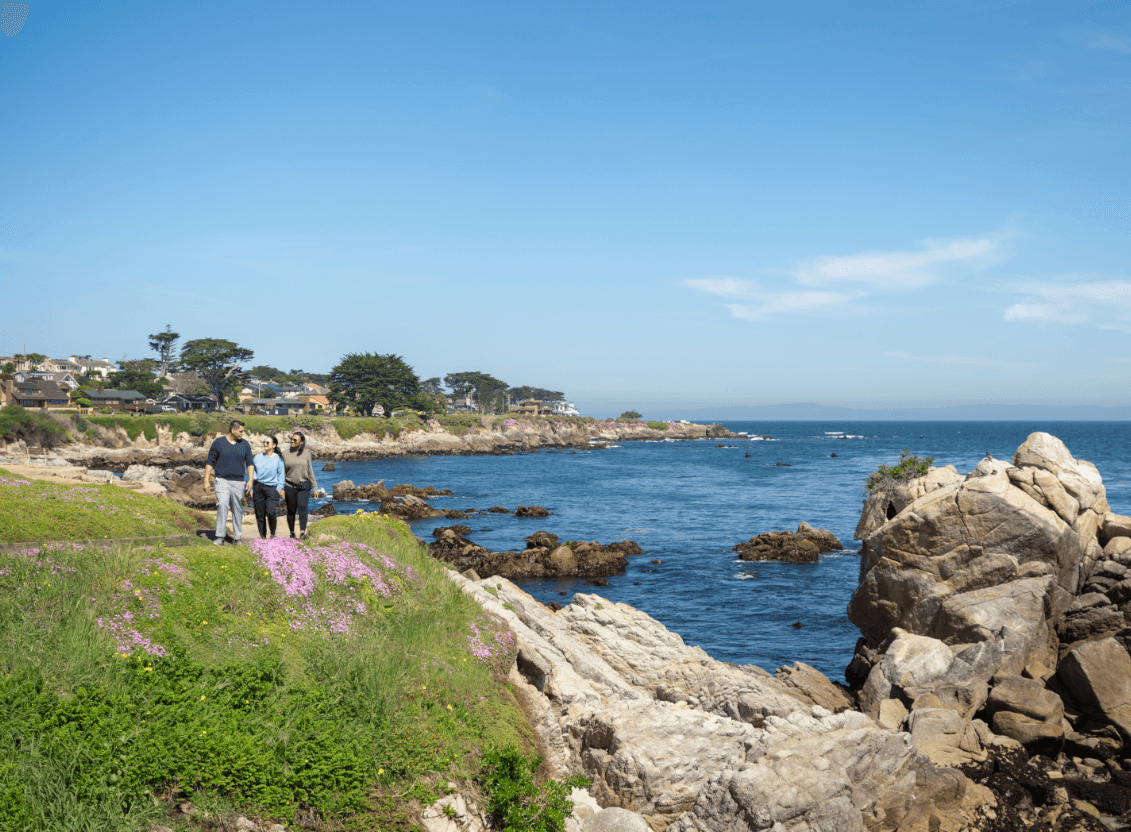
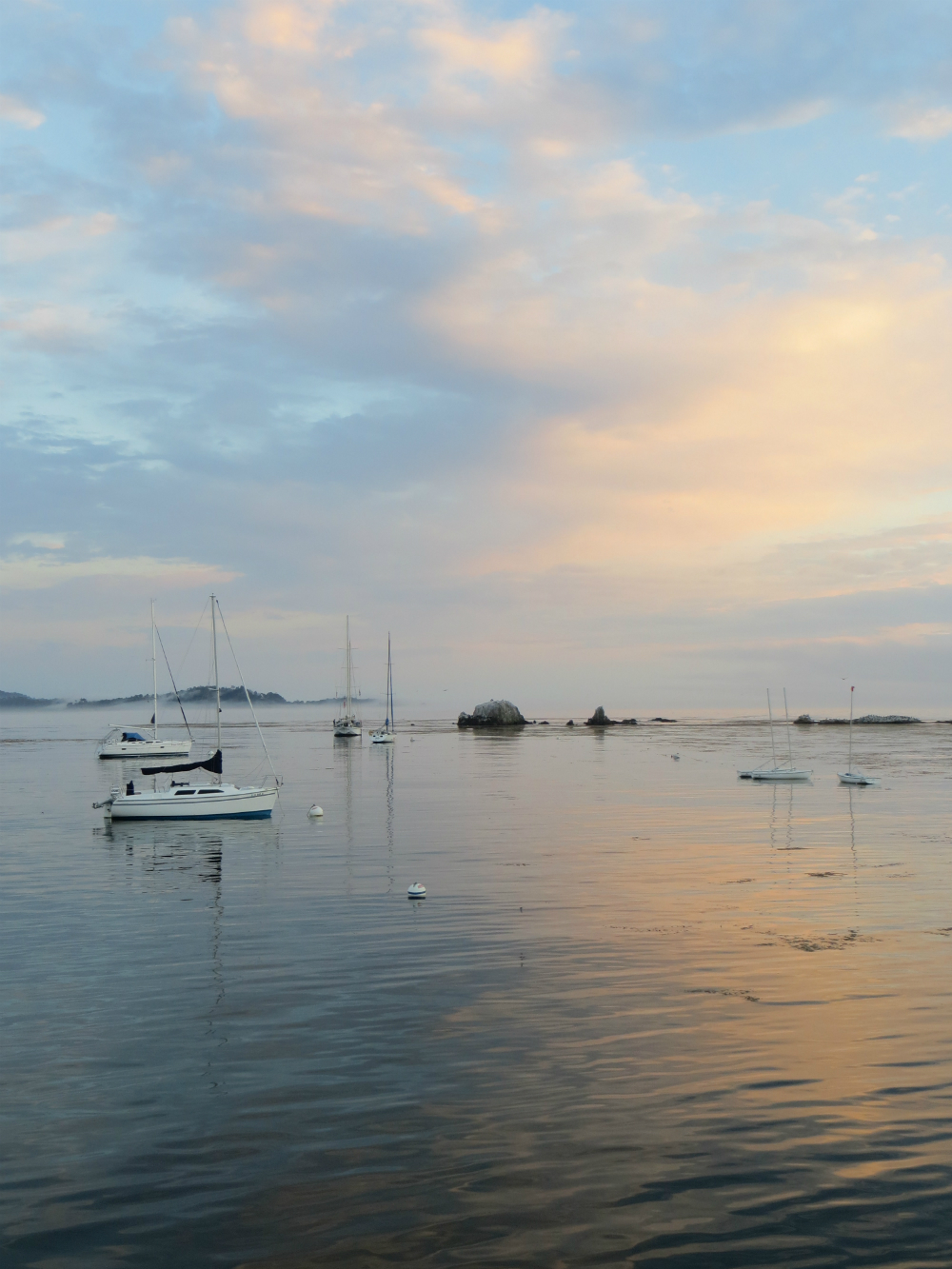
A view from the sea is what Juan Rodríguez Cabrillo and his crew would have seen when they arrived in Monterey, then known as Bahía de los Pinos, over 500 years ago. Today, you can recreate that same sense of arrival by exploring the coastline from the water (or sky) with these local experiences:
- Local sailing businesses, like Sail Monterey and Shearwater Sailing: Set out on a traditional sailing excursion where the coastline unfolds slowly before you, offering a peaceful, wind-powered perspective that closely mirrors early maritime exploration.
- Local kayaking businesses: Paddle at your own pace across the kelp forests and calm coves of Monterey Bay, getting close to marine life and experiencing the shoreline from an intimate, water-level view.
- Monterey Bay Eco Tours: Join a guided boat tour led by marine naturalists who bring the bay’s rich ecosystem to life, combining scenic coastal views with fascinating insights into local wildlife.
- Specialized Helicopters: Take to the skies for a dramatic aerial perspective of the coastline, where sweeping views of the bay reveal the same natural beauty that first drew explorers to these shores.

Brian Edwards
Brian Edwards is the Library & Museums Director for the City of Monterey. He focuses on preserving and sharing our cultural and historic resources for people today. He serves on the board of the Monterey State Historic Park Association and promotes events and information for early California. He has a background in studio art, storytelling, research and information sharing. He loves to share stories with residents and visitors throughout Monterey County.