

Interview with Sam Farr, Retired Congressman
Inspired by America 250, Monterey 1000 broadens the lens to recognize histories that long predate the founding of the United States. Over the coming year, this ongoing series will explore those stories, starting with some of the earliest chapters and connecting them to what makes the destination distinctive today.
Retired Congressman Sam Farr embodies Monterey County. Born on the Fourth of July, Farr started in Monterey County politics, then served in the California State Assembly to serving in the United States Congress.
When people think about our United States history, they usually focus on the East coast, but as Farr talks about Monterey County, “this is the sort of Plymouth Rock, this is the beginning, this is the western United States.”
Early Latino influence is seen in the naming of cities, rivers and mountains all across California. The foundations of law and culture were shaped by the Californios (native-born before American occupation) and by the confluence of American and Mexican law, leading to the establishment of the first courts and jury trials in the state. There are numerous firsts in Monterey County that have led the way for California State Landmark #1 – Custom House, located in Monterey near Old Fisherman's Wharf. The California Constitution drafted in Monterey allowed women to own property, which eventually led to possibly one of the earliest women-founded cities in the United States - Catalina Munras in Soledad. The first California public schools and first colleges were formed in Monterey County, along with the first newspaper and public library.
Farr recognizes that indigenous groups have been in Big Sur and throughout the county for over 10,000 years. The diversity of our heritage and the variety of cultures brought new crops, farming practices and ideas to Monterey County over time. From the early Spanish era of Alta California in 1770, this was a center of agriculture. In the founding years of the Monterey, the DeAnza Expedition of 1775-1776 colonized cities of San Francisco, San Jose and Monterey along the El Camino Real (King’s Road or Royal Road). Twenty-one Missions were built in California as outposts and to convert indigenous tribes to Christianity. The Missions became the first ranches and centers of agriculture in Alta California, leading to the cattle industry and “California Bank Note” (cattle hide) as a major trade item, and to an influx of new agriculture across the state's microclimates. Early California was really the wild west.
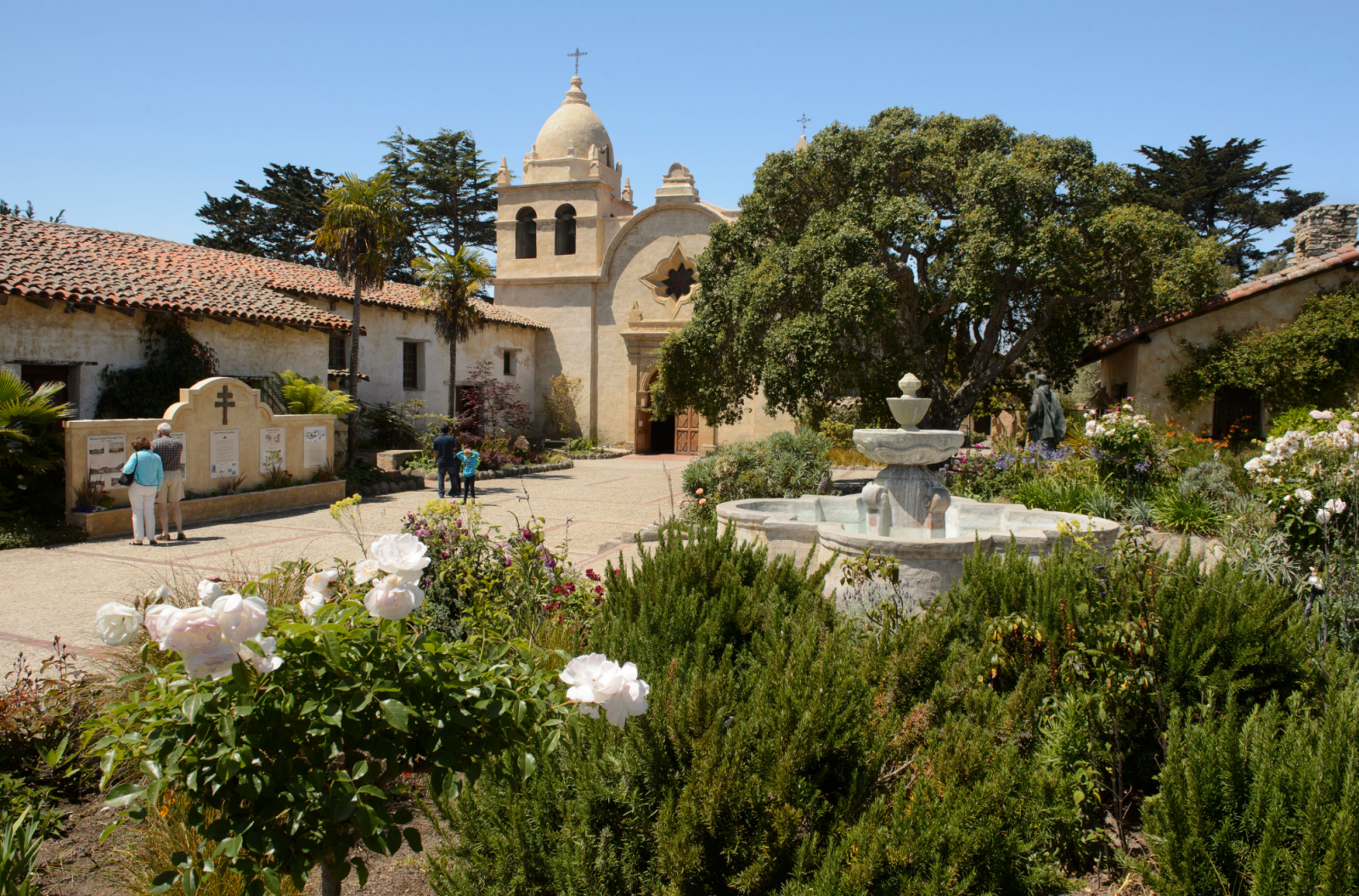
Three Missions can be found in Monterey County: San Carlos Borromeo de Carmelo (Carmel Mission) (1770), San Antonio de Padua (1771), and Nuestra Señora de la Soledad (1791), along with the Cathedral of San Carlos Borromeo de Monterey (1770) located at the former Monterey Presidio. The Spanish introduced the first non-native plants, agriculture, and irrigation to the area to expand the colony of New Spain. As Monterey County was the international training port for New Spain and later Mexico, domestic and international cultures continued to influence the region. Over the past 250+ years, numerous other cultures have introduced new crops and farming techniques, making the Salinas Valley the most successful agricultural area in the country.
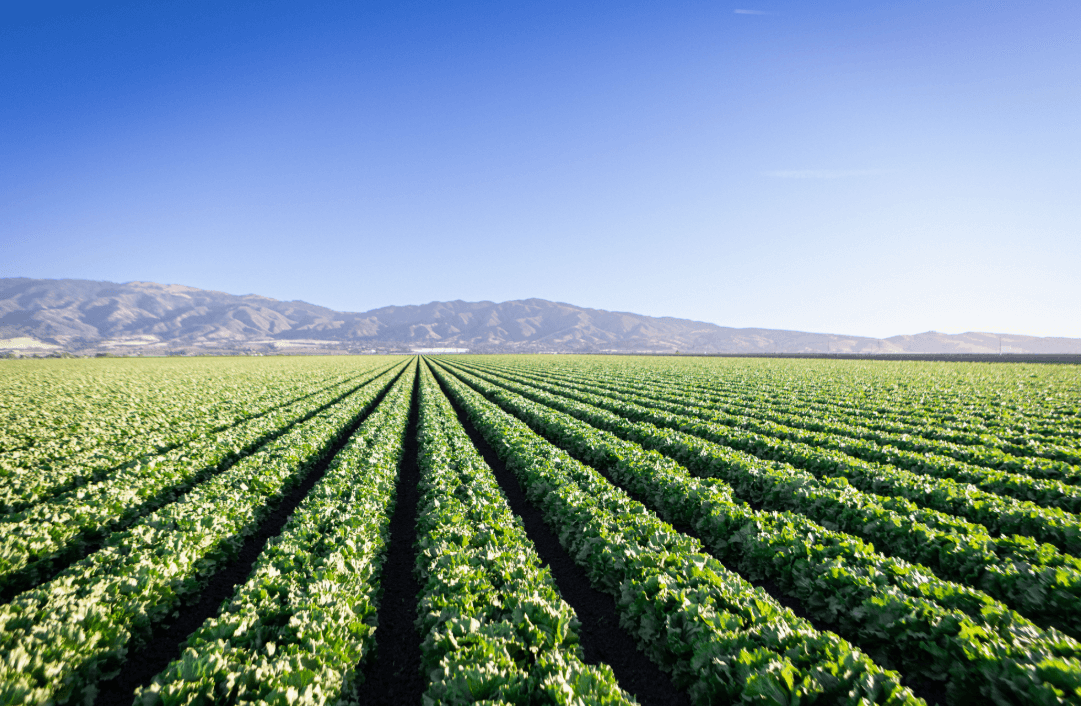
Monterey County is the Salad Bowl capital, and the Southern Pacific Railroad has a lot to do with that. In fact, the railroad created Sunset Magazine to promote rail travel across California. Along with railroads expanding the ability to ship produce nationwide from California, they were once the primary means of travel for visitors. Early railroads had fine dining cars that served fresh salads to passengers, offering a luxurious experience. On early trains, the salad would fall off a plate as the train lurched off, but a “salad bowl” was a novel term created to keep your food from falling onto the floor. Iceberg lettuce was even coined here, as trains used blocks of ice to ship the produce across the country, and the lettuce looked like an iceberg when it arrived. Agricultural innovation in Monterey County has continued, with practices for shipping, cooling and icing produce, and packaging that allow prepped salad bags and produce to arrive fresher at local stores nationwide.
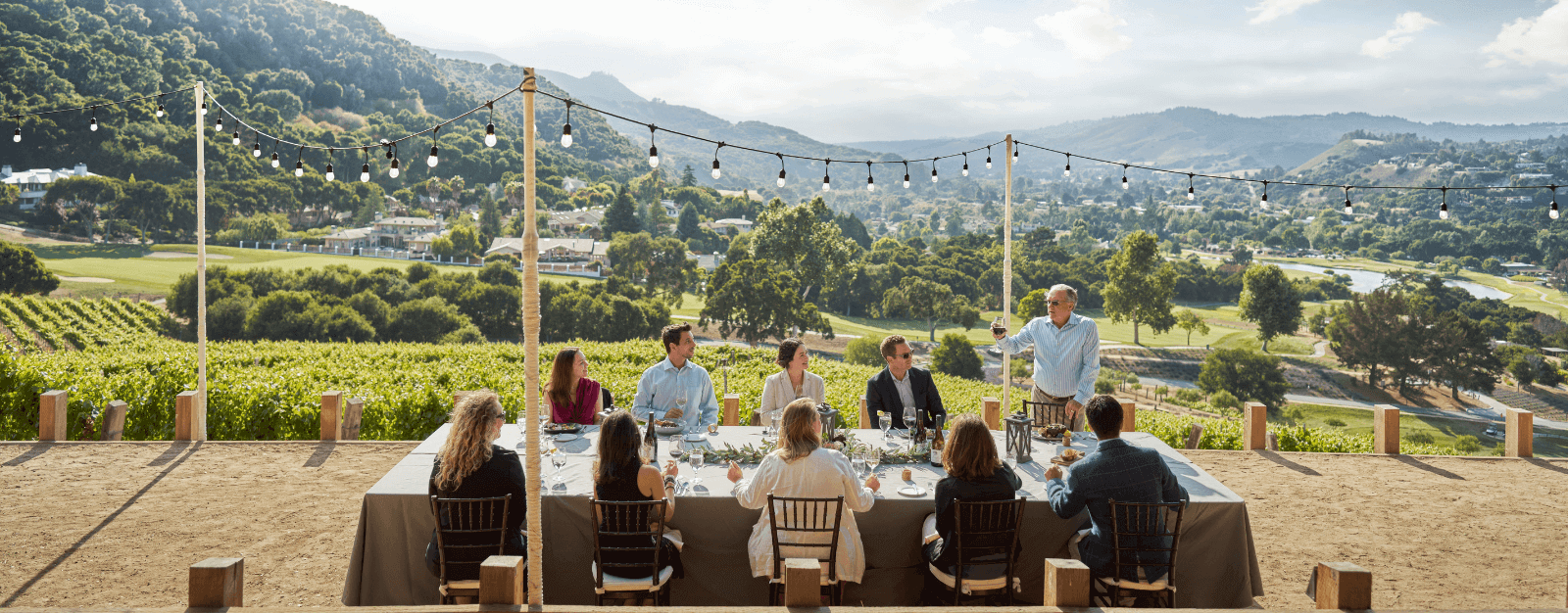
The Salinas Valley grows over 100 commercial crops in one area – the microclimates across the county help diversify the crop mix. One of the projects that Farr worked on while in the California State Assembly was to clearly mark where your food was grown and create standards for labeling “Certified Organic” produce. The issues came directly from farmers interested in highlighting California-grown. In 1990, stores in California began marking where produce was grown and established standards for labeling Certified Organic. Farr’s work on truth in labeling enabled growers to highlight produce grown with sustainable methods.
Given the need for housing and agriculture, Farr remains interested in the question, “How do we preserve the natural beauty?”
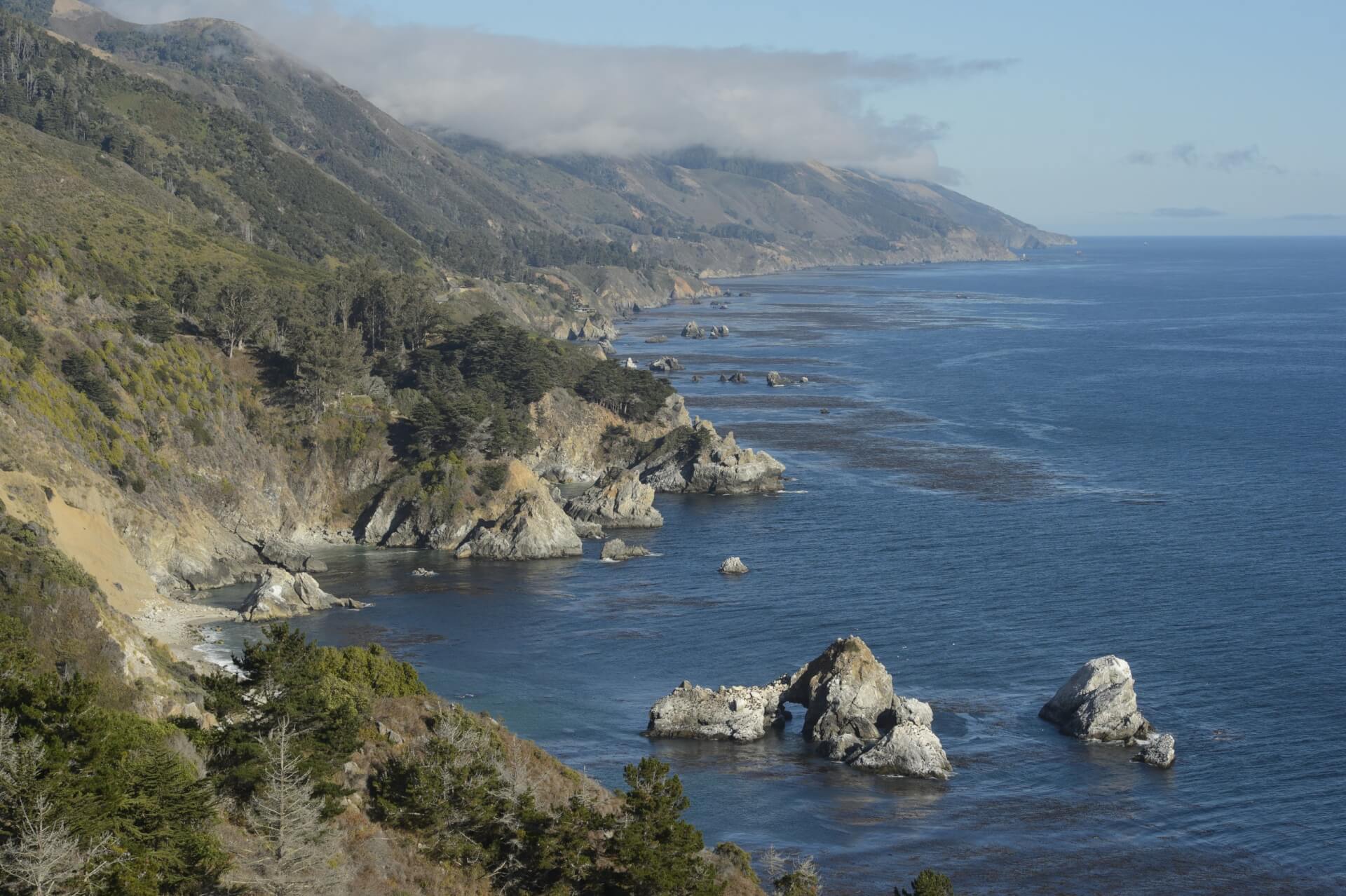
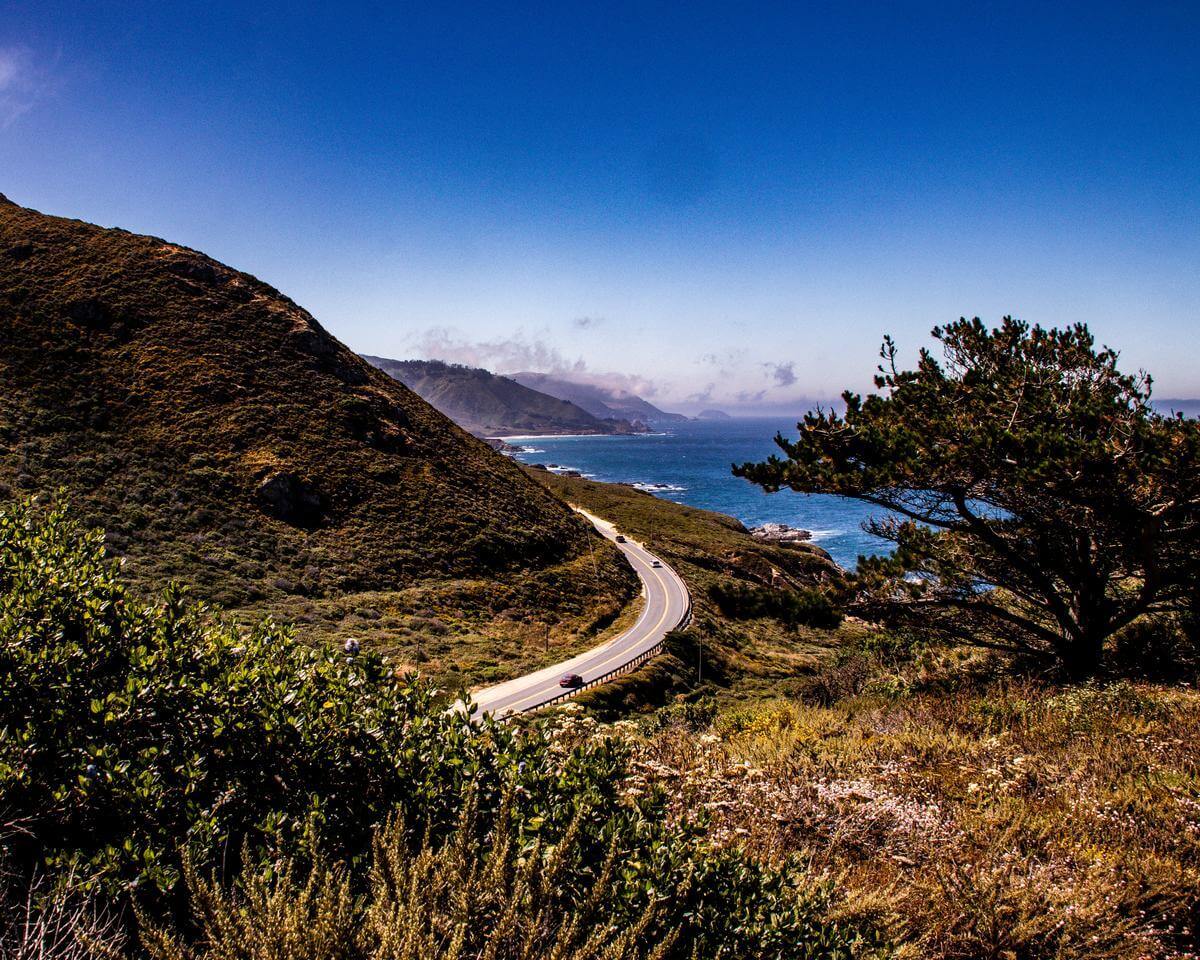
Farr’s father introduced a bill in the California State Senate in 1967 to create a Scenic Highway program to prevent billboards and beautify roadways during a period of expansion in private car use. One of the most iconic Bixby Bridge is in on Highway 1 – part of the Scenic Highway. This direction has led to beautiful sections of Highway 1 down to Big Sur, protecting scenic views for everyone. Inhabitants have always been drawn to the natural beauty, which is incorporated into one of the most memorable drives in the country.
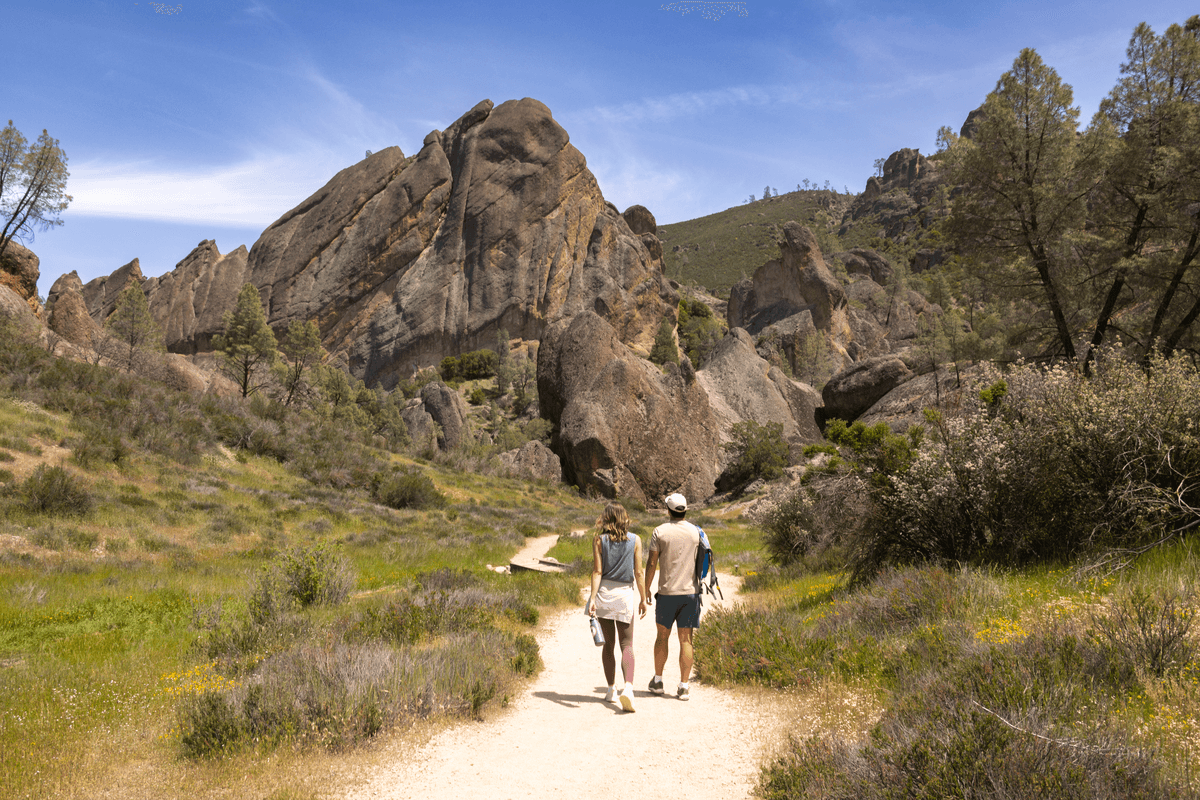
Farr worked during his career to preserve undeveloped lands throughout Monterey for open space and public parklands. When the United States Army closed Fort Ord in 1994, nearly 28,000 acres in Monterey County were headed for sale as part of the Base Relocation and Closure (BRAC) process. A well-thought-out project led to transforming the military base into nearly 15,000 acres of open space as Fort Ord National Monument, creating Fort Ord Dunes State Park, California State University Monterey Bay, and new housing in Marina. In 2013, California’s newest National Park – Pinnacles National Park - was added in Soledad. Why is Pinnacles so important? Farr describes a conversation he had with historian Ken Burns: “All these National Parks are like library books on ecosystems – what’s missing is plate tectonics. That’s Pinnacles.” Pinnacles is also home to California Condors and a truly stunning terrain.
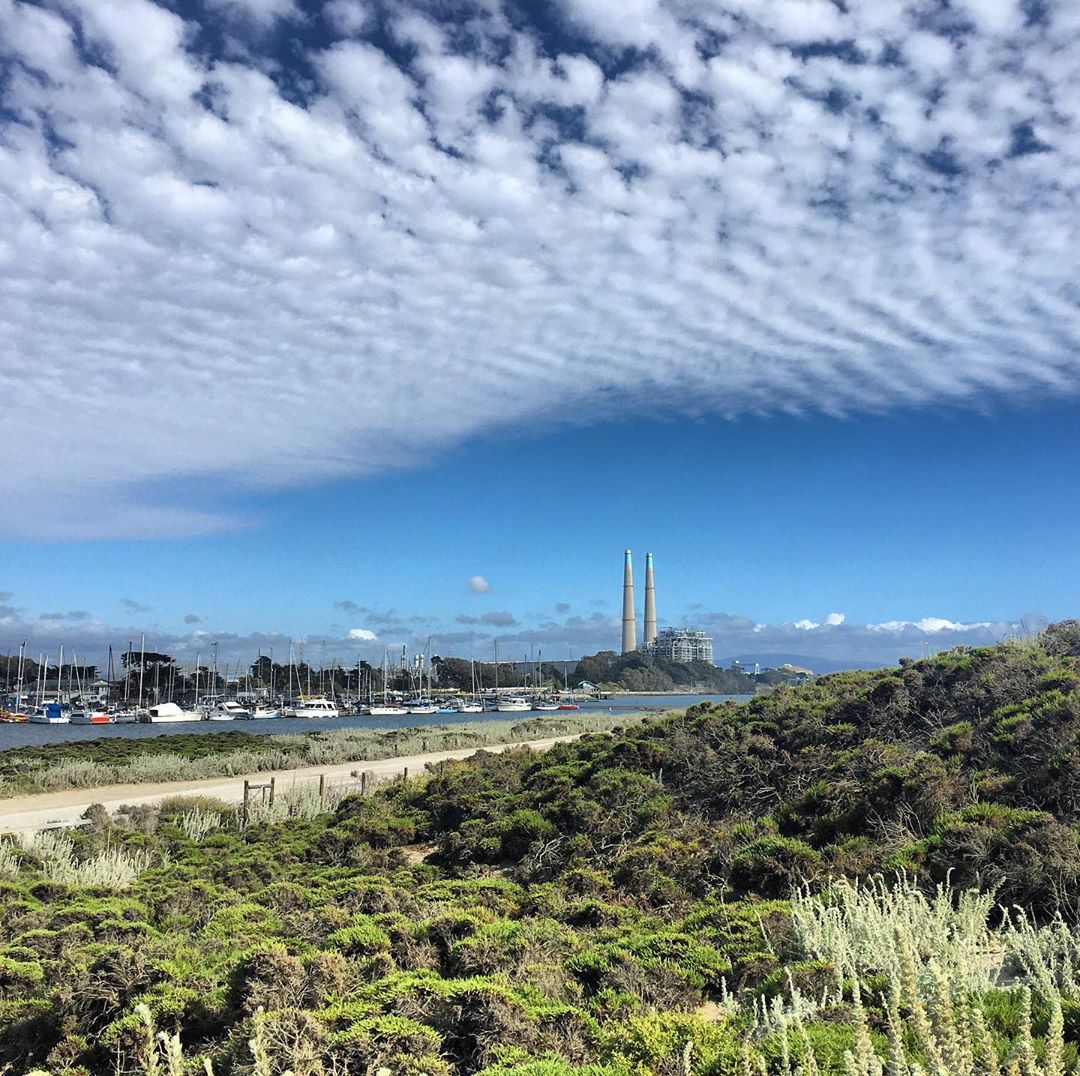
The natural environment includes the life within the Monterey Bay. Sea otters, once thought to be entirely extinct on the Monterey Peninsula, are now a symbol of the resilience and recovery of Monterey Bay. Farr says, “Within a 40-mile radius of the center of our Bay, which is Moss Landing, is the most biologically diverse area in the world.” Shifting from 19th-century whaling to 21st-century whale watching tours, the Bay is recovering. Balance will be key for our marine ecosystems, which are still recovering. Farr believes in the concept of “Regeneration - leave everything better than you found it” for how we experience the ecosystems around us. Whales, crabs, abalone and fisheries are being actively protected for our sustainable Monterey tourism future. As Marine Biologist Ed Ricketts once stated, “We know where all the sardines went – they’re in the cans.”
Creating a sustainable economy meant removing oil tankers from the coast and preventing oil drilling in Monterey Bay. The 1992 Creation of a Marine Sanctuary in Monterey Bay by the National Oceanic and Atmospheric Administration (NOAA) still allows commercial and recreational use while conserving and protecting wildlife. The Monterey Bay National Marine Sanctuary is the largest in the continental United States. Research institutions, including Monterey Bay Aquarium Research Institute, CSU Monterey Bay, Stanford’s Hopkins Marine Station, Moss Landing Marine Laboratories and other organizations contributing to advancement in marine science. As Farr states, some of the biggest supporters of creating the Marine Sanctuary were insurance companies, “the wildlife here is so diverse that if it were destroyed by oil spills, the cost would be astronomical.” Research into the sanctuary's ecology and habitat restoration is leading to recovery.
Monterey County has been a leader in California through ethical building practices, organic foods and green practices. Economic vitality, ecology and sustainable tourism can work together as a viable model for other areas. The greatest population, the greatest diversity and the greatest economy are all here in California. The largest organic industries with a variety of agriculture and thriving coastal ecosystems – making you healthier in spirit and your stomach. As Farr states, “If you want to see the best of California, visit Monterey County.”