
How Monterey’s Japanese American Community Helped Shape Cannery Row
An interview with Larry Oda and Tim Thomas of the Monterey Japanese American Citizens League & Heritage Museum

Inspired by America 250, Monterey 1000 broadens the lens to recognize histories that long predate the founding of the United States. Over the coming year, this ongoing series will explore those stories, starting with some of the earliest chapters and connecting them to what makes the destination distinctive today.
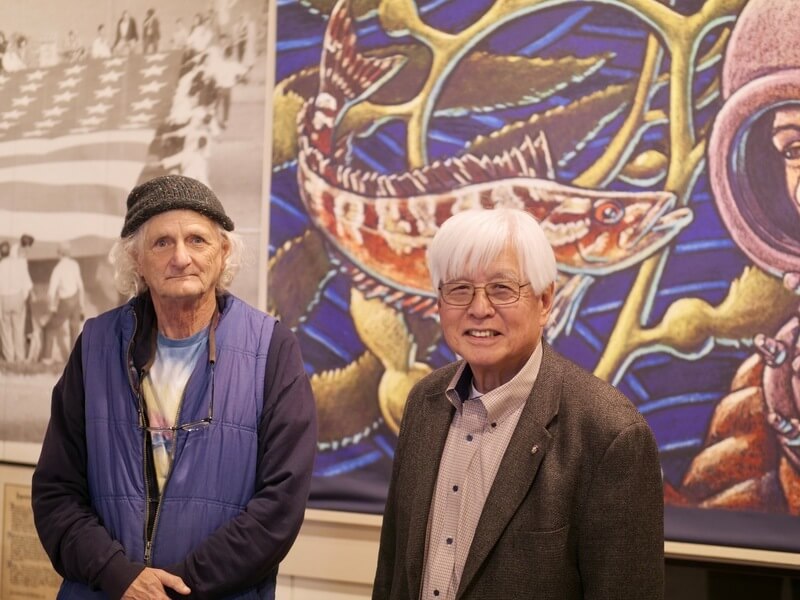
Inspired by America 250, Monterey 1000 broadens the lens to recognize histories that long predate the founding of the United States. Over the coming year, this ongoing series will explore those stories, starting with some of the earliest chapters and connecting them to what makes the destination distinctive today.
The oldest standing and continuously used Japanese community center in the U.S. is located in Monterey. The Japanese American Citizens League (JACL) & Heritage Museum of the Monterey Peninsula, celebrates 100 years in 2026. The stories here intertwine fishing, military, politics and culture.
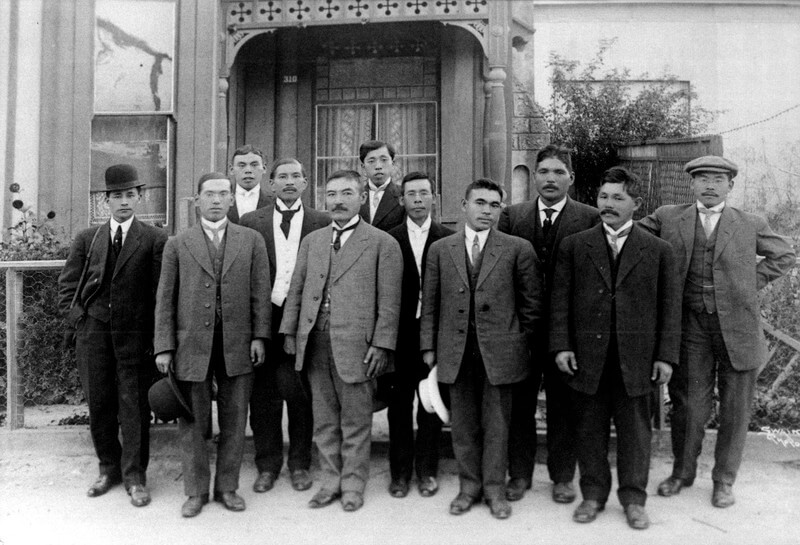
It wasn’t until 1895 that the Japanese began to settle in Monterey. After hundreds of years of isolation, the Japanese kingdom began allowing its citizens to emigrate in search of work abroad. After the Chinese Exclusion Act of 1885, the Japanese began to immigrate to the U.S. Otsobura Noda arrived from the Saga Prefecture of Japan to clear land for the Pacific Improvement Company. The Pacific Improvement Company (later the Del Monte Company, and now the Pebble Beach Company) needed labor to maintain 17-Mile Drive and create trails, as well as maintain their extensive properties throughout the area. The Japanese were industrious workers on the land and sea, bringing ideas from their homelands to Monterey. These first-generation immigrants were known as “issei” in the Japanese community.
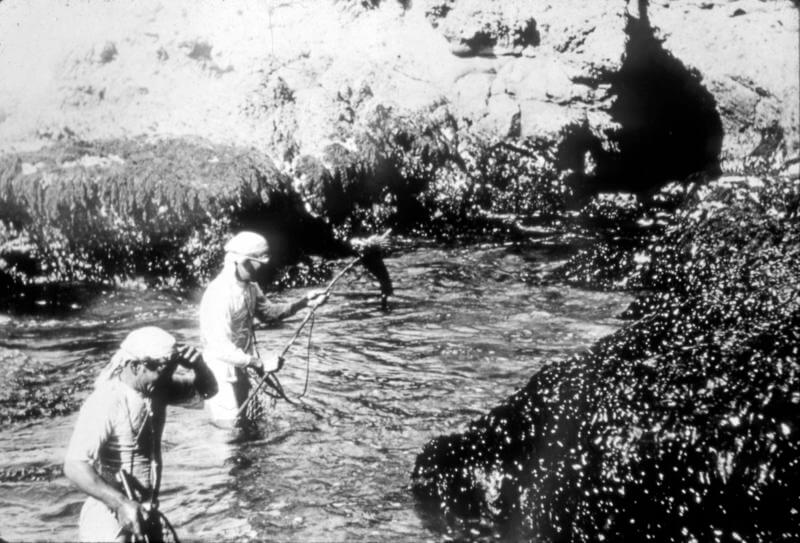
While in Monterey, Noda observed the abundance of abalone across the area and wrote to the Japanese government about the “carpet of abalone”; abalone was a delicacy in Japan, yet it had little value to people in California. Gennosuke Kodani from the Chiba Prefecture was sent by the Japanese government to assess and establish the abalone industry in Monterey. In 1897, Kodani brought three abalone divers, known as “ama” in Japanese, with him to begin collecting abalone. Although the terrain looked similar to their home in Japan, the water was much colder in Monterey due to the current.
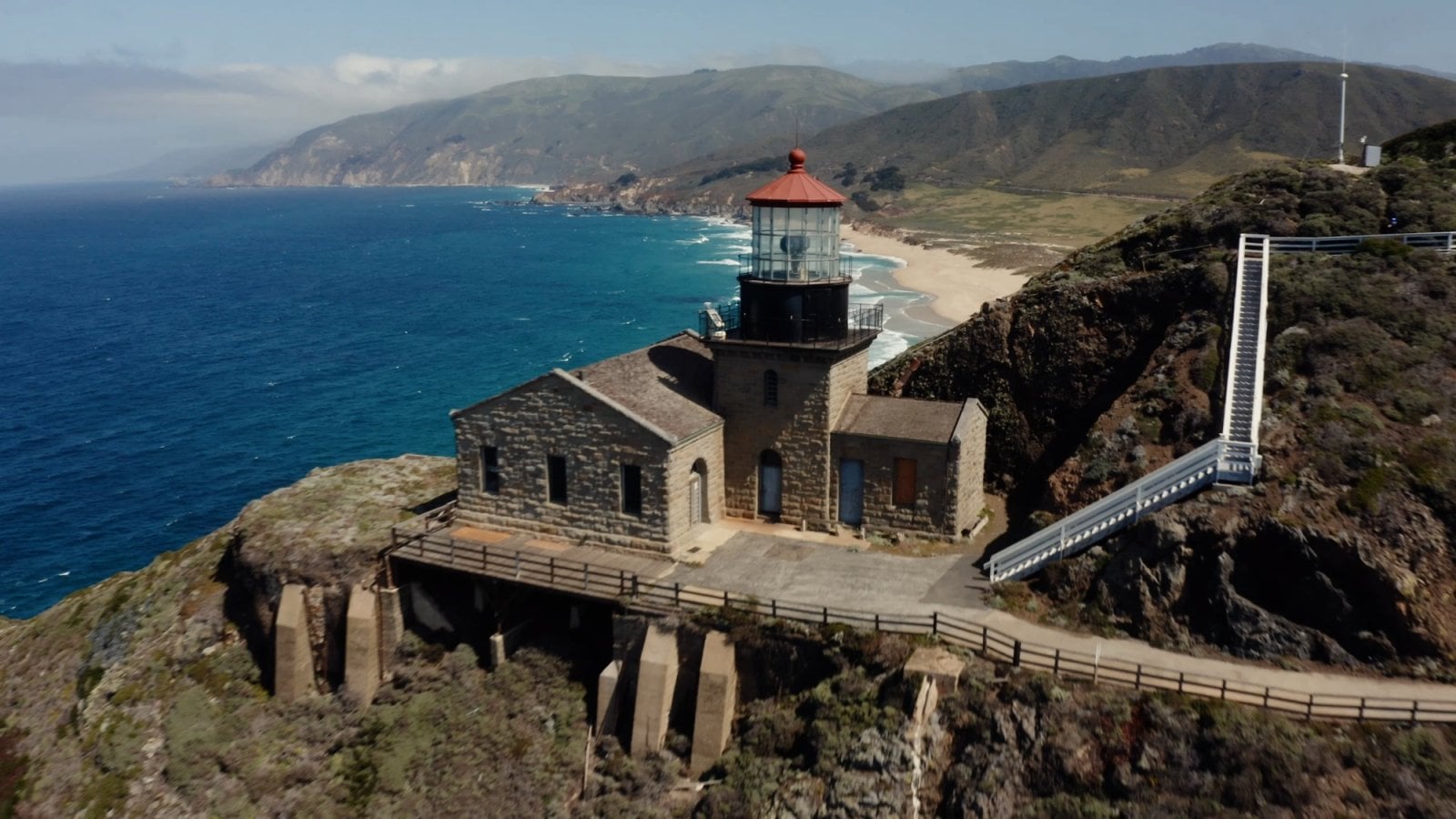
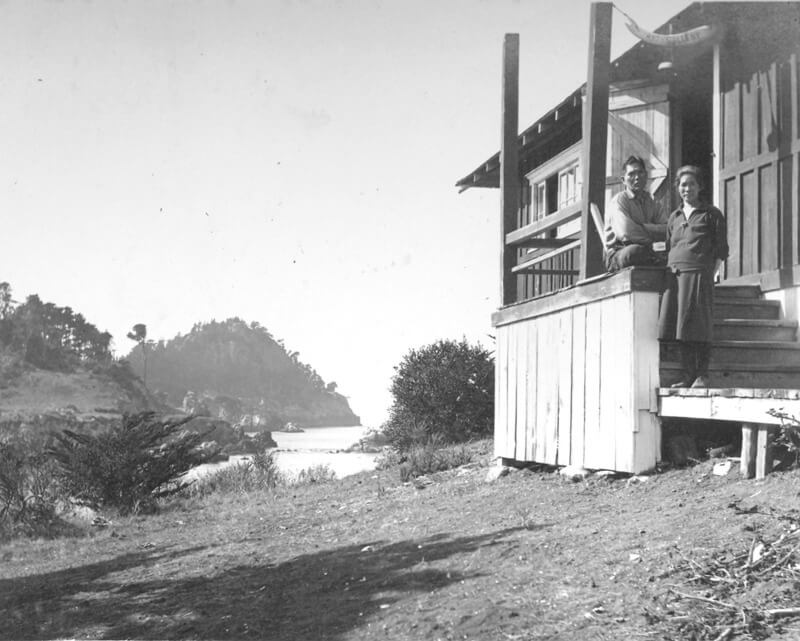
Kodani initially started collecting abalone on leased property on Cannery Row, but soon moved to Point Lobos, where he enjoyed the isolation and the area reminded him of Chiba Prefecture in Japan. The land at Point Lobos was rented from A. M. Allan, and the partnership for the Point Lobos Canning Company began. Allan had a lifetime of partnership with the Japanese community, including with the Monterey Bay Canning Company on Cannery Row.
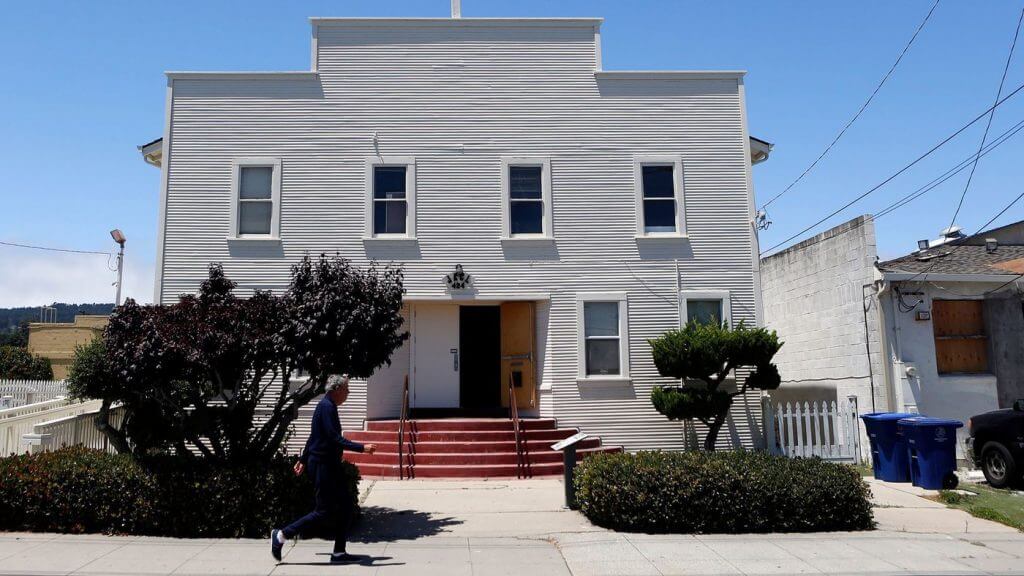
Thomas highlights the value of abalone to Monterey: “Abalone money built this building and the Monterey wharf.” Completed on May 2, 1926, the Japanese American Citizens League building was first built by the Japanese Association of Monterey. The Japanese Association had been active since its initial $100 donation to President Teddy Roosevelt to bring the Great White Fleet to Monterey Bay in 1908. The Great White Fleet was President Roosevelt's idea to sail 16 battleships around the world to highlight the navy's strength. When Prince Asaka and Princess Nobuko visited the U.S. in 1925, they toured Monterey and Point Lobos and donated $100 to seed a community hall. The Japanese community sought to create a central building to assimilate new Japanese citizens into the community, and the hall was completed in 1926.
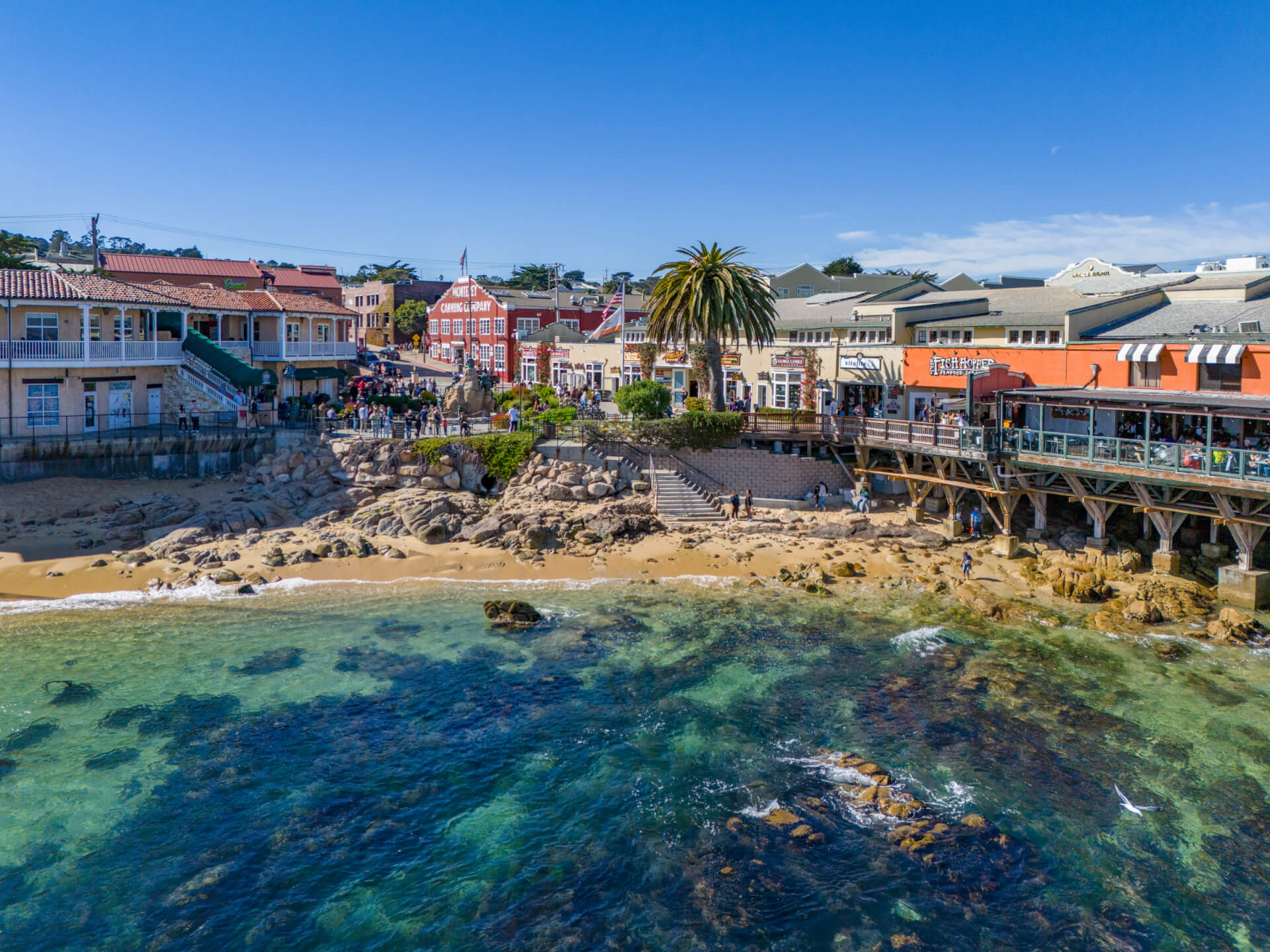
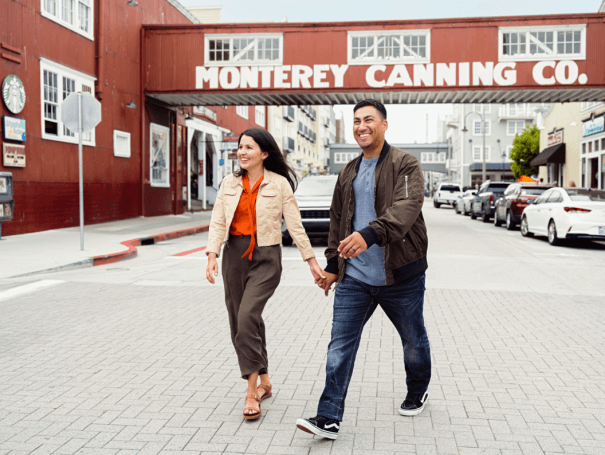
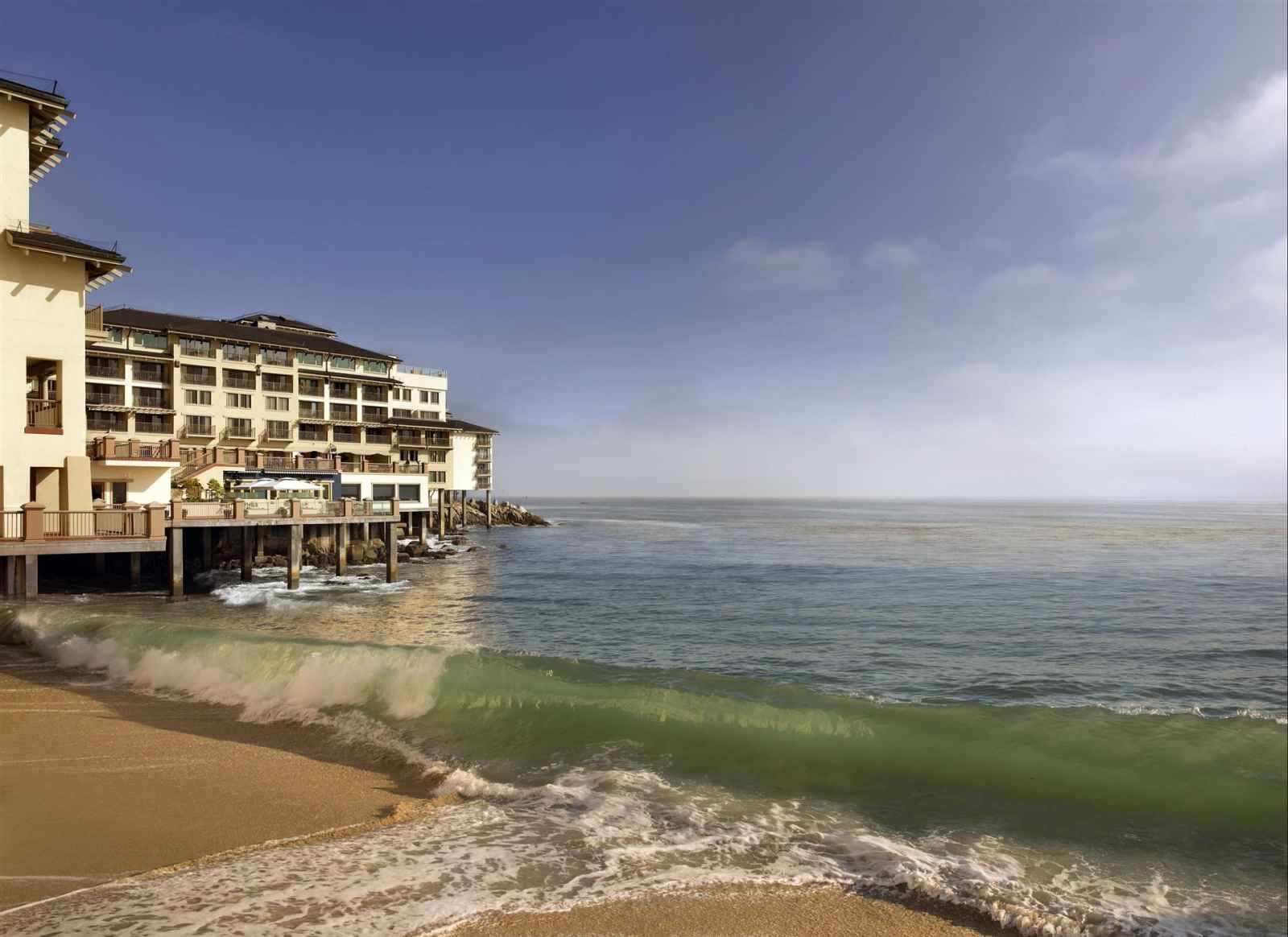
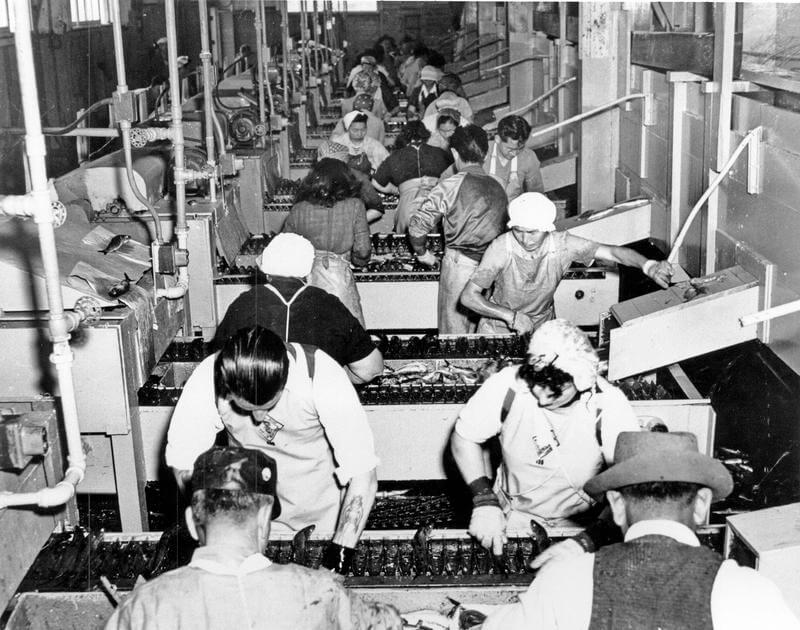
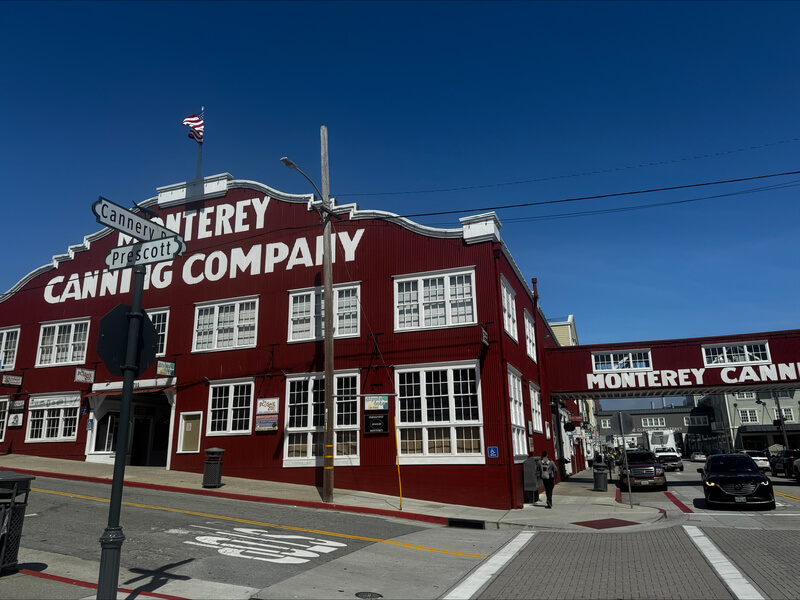
In 1902, the first cannery on Cannery Row, Monterey Fishing and Canning Company, was built by American Harry Malpes and Otsobura Noda. The Japanese dominated the salmon industry, which eventually kicked off the sardine canning industry in the area. Larry Oda’s grandfather, Tsunetaro Oda, began one of the first canneries in 1926, Sea Pride Canning Company. Oda and Thomas highlight how similar the architecture of the old Cannery building is to the JACL and other buildings in the area. Oda jokes that the family story is that they “paid builders in a can of sardines.” The building still stands on Cannery Row.
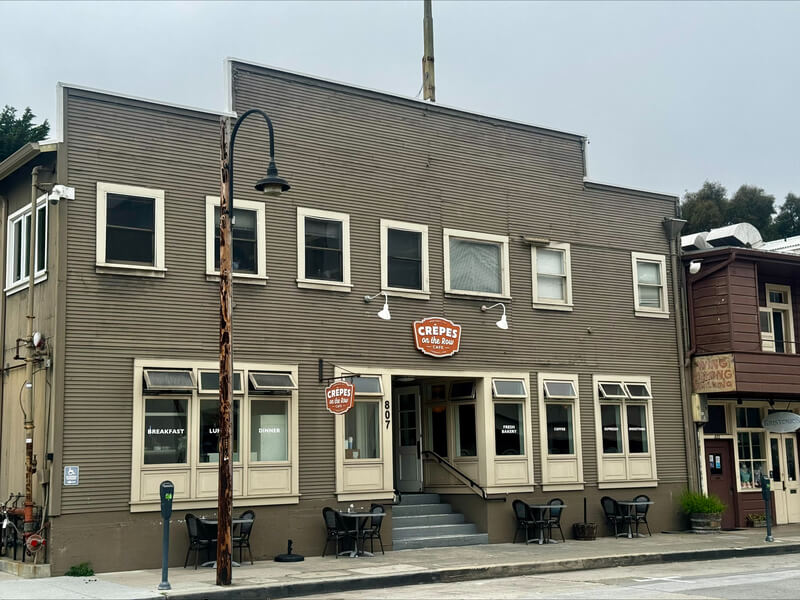
The Japanese added to the cultural identity of the Monterey Peninsula, including its fishing culture. The Japanese were willing to adapt and learn local customs, but not lose their identity or culture. The Nissei, or second-generation Japanese, were active in activities with peers throughout the area. Directly across from the JACL is Jack's Ballpark. Thomas highlights how important baseball was to the Japanese community, as well as to the Portuguese and Sicilian fishing communities, with families often exchanging food over the holidays and language on the ball field or out on the fishing boats.
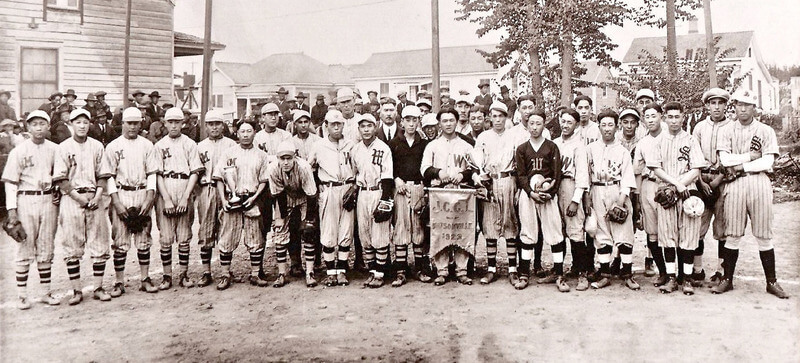
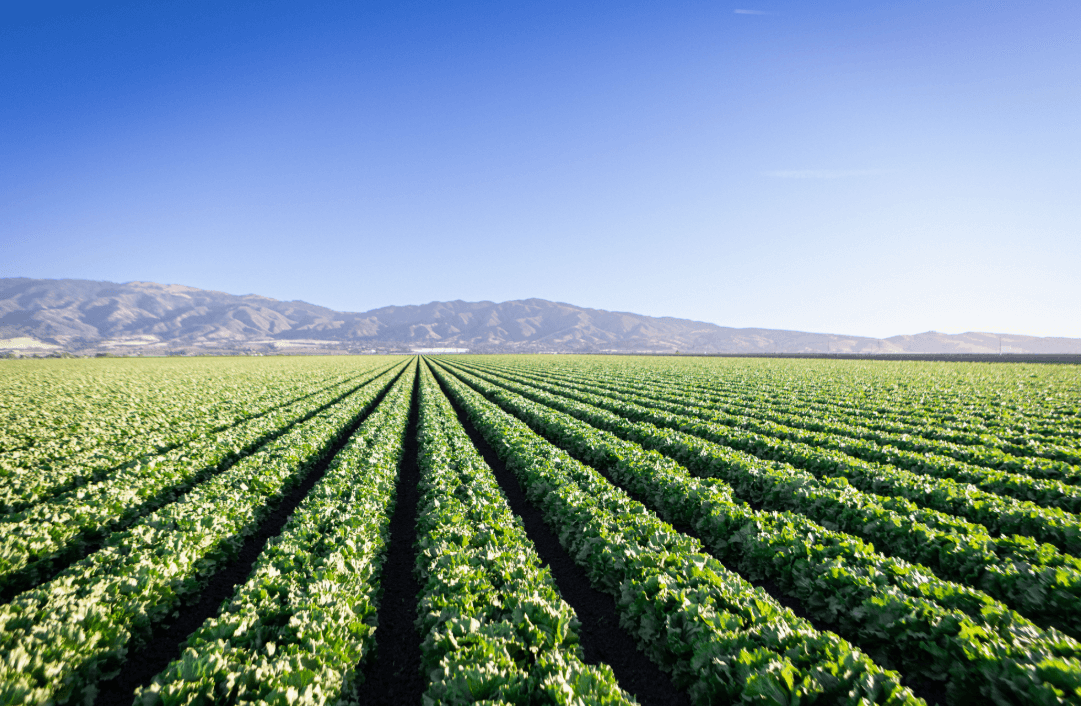
“Baseball was the universal language,” Thomas says. The Japanese Minato athletes were successful throughout the area. Thomas believes that the Japanese community succeeded through adopting Western clothing and integrating with the community while still celebrating their unique culture. The Japanese in the area were active in farming, cultivating strawberries, artichokes, lettuce, broccoli and celery.
The Japanese fish cutters' strike in May 1920 may have also led to the need to further organize the community. Fish cutting was a skilled job that many Japanese did as part of the Monterey fishing and canning industry. The fight for equal pay meant that no Japanese were hired for the 1920-1921 fishing season by the canneries. The 1924 Immigration Act had excluded further Japanese immigration into the U.S.
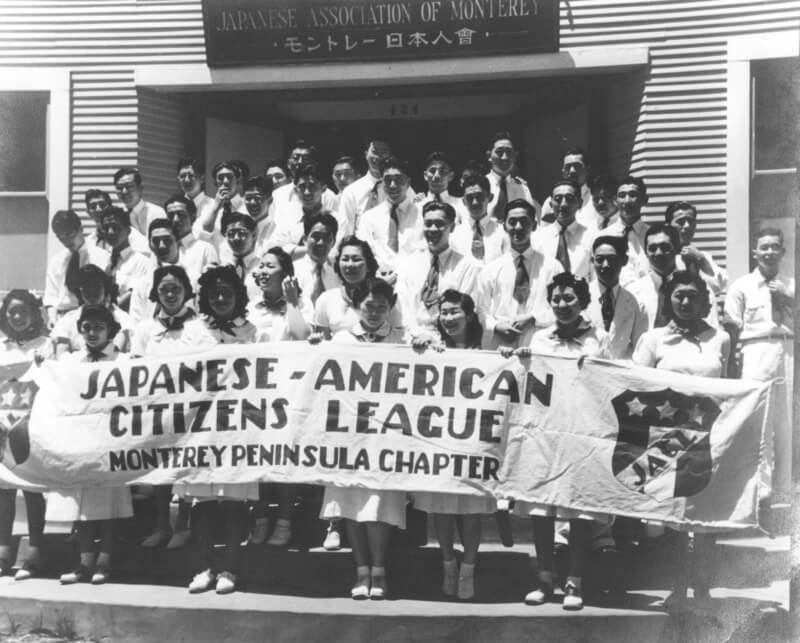
When the JACL building opened on May 2, 1926, the community celebrated with martial arts and dance. Thomas says, “The community was fascinated…imagine seeing martial arts and sumo wrestling in the 1920’s.” The site was built as a cultural center for the community, but also as a place for workers’ rights, legal help, special events and honoring culture and language.
In 1929, the national Japanese American Citizens League was created to advocate for civil rights for Japanese communities. Monterey’s JACL was the seventh chartered organization on January 25, 1932, and the building was renamed. The Monterey Japanese community later stitched a 40-foot-by-70-foot American flag, which they paraded every year on the Fourth of July. The flag was later donated to the Japanese American National Museum in Los Angeles. The Monterey Japanese community regularly displayed American flags to demonstrate patriotism and cultural assimilation.
With the bombing of Pearl Harbor during WWII, Executive Order 9066 was issued by President Roosevelt on February 19, 1942. Japanese were interned across the West Coast and lost their possessions and businesses across the state of California. At first, Exclusion Orders were issued for specific areas but rapidly expanded. Exclusion Order #15 was issued on April 23, 1942, for Monterey County; at that time, there were 1,578 Japanese detained in Monterey County. A temporary detention center was set up at the Salinas Rodeo – today, California Historical Landmark 934 marks the site. 3,594 Japanese from throughout the areas of Monterey, Santa Cruz, and San Benito Counties were sent to this detention center.
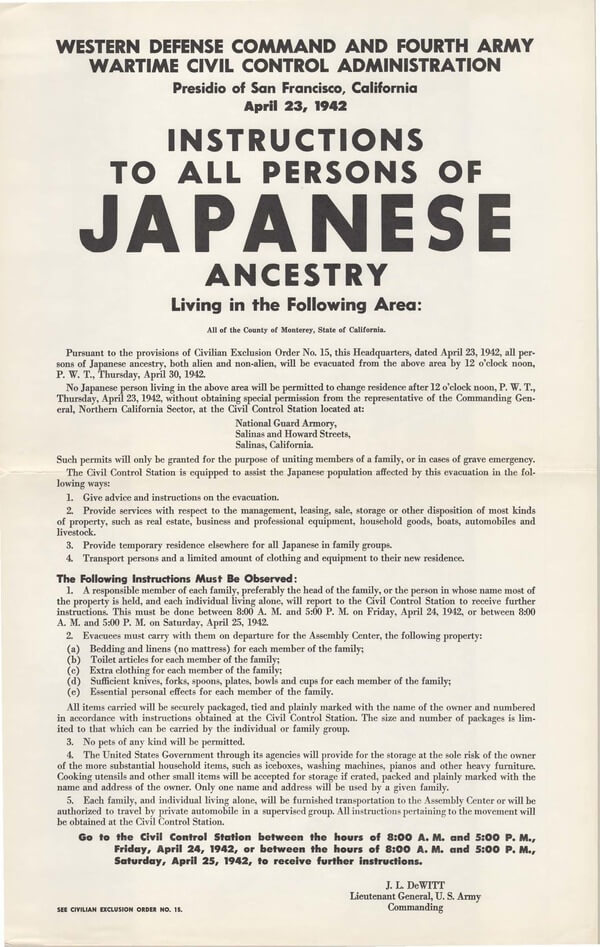
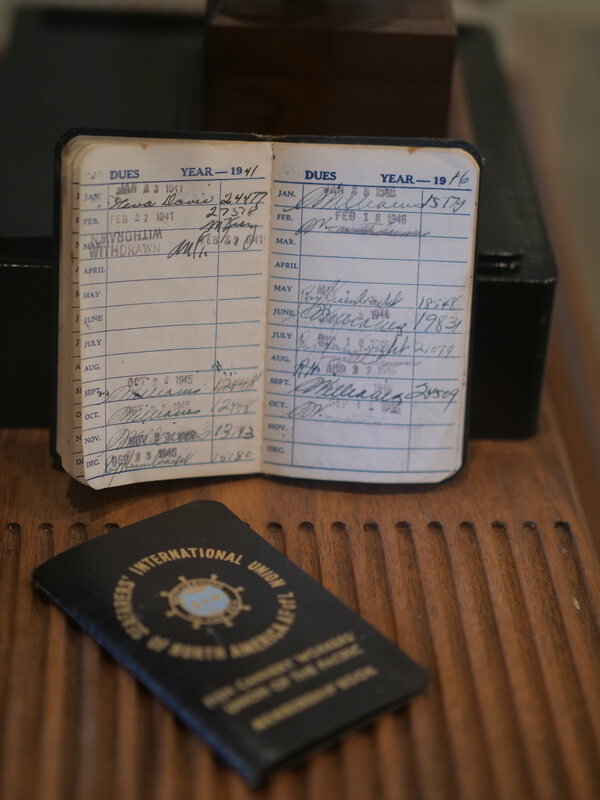
In April 1942, Oda’s father, Junichi Oda, moved to Clovis, California, because Exclusion Zone #15 was west of Highway 99. By July of 1942, all of California was added, and Oda’s father was taken to the Fresno County Jail before being sent to Sharp Park in San Francisco, Angel Island, and Lordsburg, New Mexico. Oda was born at an internment camp in Crystal City, Texas. During this period, many Japanese lost farms and fishing boats across Monterey County. When they returned from internment, many found their possessions and work had been taken over by others. Thomas highlights the union book of a Mr. Suzaki, a fisherman on the Monterey Peninsula. The gap between 1941 and 1945 on his union card indicates he served with the 442nd Regiment of the U.S. Army. Although many buildings were lost by the Japanese during WWII, the Japanese American Citizens League building is still in the hands of the Japanese community, with former Monterey mayor Carmel Martin holding the building in trust during WWII.
Explore More Sites
Today, you can still view the impact of the Japanese community in Monterey and attend community events at the JACL, a vibrant community space that hosts lectures, music, and amplifies Japanese culture for the area. Visit sites like Point Lobos to see one of the area's original fisheries while taking in the beauty. Explore businesses around Cannery Row and Fisherman’s Wharf to walk in the steps of the people who helped bring life to Monterey.
Brian Edwards
Brian Edwards is the Library & Museums Director for the City of Monterey. He focuses on preserving and sharing our cultural and historic resources for people today. He serves on the board of the Monterey State Historic Park Association and promotes events and information for early California. He has a background in studio art, storytelling, research and information sharing. He loves to share stories with residents and visitors throughout Monterey County.