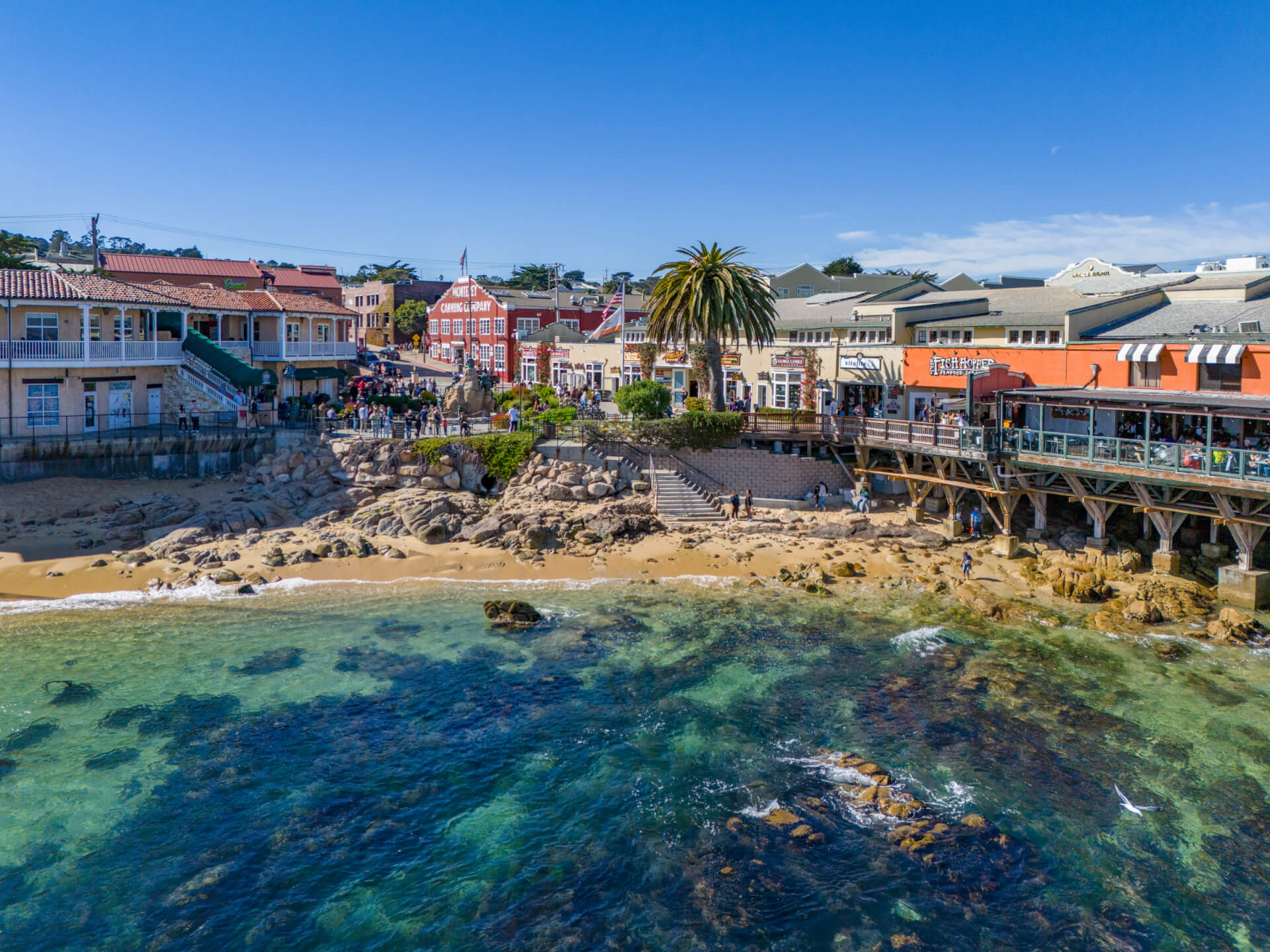






Inspired by America 250, Monterey 1000 broadens the lens to recognize histories that long predate the founding of the United States. Over the coming year, this ongoing series will explore those stories, starting with some of the earliest chapters and connecting them to what makes the destination distinctive today.

Vizcaíno had been appointed to lead the expedition by Gaspar de Zúñiga Acevedo Y Fonseca, who was the viceroy or territorial governor of New Spain. The reasons for the voyage included exploring the coast, examining the ports for pearls and creating maps of the region. Vizcaíno named the region in honor of the Zúñiga, who was also the count of Monterrey, Spain.
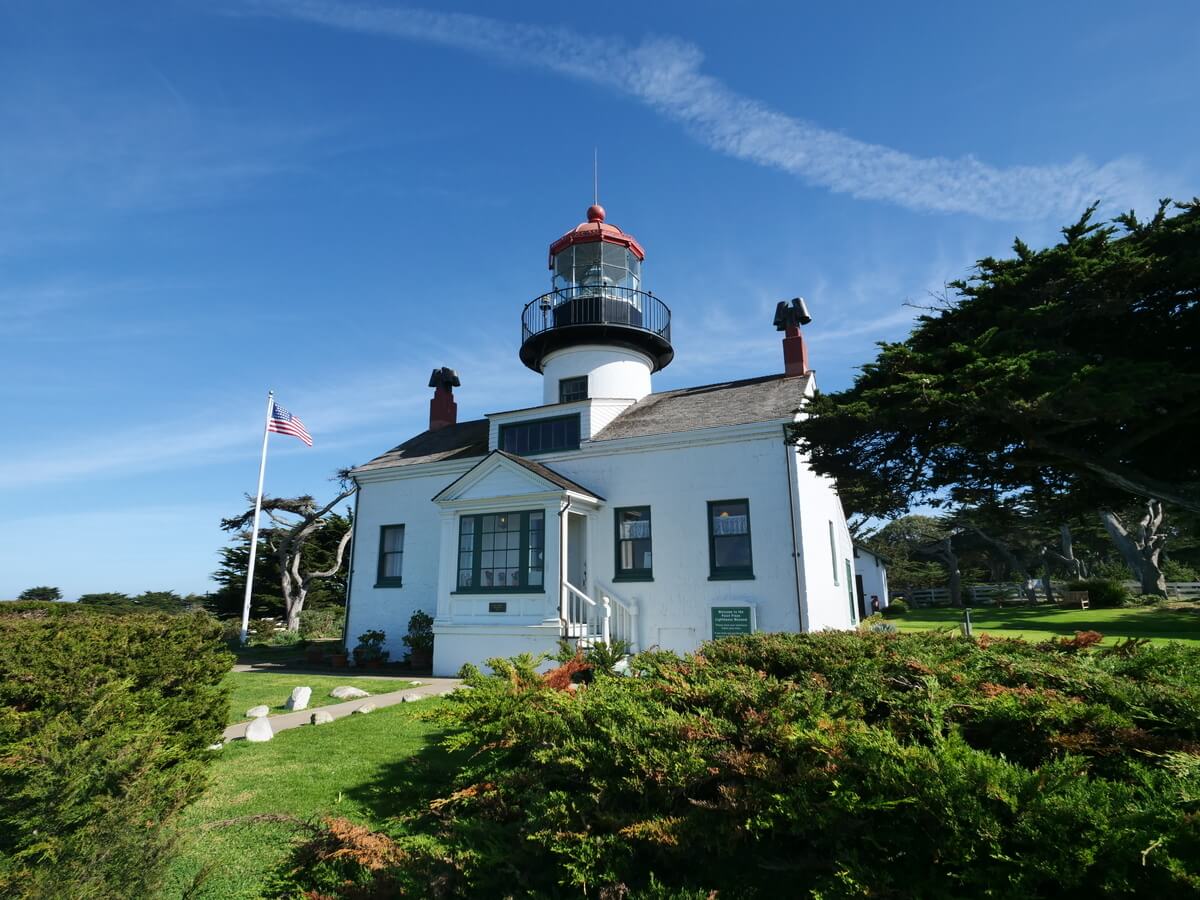
Sixty years earlier, the explorer Juan Rodriguez Cabrillo captained the first European expedition of what is now the west coast of the United States. Sailing from New Spain, which was Spain’s empire in North America, Cabrillo reached a point of land covered in pine trees and a large bay that he named “Cabo de Pinos” and “Bahía de los Pinos,” sites that are today believed to be Point Pinos in Pacific Grove and the Monterey Bay. But it was Vizcaíno’s glowing description of Monterey in 1602 that inspired the Spanish to establish a settlement here.
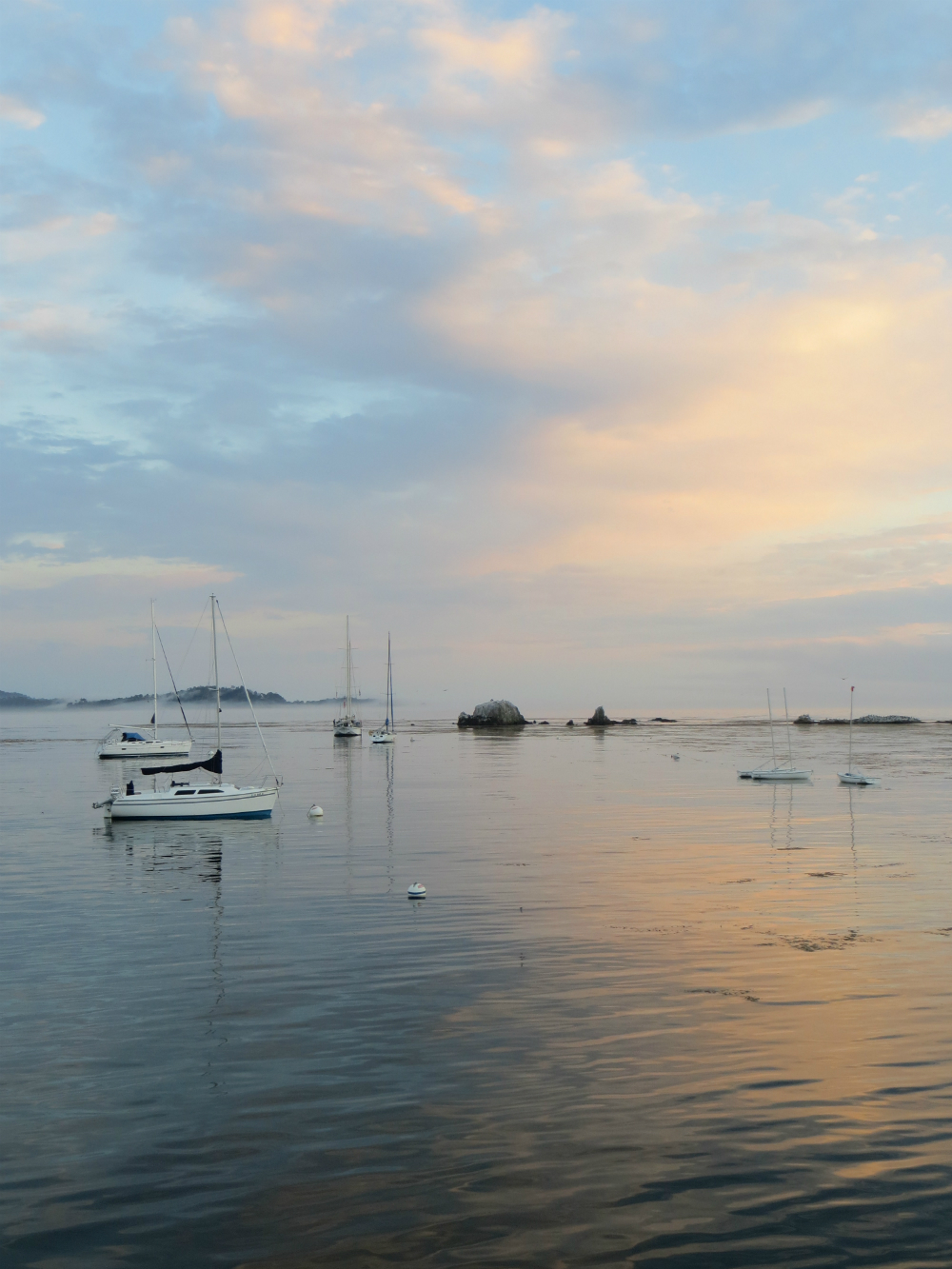
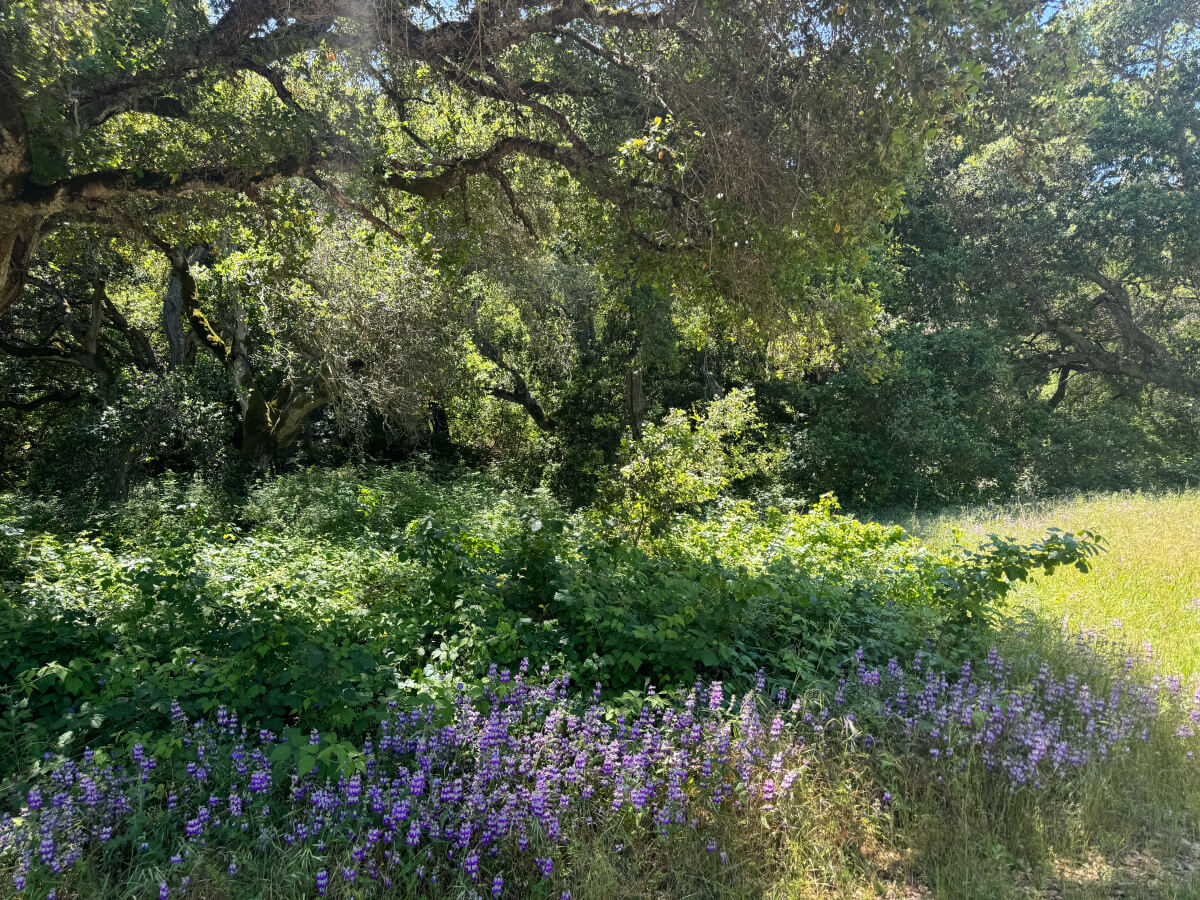
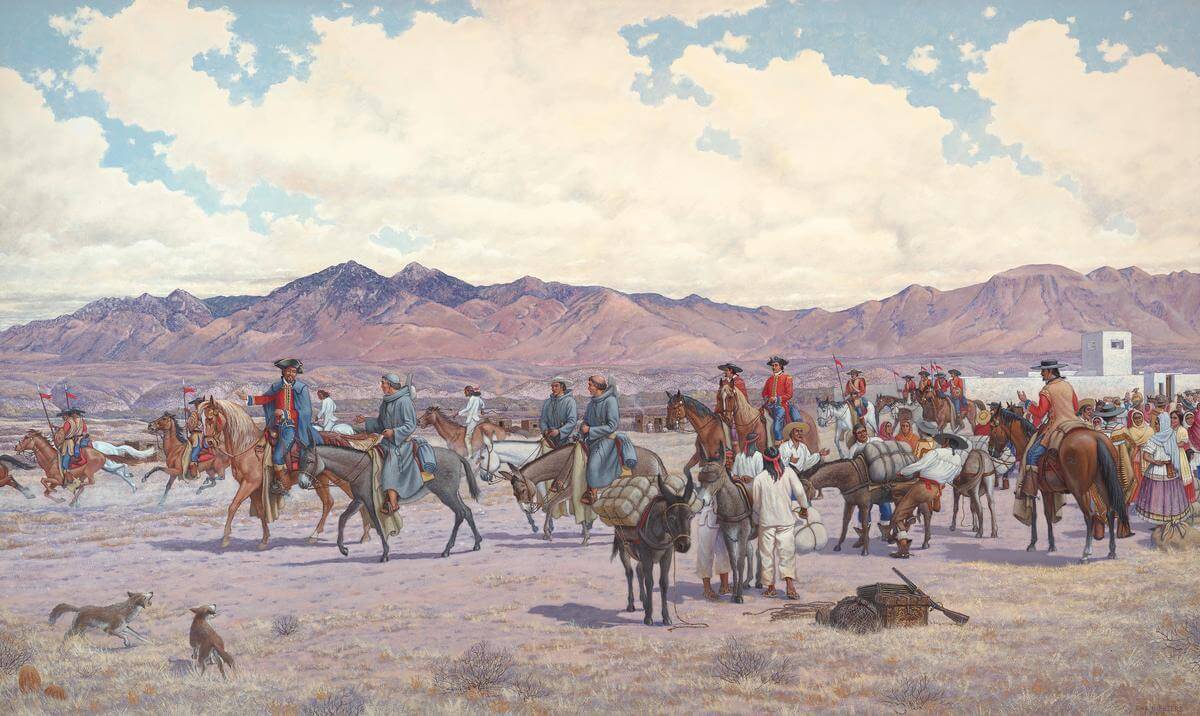
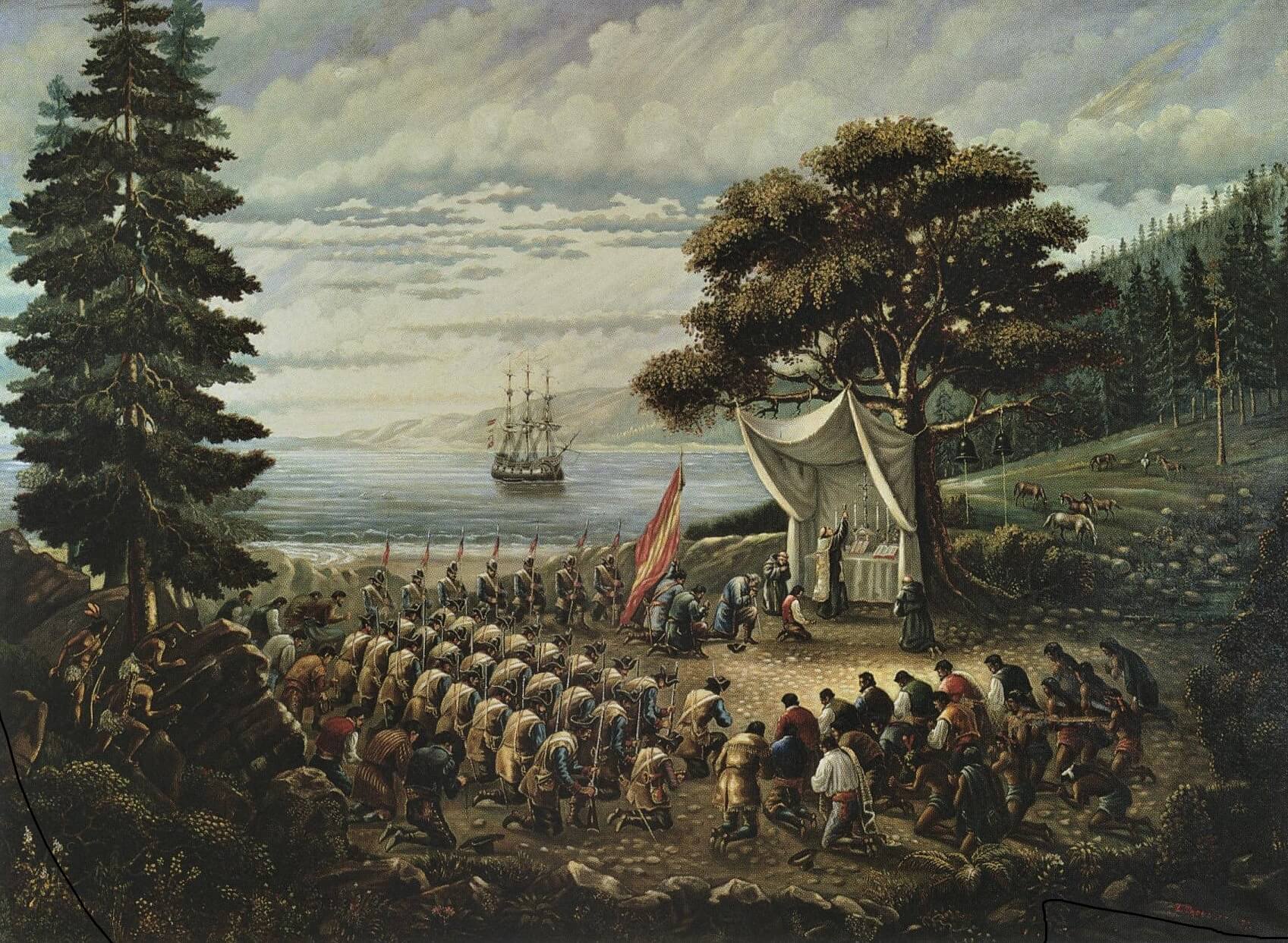
On June 3, 1770, expeditions led by Captain Gaspar de Portolá and Father Junípero Serra celebrated mass and founded Monterey under the same giant oak where Vizcaíno had held mass 168 years earlier. This event marked the beginning of the Spanish era of Monterey, which would continue until 1821, when New Spain secured its independence from Spain and became Mexico.
Now known as the “Vizcaíno Oak” or the “Vizcaíno-Serra Oak,” the oak tree where Monterey was founded in 1770 would have been considered a notable landmark, something like California’s Plymouth Rock, if it still stood along the coastline today. Unfortunately, the tree suffered a lightning strike in the 1840s, was knocked over during a construction project in 1904, and was unceremoniously tossed into the bay.
At the urging of the pastor of San Carlos Cathedral at the time, Ramón Mestres, local fishermen rescued the tree's remains. It was then preserved in crude oil and creosote and placed on a pedestal behind the cathedral, where it remained until 2007, when it was removed during a restoration.
Sections of the iconic oak can still be found on the Monterey Peninsula. A chunk can be found at the San Carlos Cathedral’s Heritage Center, and another piece is lodged within the altar of the cathedral. A lower branch of the tree can be found in the Carmel Mission Museum.
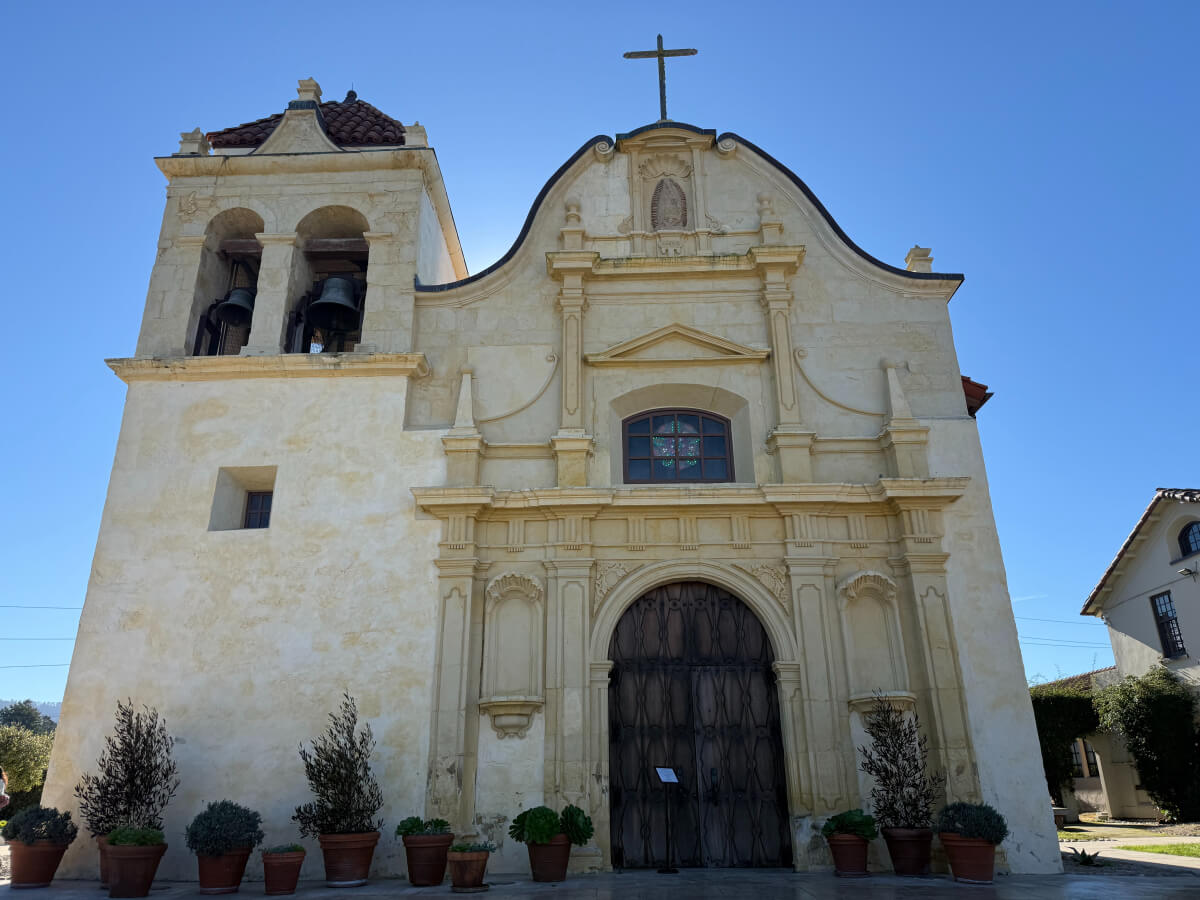
While the Spanish rule of Monterey lasted 51 years, there are only a handful of other remnants from that time to visit today. One of the most notable is the previously mentioned San Carlos Cathedral, also known as the Royal Presidio Chapel, which was built in 1794. It was the initial mission site for the area until Father Serra moved the mission to Carmel a year later. After the mission’s move, the San Carlos Cathedral became the place of worship for the Spanish soldiers. The cathedral is the oldest building in Monterey and the first stone-cut structure built in California.
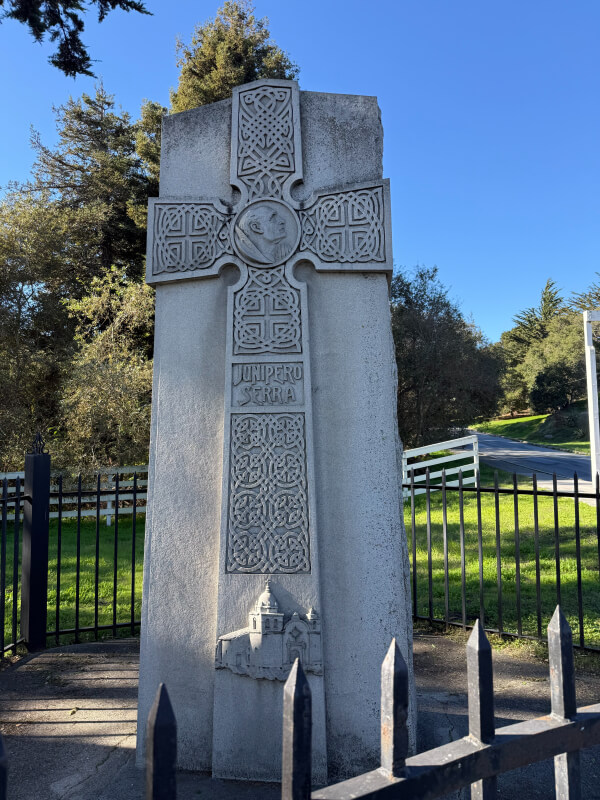
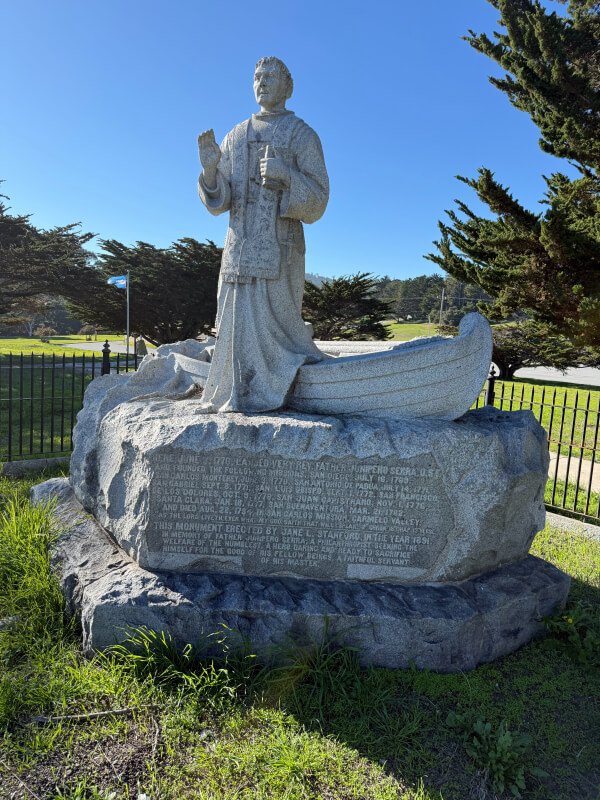
Another significant site from the Spanish era is the Serra Landing (Pacific Street and Artillery Street, Monterey), where an obelisk commemorates Serra’s arrival and a nearby stone and plaque honor Portolá’s founding of Monterey. It is believed to be near the former location of the Vizcaíno Oak.
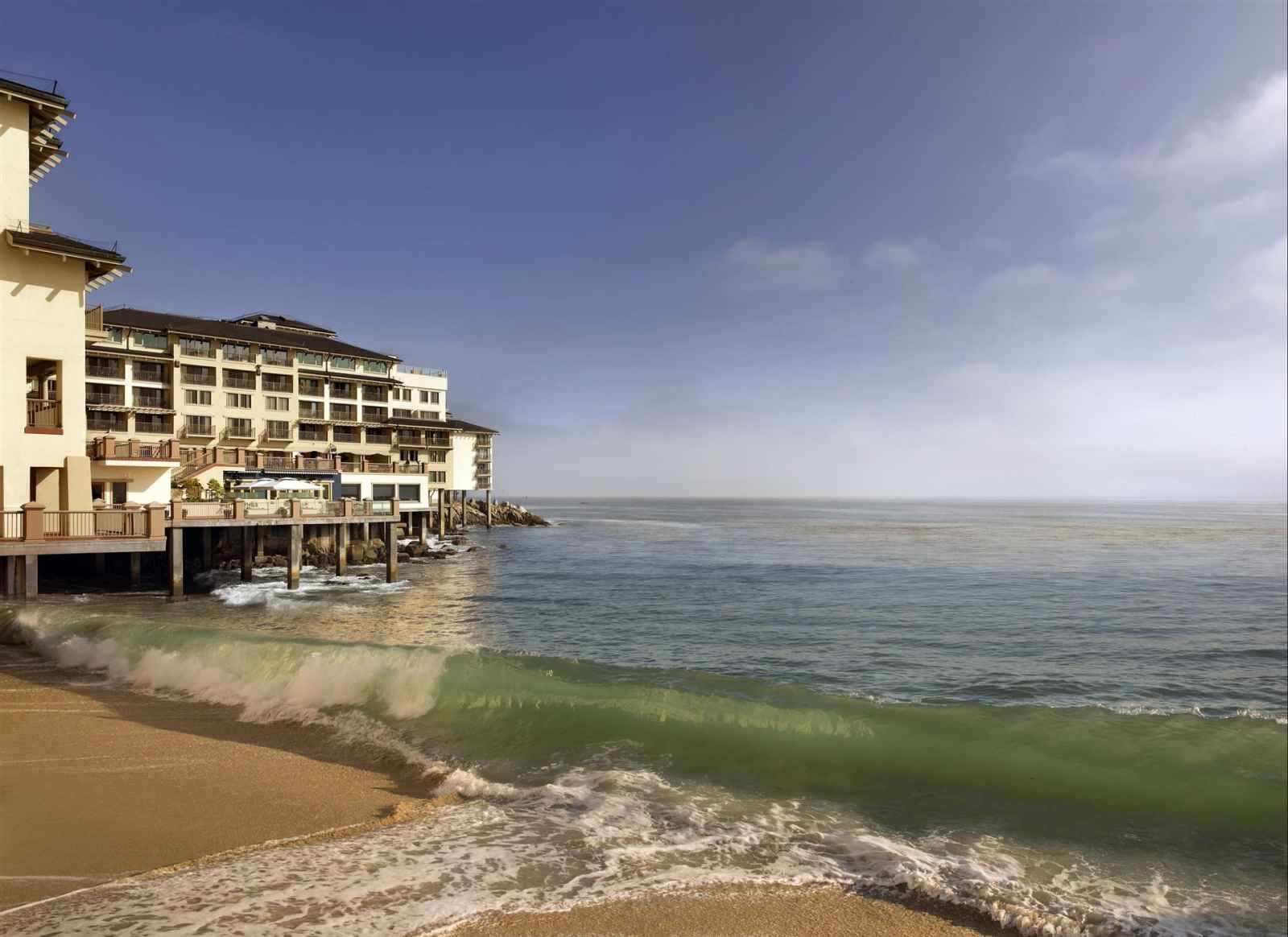
Just up the hill is El Castillo, or the former Spanish fort location within Lower Presidio Historic Park (Corporal Ewing Road, Monterey). Marked by an interpretive panel, a Spanish fortress was constructed at the site, which once had reinforced walls, barracks and seven to 10 cannons. Today, the location provides one of the best views of Monterey Harbor and a place to imagine Spanish frigates and galleons anchored just offshore.
Another option is to take the short 15-minute drive to the Carmel Mission in nearby Carmel-by-the-Sea. In addition to the section of the oak tree, the mission is home to the grave of Junípero Serra and a collection of books that is known as California’s first library. It is an important site in California’s history, located just a few blocks from Highway 1.
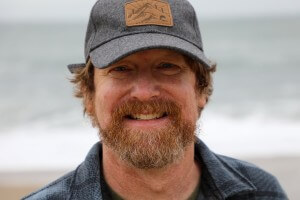
Stuart Thornton
While researching an edition of his Moon Monterey & Carmel Guidebook 10 years ago, Stuart Thornton took a guided history tour at Monterey State Historic Park. That one-hour walk opened his eyes to the richness of Monterey County’s past and inspired him to become a part of the interpretive crew at the park. These days, Stuart works as a Monterey State Historic Park Guide and authors Moon Travel Guides. He loves to find little-known stories from Monterey’s history to share with park visitors or to write about in various publications. To view more of Stuart’s writings, please visit www.stuartthornton.com.