






Inspired by America 250, Monterey 1000 broadens the lens to recognize histories that long predate the founding of the United States. Over the coming year, this ongoing series will explore those stories, starting with some of the earliest chapters and connecting them to what makes the destination distinctive today.
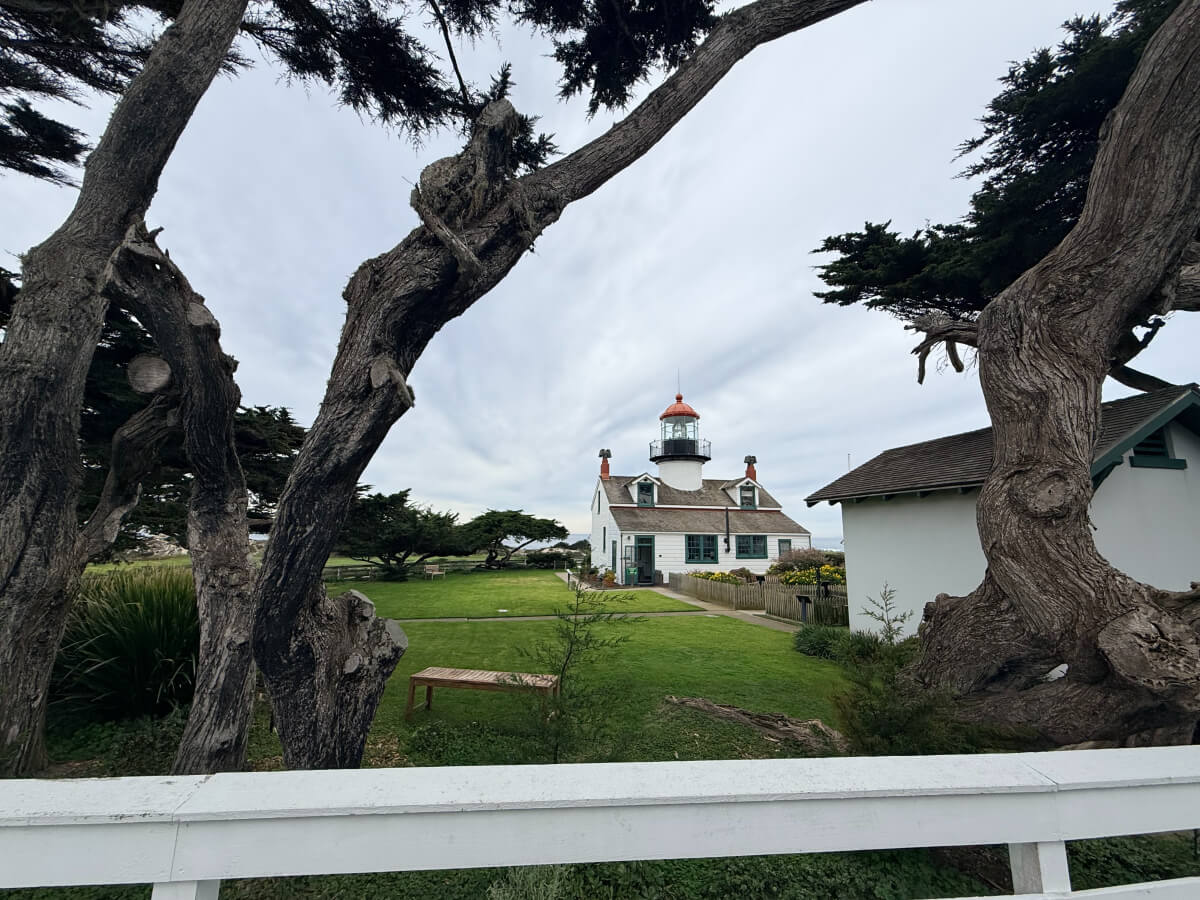
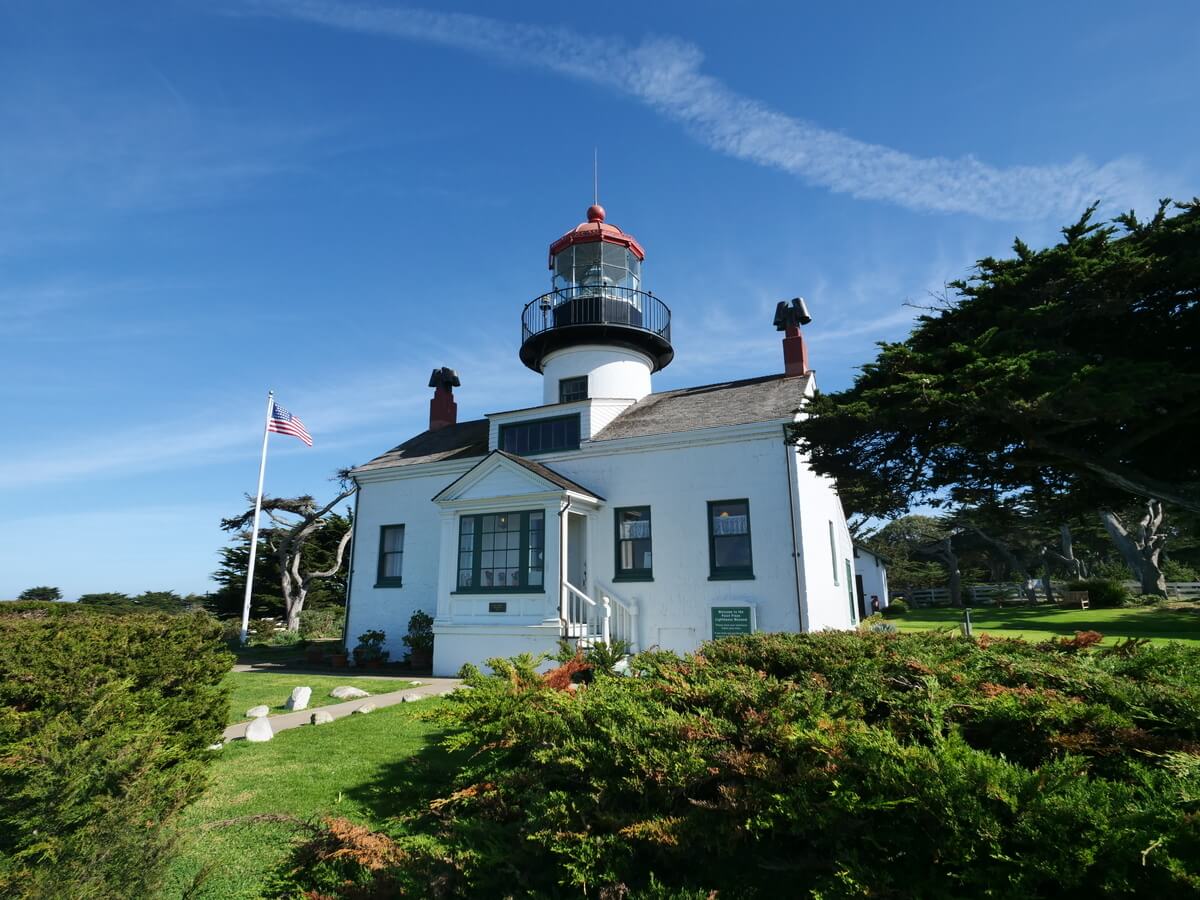
When the Point Pinos Lighthouse became operational in 1855, it was a grey granite outpost in a sea of sand, twisted trees and howling wind. Grizzly bears were known to stumble through the grounds, and provisions were brought to the facility by a mule-drawn wagon that took almost a full day to plow through the sands and windswept terrain from Monterey to the light station.
Keeping the remote light lit for passing mariners and tending to the near constant upkeep of the buildings was considered a man’s job until Charlotte Layton took over as Principal Keeper in 1856, following the death of her husband, Charles Layton, who had been the lighthouse’s first keeper. Charles had been shot and killed after being a member of a posse that was attempting to apprehend the famed bandit Anastacio Garcia. With four children, Charlotte took the position to support her family following her husband’s death.
With her historic appointment, Charlotte became the first female lighthouse keeper on the West Coast in 1855. She held the position for two years and earned $1,000 annually. In 1860, Charlotte married George Chase Harris, and Harris took over as Principal Keeper later that year. They stayed at the facility for three more years before moving to Monterey. Unfortunately, Charlotte left no journals, no letters, no diaries and no keeper’s log for people to get a feel for her tenure.
Nancy McDowell is the docent coordinator for the City of Pacific Grove and works with the army of volunteers who maintain and operate the lighthouse today. She believes that Charlotte was the most impressive of the 15 lighthouse keepers who worked at Point Pinos from 1855 until 1956. “The hardships of getting here and taking care of four children, I just think all of that would have been tough,” McDowell says.
While Charlotte Layton became a lighthouse keeper by necessity, Emily Fish became a keeper by choice. “Emily was employed in 1893, maybe with her son-in-law’s help, right before Pacific Grove became incorporated in 1889,” McDowell says. “Her son-in-law inspected lighthouses for the Navy. She was 50 years-old and a widow, with travel and social experiences that may have helped her transition to a different lifestyle. Her servant Que was probably a big help, along with laborers when needed. She was honored with a star award by the inspector for her efficiency.”
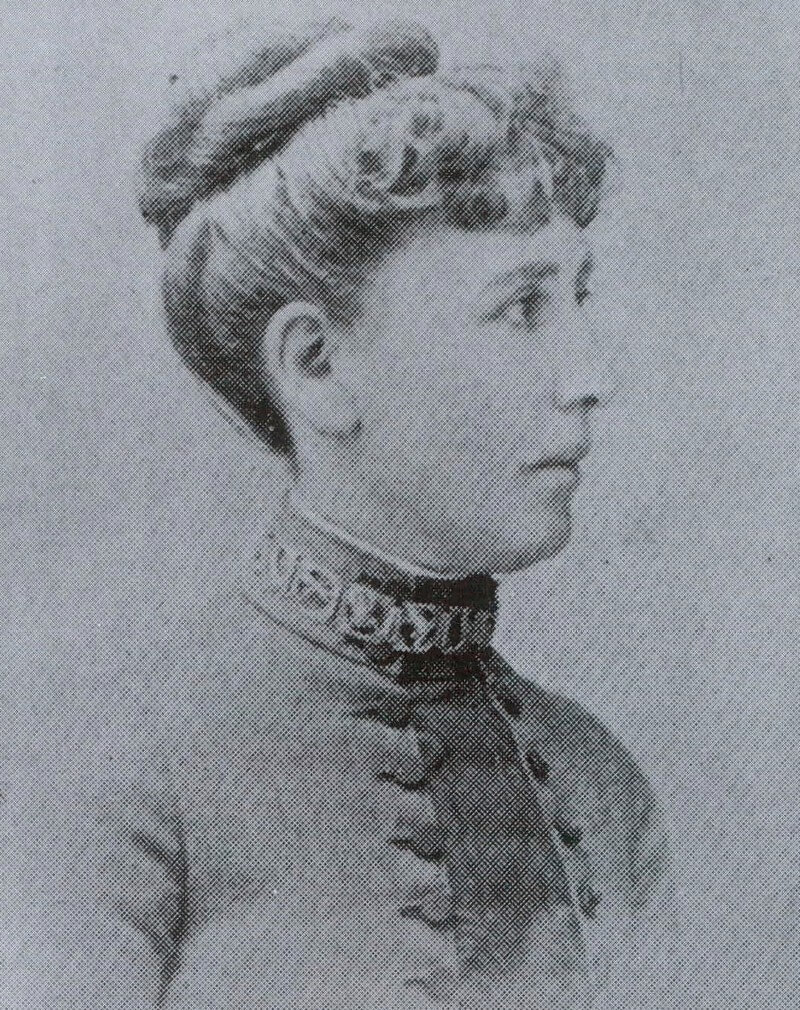
Credit: Monterey Public Library
Fish brought refinement and culture to the formerly Spartan lightkeeper facilities. When she moved in, Fish brought furniture, paintings and silver to her new home. She also set about transforming the surrounding dunes by beautifying the grounds with flowers, hedges, trees and fountains.
Today, Fish is known as the “Socialite Keeper.” She was known to host small dinners with guests, including Naval officers, as well as local artists and writers.
One of her most exciting (and probably scary) days as keeper came early in the morning on April 18, 1906, when a 7.9 magnitude earthquake struck San Francisco and severely shook Pacific Grove and the rest of the Monterey Peninsula. “At 5:13 a.m., violent and continued earthquake shocks, jarring the lens so that it is movable, also enlarged the crack in the tower and coping,” Fish wrote in her log. “The jarring of the damper caused the flame to run up; this was quickly controlled.”
The lens, lantern room and tower were damaged by the quake. The tower was rebuilt with reinforced concrete, and the light was inoperable until August.
Fish’s influence on the Monterey Peninsula was felt on the grounds of the light station, too. She convinced some friends to found the Monterey-Pacific Grove Chapter of the American Red Cross and then served on its first executive committee. She was also the chairwoman of the Ladies Welcoming Committee for the 50th anniversary of Sloat’s Landing, an event celebrating the 1846 takeover of Monterey by the U.S. Navy.
In 1914, after 21 years of service at Point Pinos, Fish retired and moved to Pacific Grove. The last family that lived at the lighthouse moved out in 1956 then the light became fully automated in 1975.
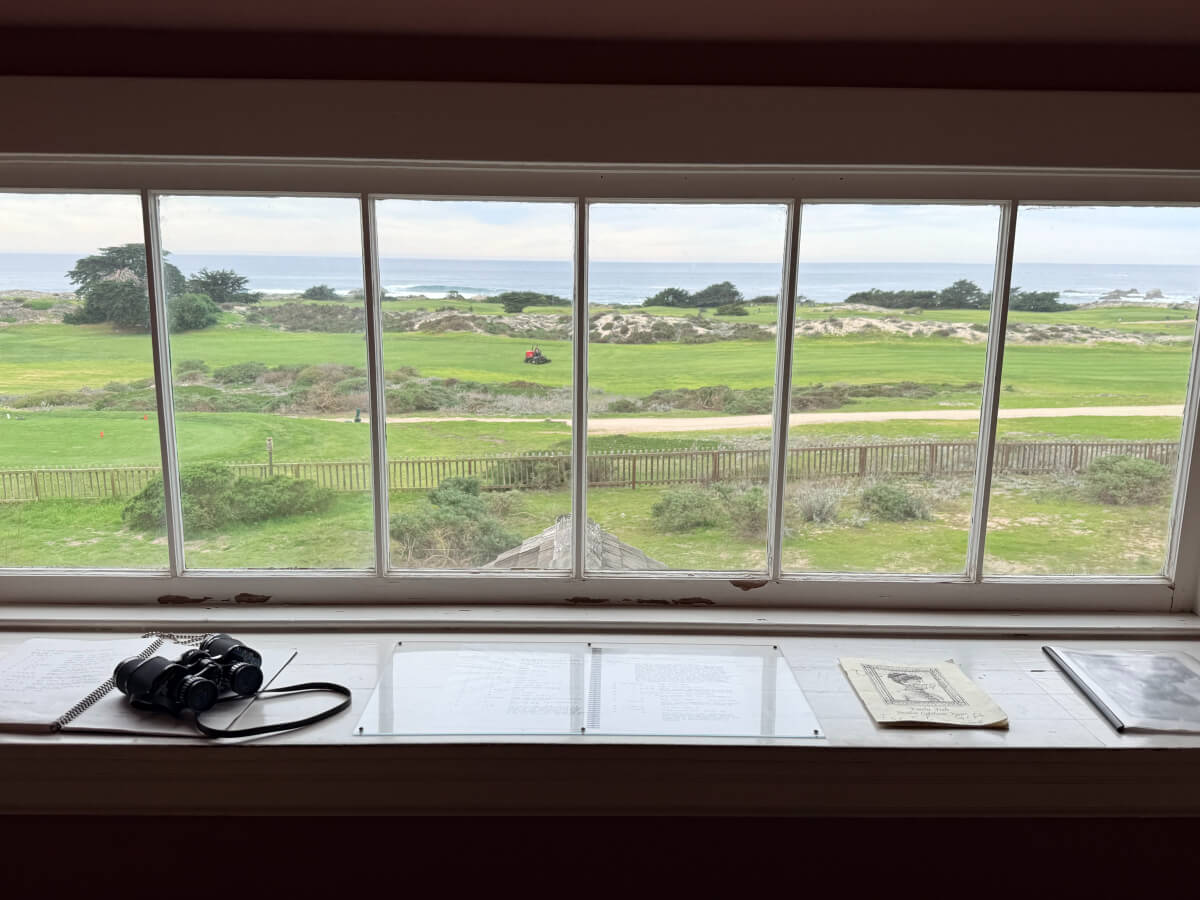
Now owned by the City of Pacific Grove, it is used as a museum, staffed by around 30 volunteer docents. Though McDowell is quick to admit that “we have nothing here that belonged to any lighthouse keeper,” the building’s parlor and one bedroom are decorated with Victorian furnishings to represent Fish’s time at Point Pinos.
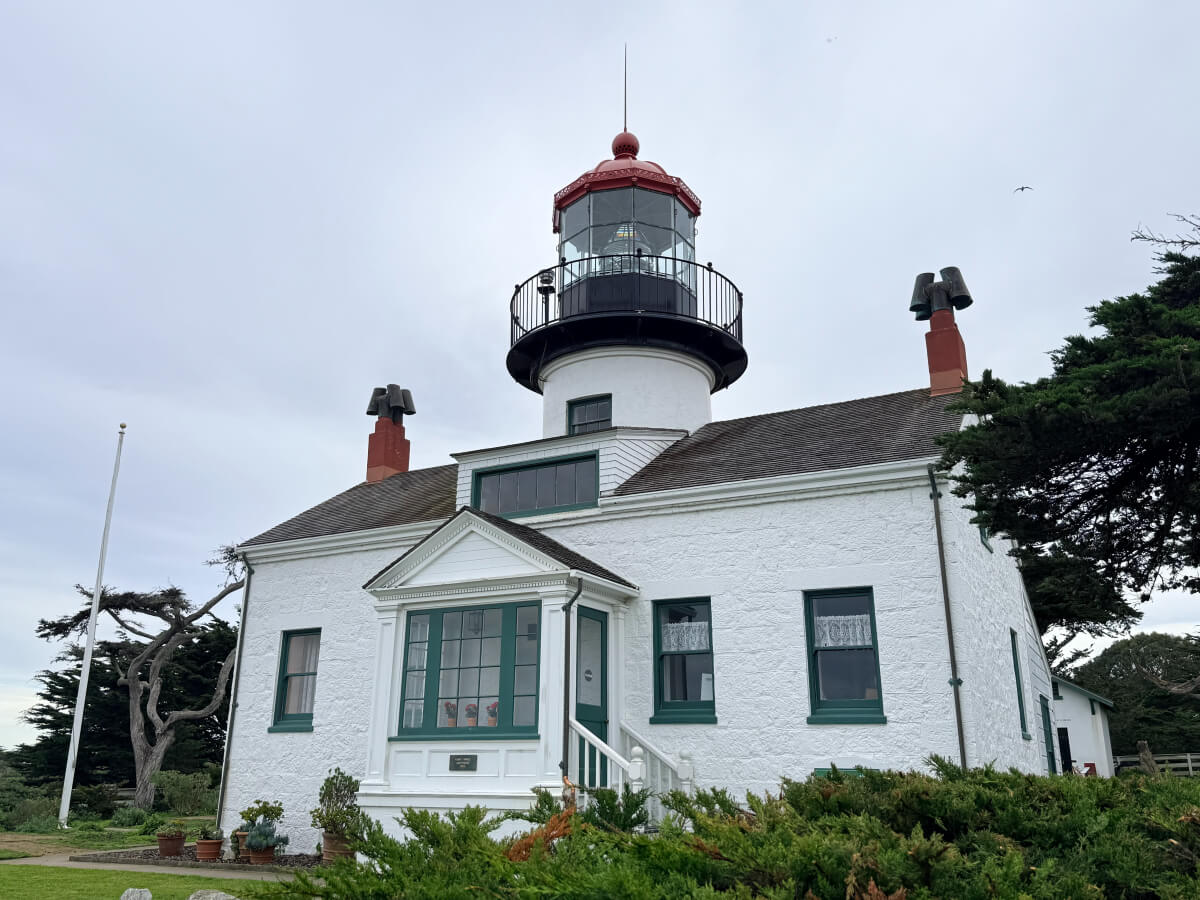
The lighthouse is still active with a 200-watt LED lamp in the lens that sends a beam out into the bay for 17 miles. It is also a beacon that shines light on the impressive lives of two groundbreaking women.
Visit Point Pinos Lighthouse
Point Pinos Lighthouse is open on Thursdays and Fridays from 1 p.m. to 3 p.m. and Saturdays and Sundays from 11 a.m. to 3 p.m. Admission is $7 for adults, $3 for children (7-17) and free for children under 7.

Stuart Thornton
While researching an edition of his Moon Monterey & Carmel Guidebook 10 years ago, Stuart Thornton took a guided history tour at Monterey State Historic Park. That one-hour walk opened his eyes to the richness of Monterey County’s past and inspired him to become a part of the interpretive crew at the park. These days, Stuart works as a Monterey State Historic Park Guide and authors Moon Travel Guides. He loves to find little-known stories from Monterey’s history to share with park visitors or to write about in various publications. To view more of Stuart’s writings, please visit www.stuartthornton.com.