







Discover the landscapes, stories & places that inspired John Steinbeck’s American classic
The sweeping landscapes of Monterey County have long inspired storytellers, and few works are as deeply connected to place as John Steinbeck’s East of Eden is to the Salinas Valley. Published in 1952, East of Eden was referred to by Steinbeck as his magnum opus, his "greatest work." Steinbeck famously called the novel "a sort of autobiography of the Salinas Valley," weaving the history of his mother's family, the Hamiltons, with the fictional Trask family to explore universal themes of good and evil.
As a new 2026 Netflix adaptation of East of Eden brings this powerful story back to the forefront, visitors today can explore the real-life California landscapes that ground this epic family saga, from the streets of his hometown of Salinas to the wide-open agricultural landscape of the Salinas Valley, which Steinbeck knew from childhood.

See the Salinas Valley Through Steinbeck’s Eyes
The landscape is central to East of Eden. Its fields, mountains, weather, and working agricultural communities give the story a distinct sense of place, one that visitors can still experience throughout the Salinas Valley today.
Known as the “Salad Bowl of the World,” the valley stretches between the Santa Lucia and Gabilan mountain ranges, with farmland, vineyards, and small communities spread across its length.
The landscape has changed in some places, but much of the valley retains the agricultural character that Steinbeck knew. Drive through the region, and you'll see the same broad valley, mountain ranges, and working lands that helped shape his imagination.
Start in Salinas

Begin at the National Steinbeck Center, where exhibits explore the author's life, writing, and connection to the Salinas Valley. From there, walk through Oldtown Salinas and visit the Steinbeck House, the Queen Anne-style Victorian where Steinbeck was born and spent his boyhood. Built in 1897, the home is on the National Register of Historic Places and, since 1974, has been a restaurant and gift shop you can still visit today.
Stop in Spreckels
Continue south from Salinas to Spreckels, the historic company town where Steinbeck worked in the early 1920s at the massive Spreckels sugar factory. The small community offers a glimpse into the agricultural world that surrounded Steinbeck during his formative years and later informed works including East of Eden and Of Mice and Men.
Follow River Road into Wine Country
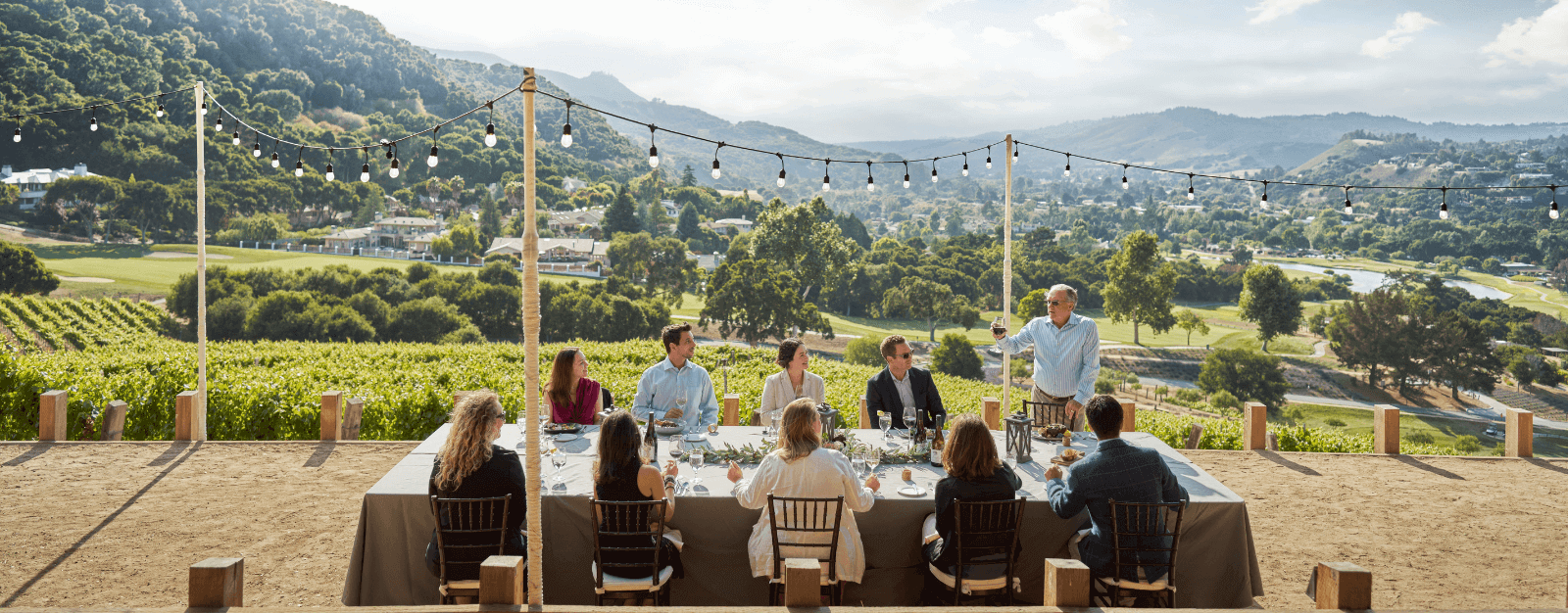
From Spreckels, continue toward the Santa Lucia Highlands and the Monterey Wine Trail, where vineyards meet the western edge of the Salinas Valley. Here, wine tasting becomes another way to experience the landscape, with vineyard views stretching toward the mountains and the valley floor.
Stop at a tasting room such as Odonata Wines, Rustique Wines, Puma Road Winery, and Wrath Wines, depending on your itinerary and current tasting availability.
The route also makes a natural transition from Steinbeck’s agricultural Salinas Valley toward the rugged Gabilan landscape surrounding Pinnacles National Park.
Continue Toward Pinnacles National Park
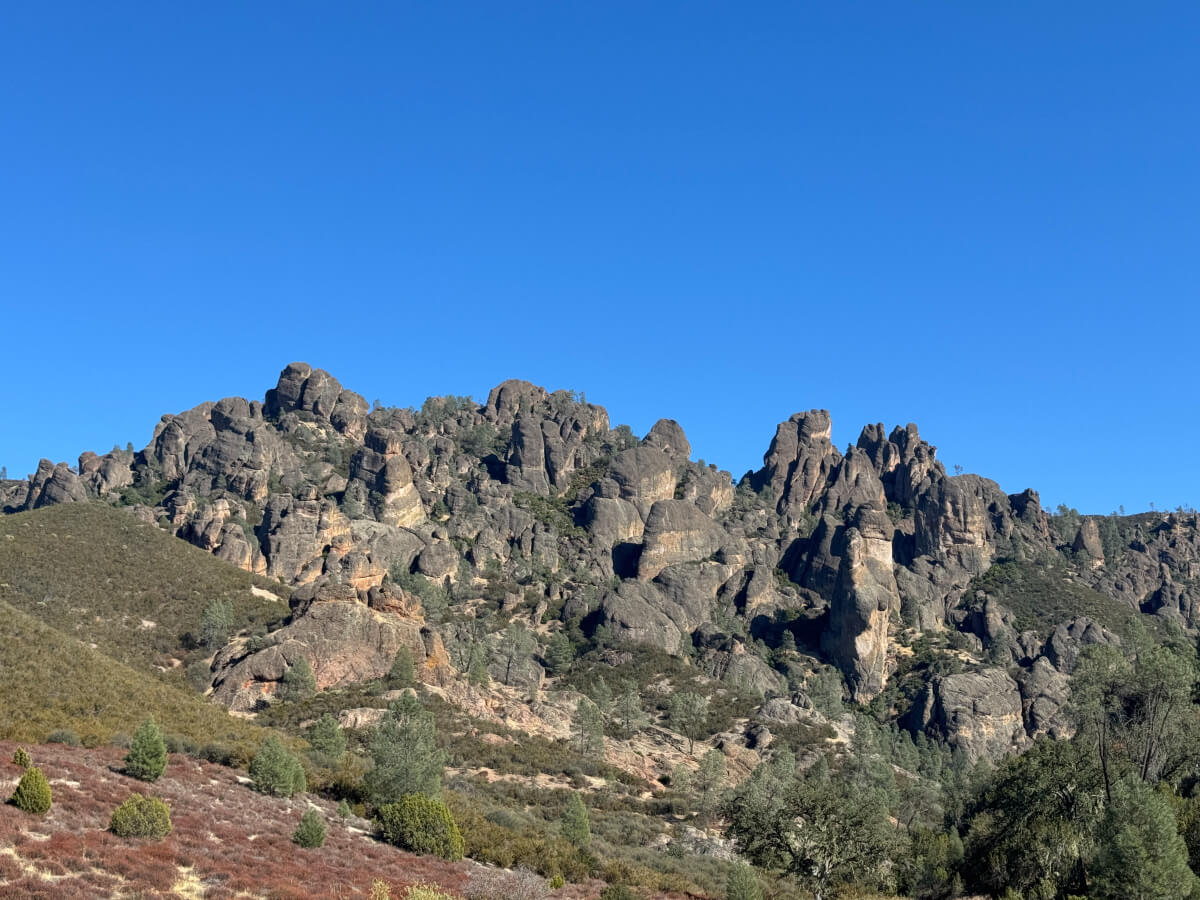
For an even closer look at the rugged landscape beyond the valley floor, head east toward Pinnacles National Park. Towering rock formations, chaparral-covered hills, and the Gabilan Mountains create a dramatic contrast to the cultivated fields below.
Pinnacles makes a natural extension of a Steinbeck-inspired Salinas Valley day when entering from Monterey County's West Gate, particularly when paired with a wine-country stop along River Road's Monterey Wine Trail. Hike among the park's distinctive rock formations, explore its caves, and keep an eye out for California condors soaring overhead.
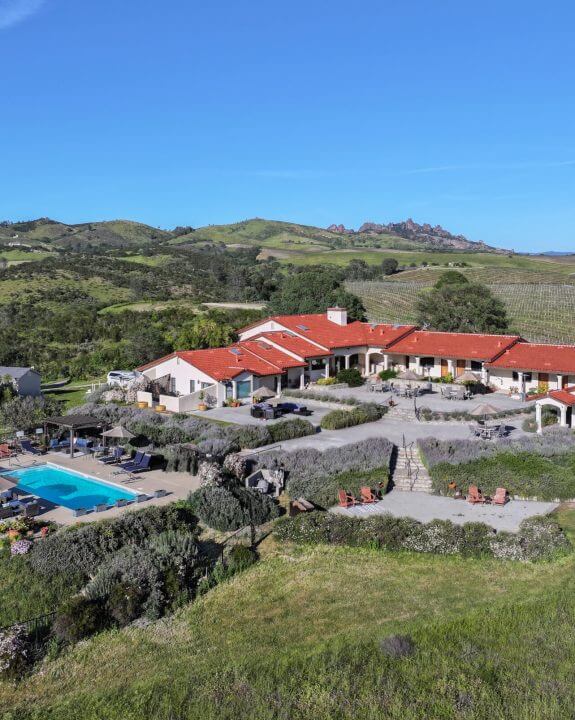
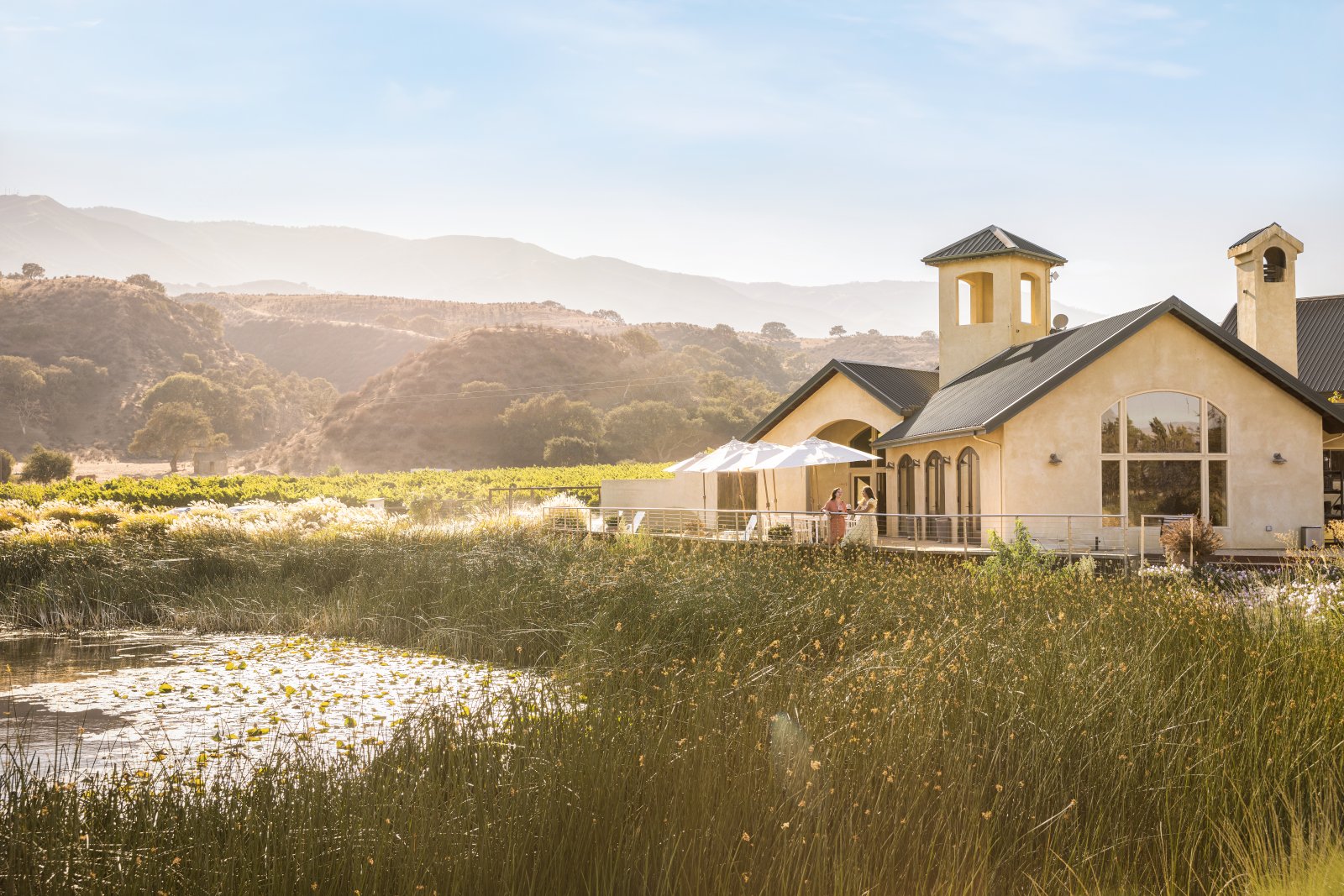
Turn a day trip into an overnight escape at the Inn at Pinnacles, a vineyard retreat in the Gabilan Mountains just outside the park’s West Entrance. Surrounded by open landscape and vineyards, the inn offers a peaceful place to stay after exploring Pinnacles, and another opportunity to experience the rural landscape that gives this part of Monterey County its distinctive character.
From Salinas to Monterey
Steinbeck’s connection to Monterey County extends beyond East of Eden. The Monterey Peninsula became the setting for some of his best-known works, including Cannery Row and The Pearl.
Cannery Row

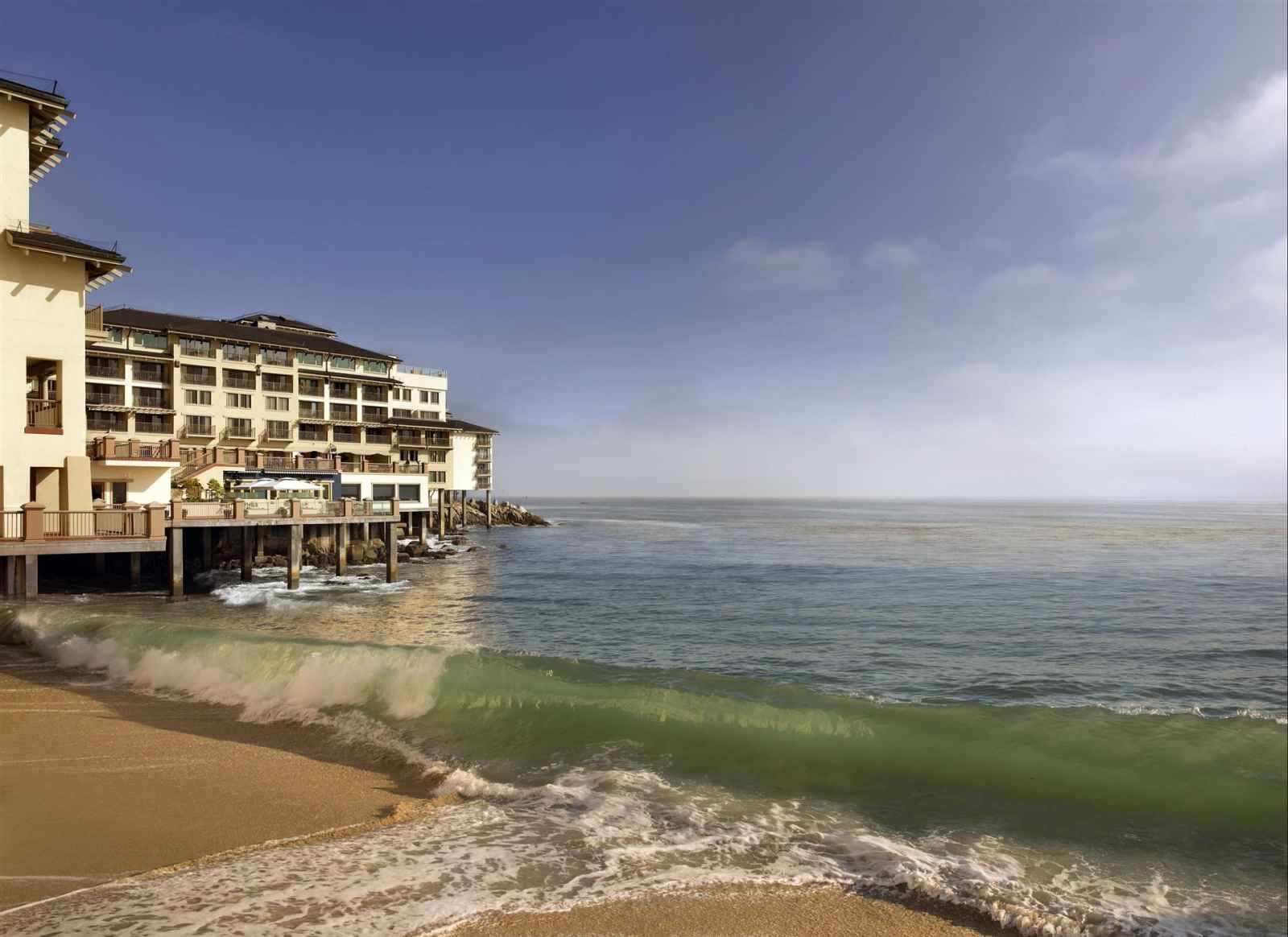
Walk along historic Cannery Row and explore the Monterey waterfront immortalized by Steinbeck. Once lined with sardine canneries, the street Steinbeck knew has evolved into a vibrant waterfront destination while retaining connections to its literary past.
Lara-Soto Adobe
Located along Monterey’s historic Path of History, the Lara-Soto Adobe was once home to Steinbeck. While living there, he completed Cannery Row and wrote The Pearl.
Monterey
Continue exploring Steinbeck’s Monterey through the places, waterfront, and historic neighborhoods that inspired his stories. The Monterey Peninsula offers another perspective on the author’s connection to the region and the communities he knew.
Read It. Watch It. See It for Yourself.
Whether East of Eden is an old favorite or your introduction to Steinbeck, there’s no substitute for experiencing the landscape that inspired the story.
Read the original novel. Watch the new Netflix adaptation. Then come to Monterey County to see the Salinas Valley for yourself, explore Steinbeck’s hometown, stop along the Monterey Wine Trail, hike at Pinnacles National Park, taste wines grown throughout the valley, and discover the Monterey places woven throughout his life and work.