






Inspired by America 250, Monterey 1000 broadens the lens to recognize histories that long predate the founding of the United States. Over the coming year, this ongoing series will explore those stories, starting with some of the earliest chapters and connecting them to what makes the destination distinctive today.
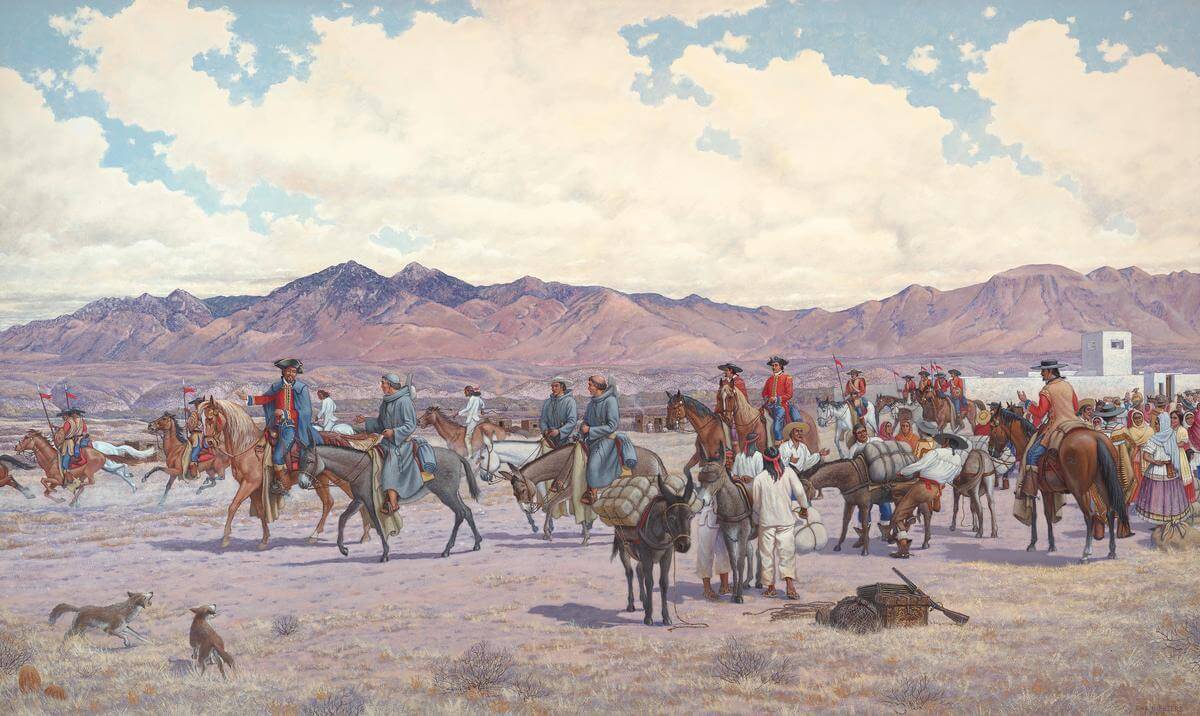
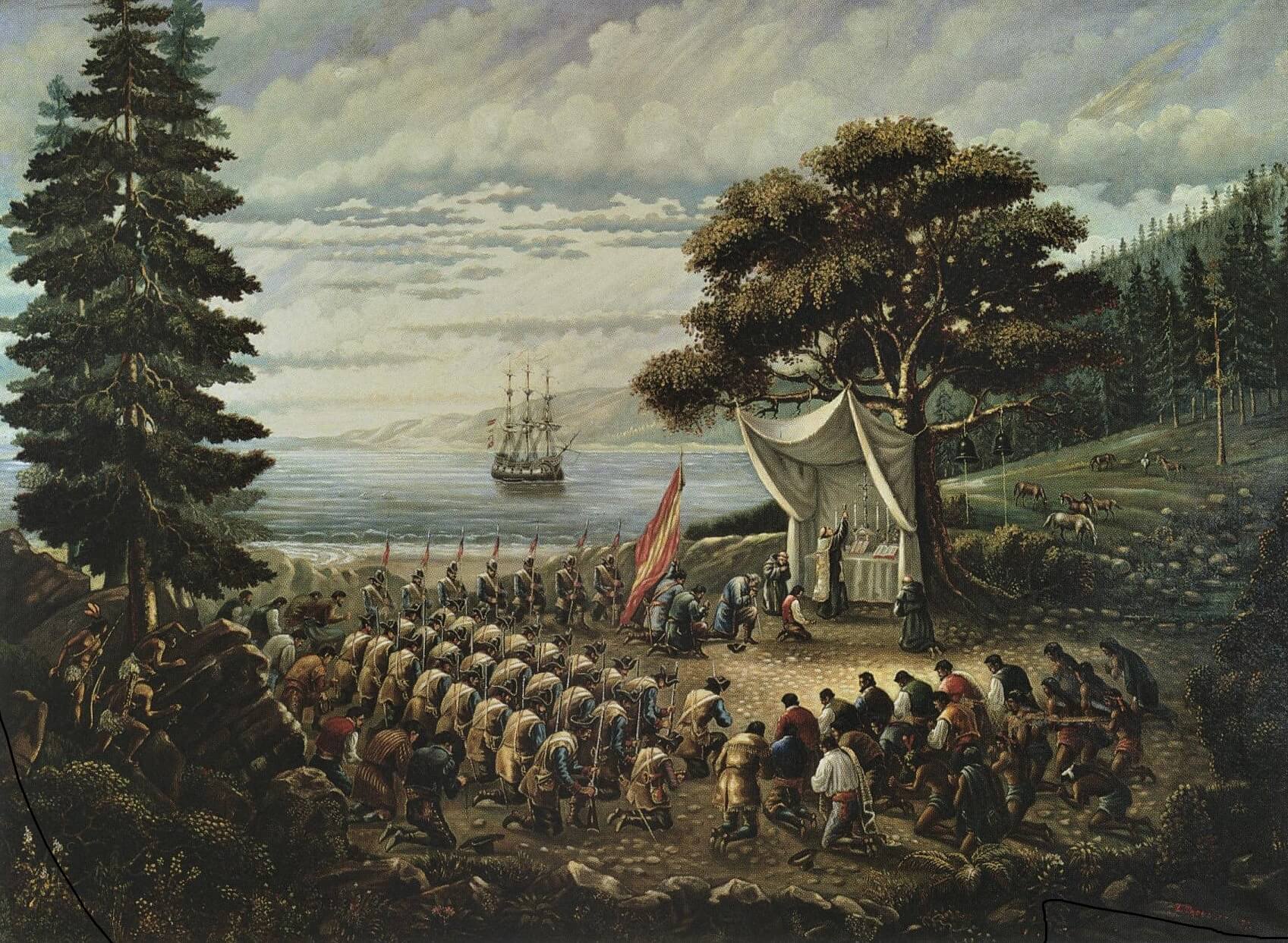
Hospitality has deep roots in Monterey County, stretching back to 1769 with the establishment of the California Mission system. Spanish missionaries created a network of 21 religious outposts connected by a rugged overland route that would later become known as El Camino Real. Today, that path is commemorated by the iconic bell markers that trace California’s early travel corridor. This set an early foundation of welcoming and hosting travelers in the region.
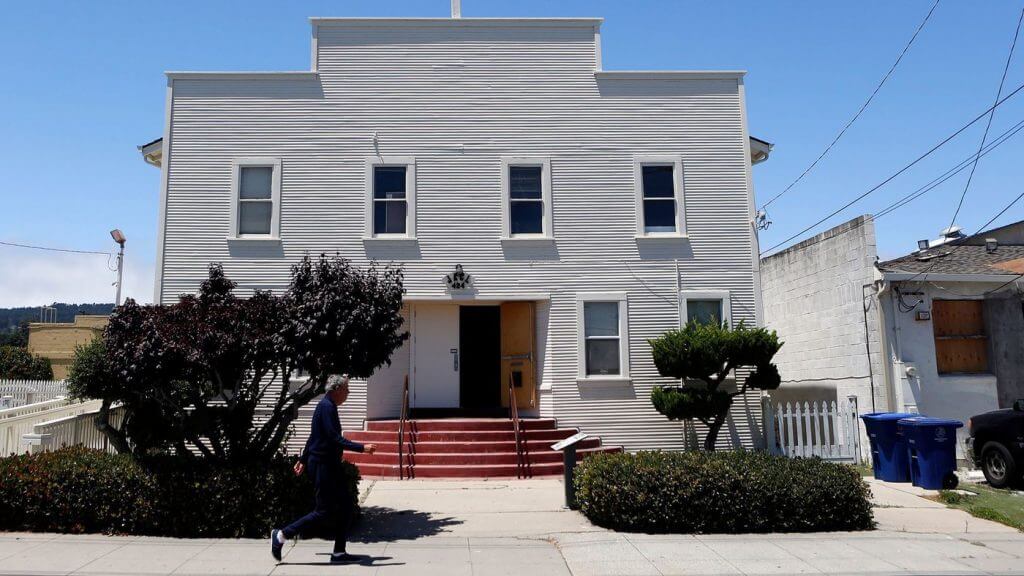
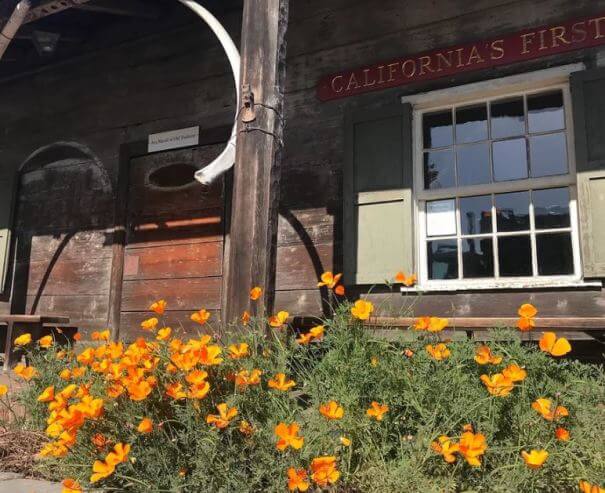
By the mid-19th century, Monterey was already evolving into a destination for visitors arriving by sea. In 1845, the First Theatre was constructed at the corner of Pacific and Scott Streets. Originally a boarding house and tavern serving sailors, it soon expanded to include a theater in 1847. With seating for 200 guests, it hosted California’s first paid theatrical production, Putnam, the Iron Son of ’76, blending lodging, dining and entertainment in a way that foreshadowed modern hospitality.
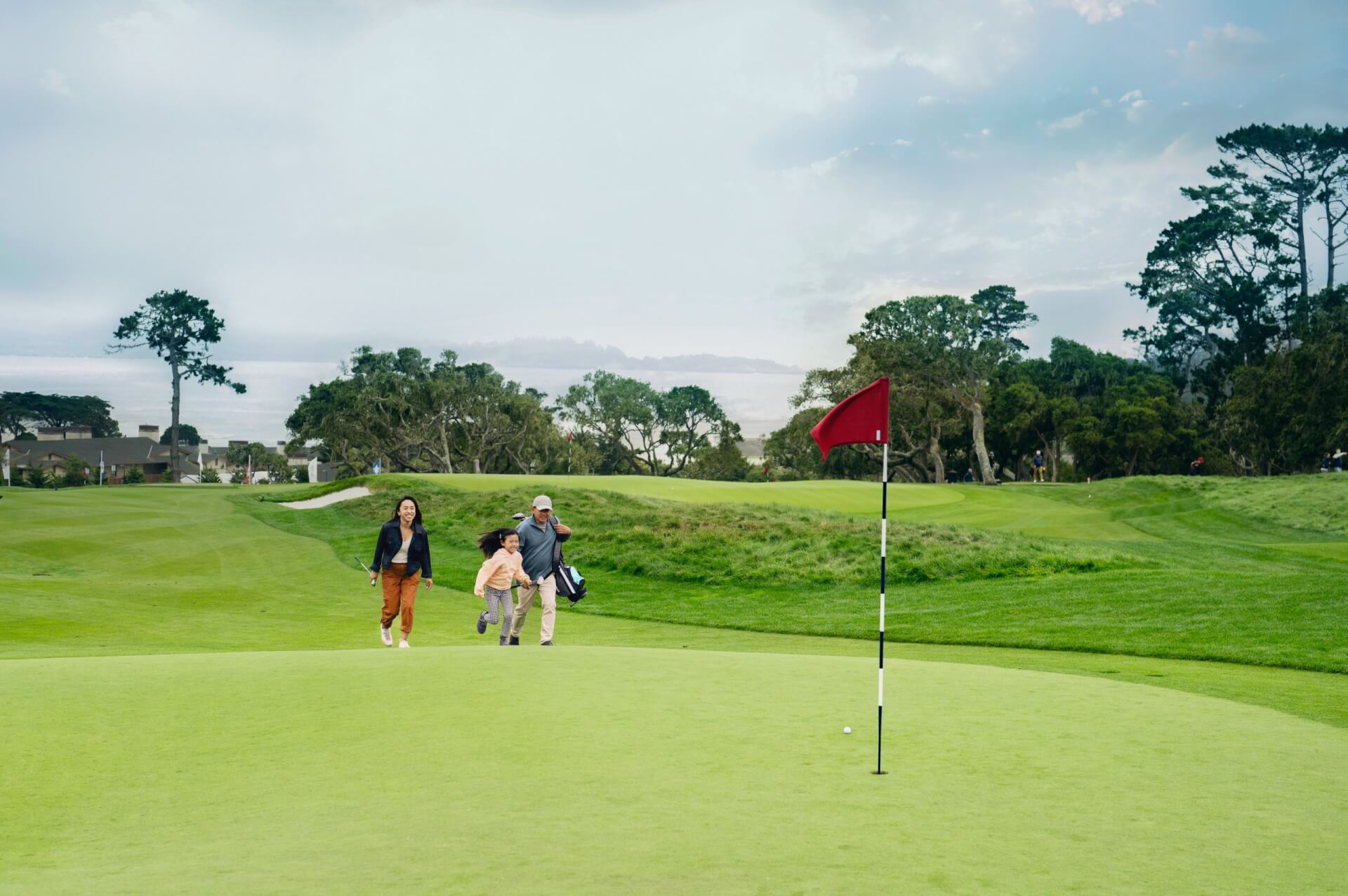
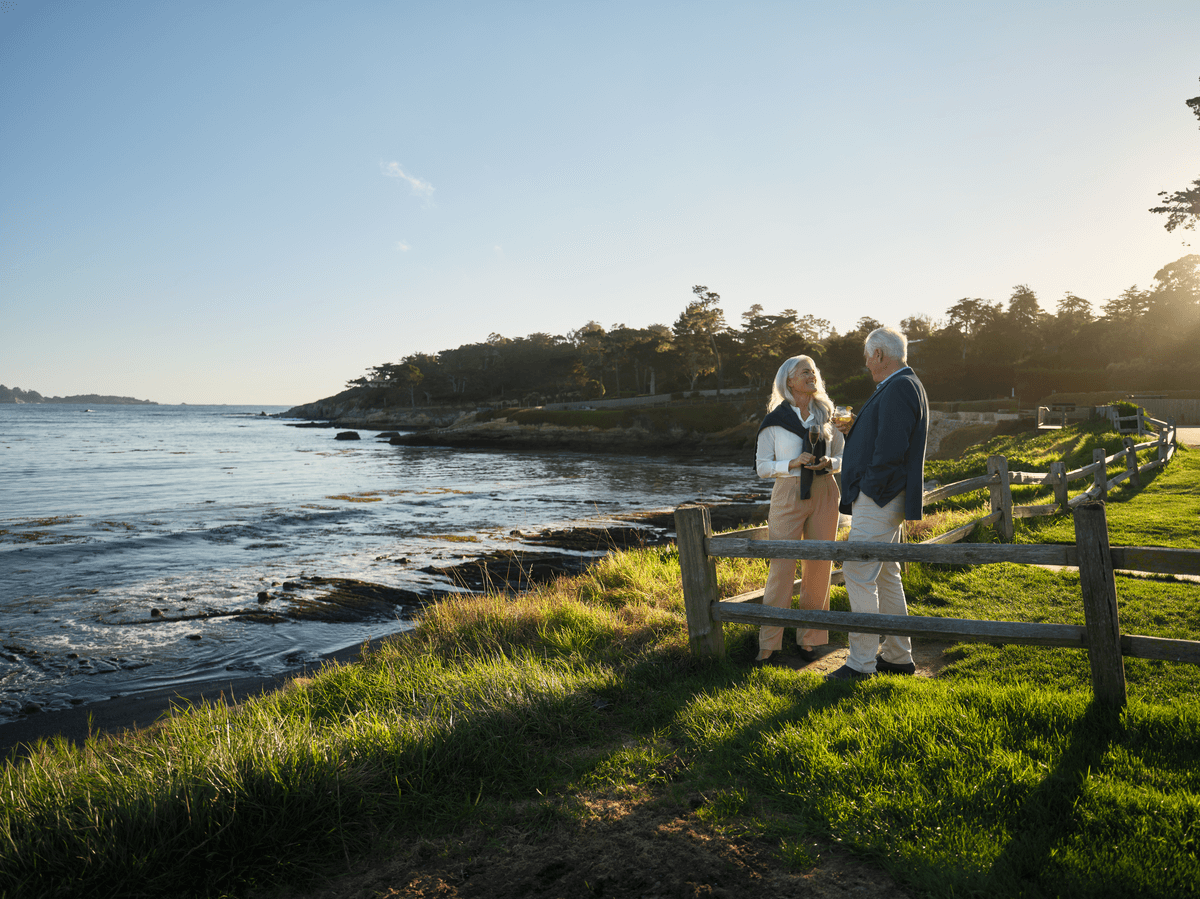
The Peninsula's identity as a leisure destination took a major leap forward in 1880 with the opening of the Hotel del Monte. Developed by railroad magnate Charles Crocker, it was widely considered the first true resort complex in the U.S. Guests experienced an unprecedented level of luxury, with landscaped gardens, polo grounds, a swimming pool, and even one of the country’s earliest golf courses. The resort also introduced curated scenic excursions along what would become the famed 17-Mile Drive, showcasing landmarks such as Cypress Point, Bird Rock, and the Ghost Tree.
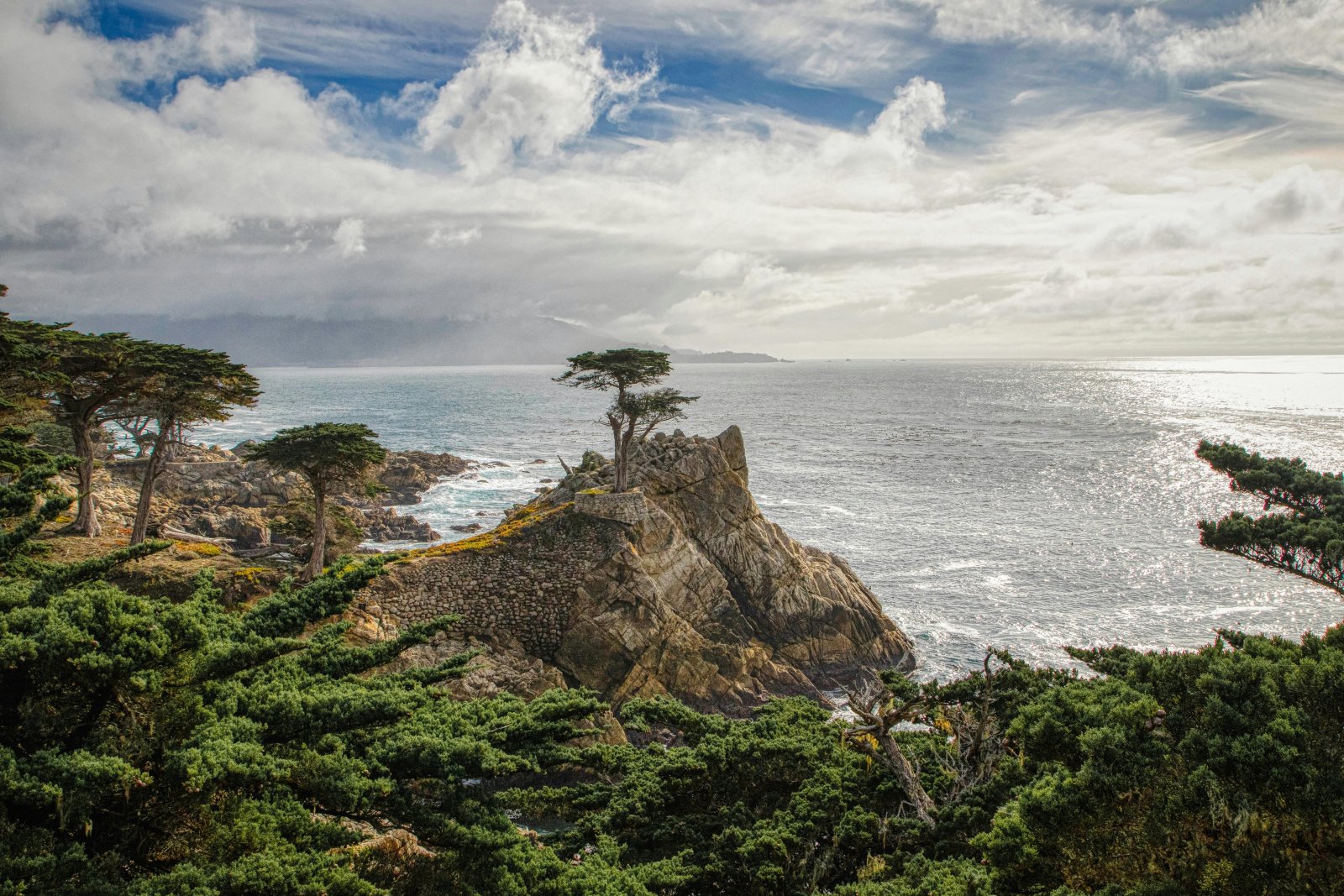
In 1919, the property entered a new chapter under Samuel Finley Brown Morse, whose Del Monte Properties Company would eventually evolve into the Pebble Beach Company, cementing the Peninsula’s reputation for world-class resort experiences.

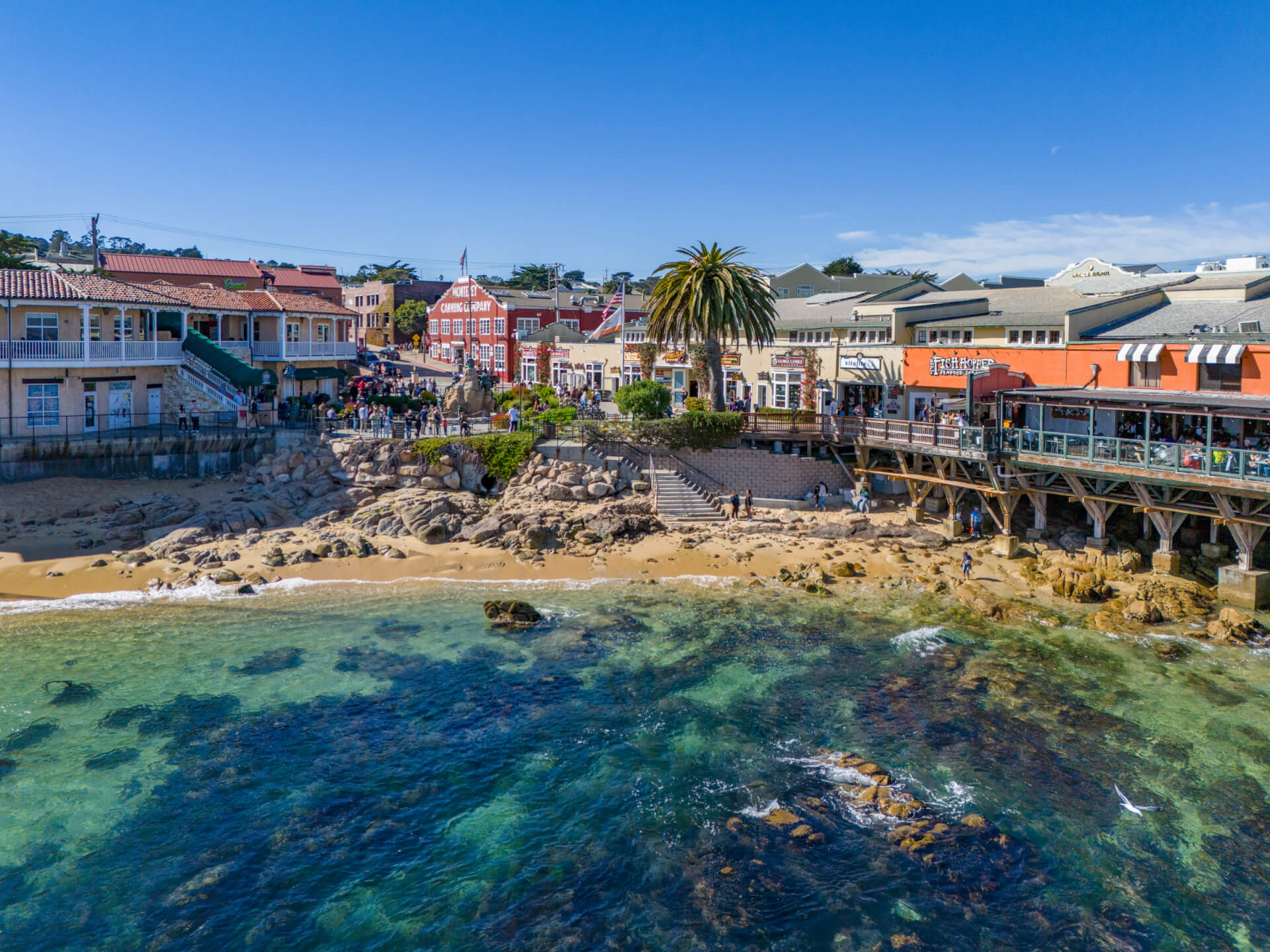
While luxury tourism was growing, another industry was transforming Monterey’s shoreline. In the early 1900s, Sicilian fisherman Pietro Ferrante introduced lampara net fishing techniques, dramatically increasing the efficiency of sardine harvesting in Monterey Bay. Combined with demand during World War I, this innovation fueled an explosion in production, from just 300 cases of canned sardines in 1900 to 1.8 million by 1918.
Cannery Row quickly became a thriving industrial corridor, lined with canneries operating around the clock. However, this boom proved unsustainable. By the late 1940s, overfishing led to the collapse of the sardine population, and the industry (and much of Cannery Row’s economy) declined with it.
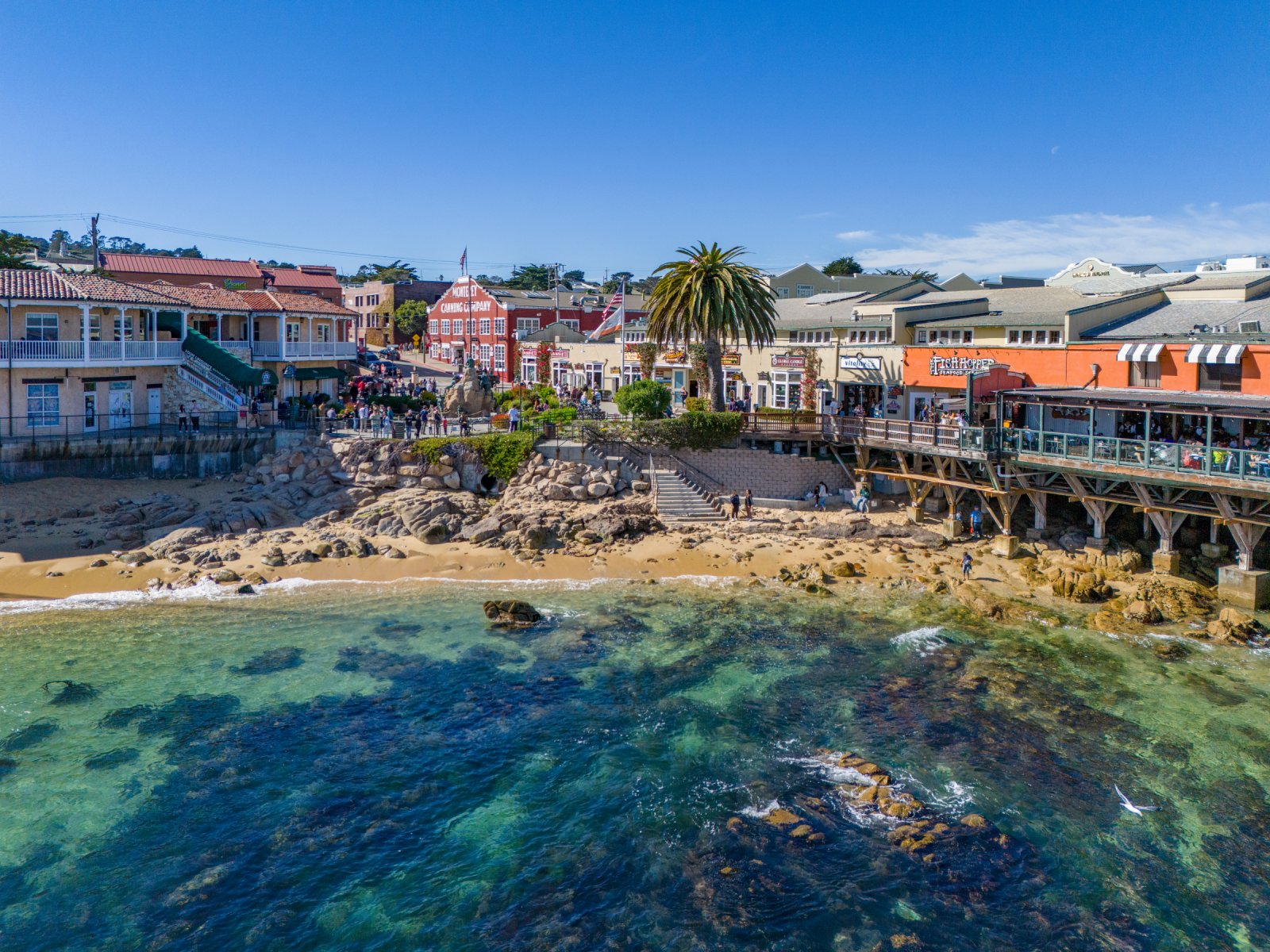
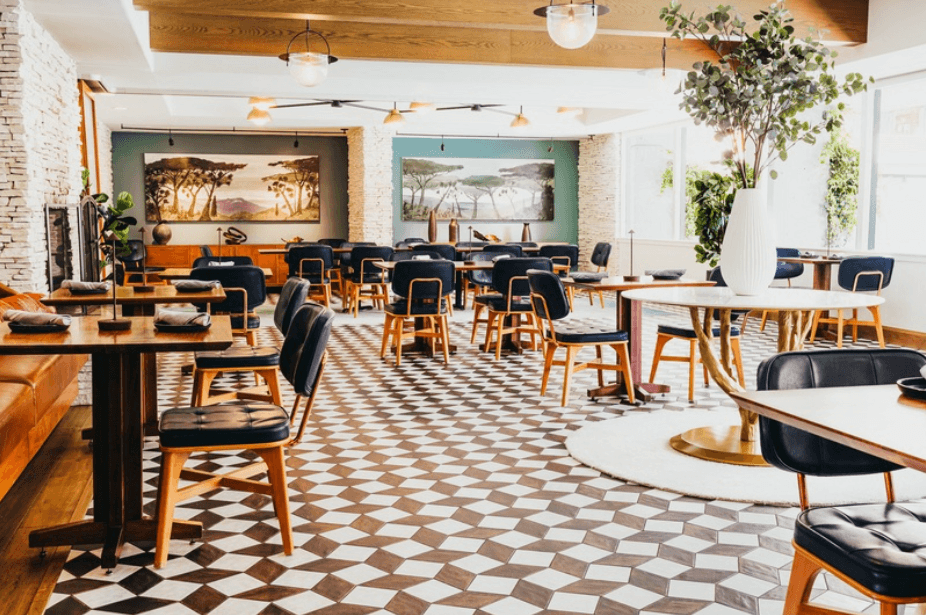
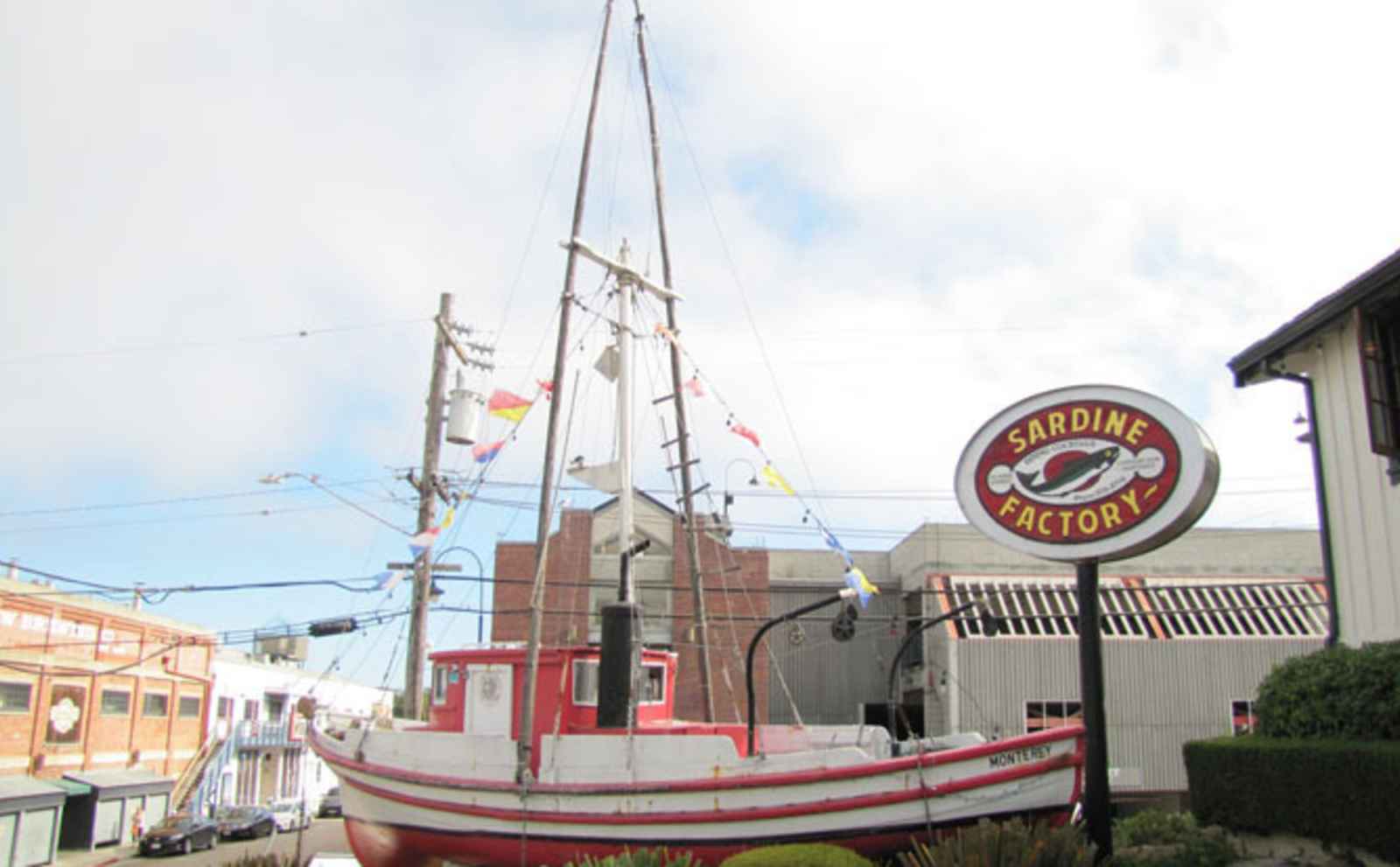
By the 1960s, the once-bustling waterfront had fallen into disrepair. Its revival began in 1968, when restaurateurs Bert Cutino and Ted Balestreri took a bold risk by opening The Sardine Factory in a former cannery workers’ dining hall. What began as a modest 72-seat restaurant grew into an internationally recognized dining destination, celebrated for its refined seafood, extensive wine program, and signature hospitality. More importantly, it signaled that Cannery Row could be reborn, not as an industrial hub, but as a place for visitors.
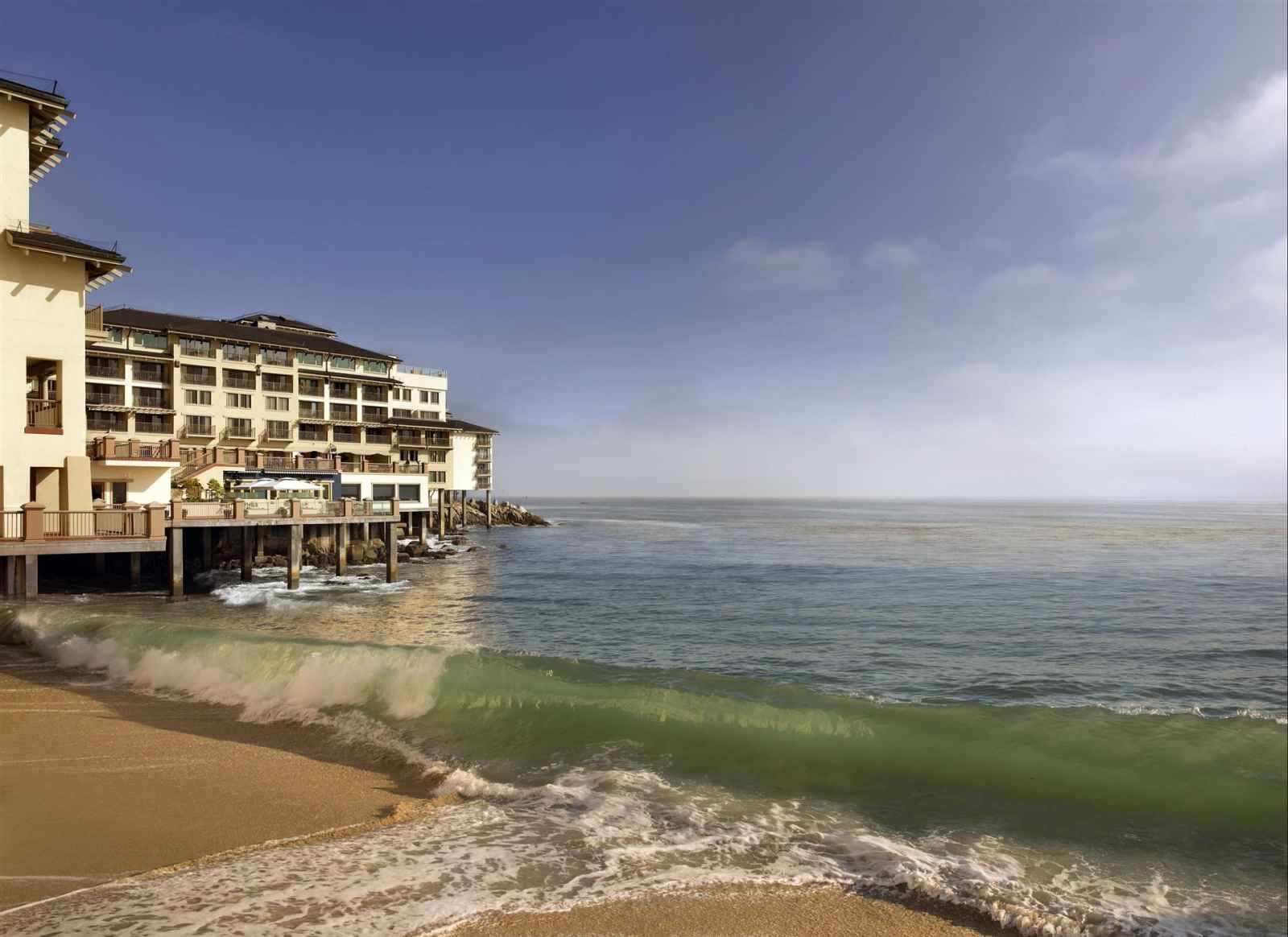
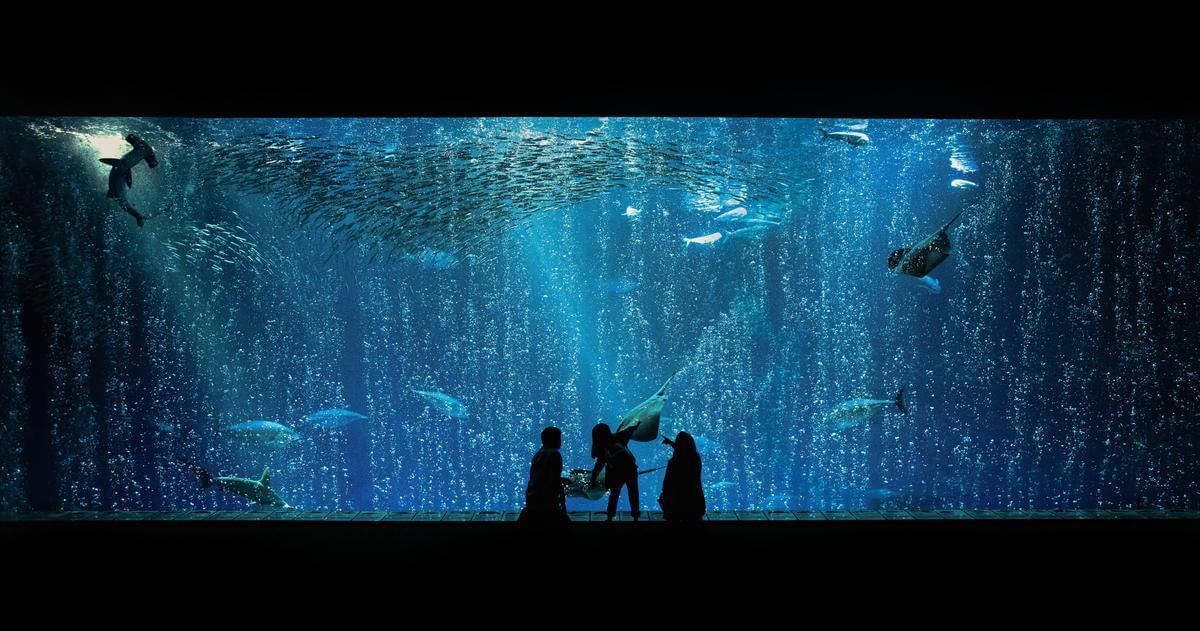
That transformation was fully realized in 1984 with the opening of the Monterey Bay Aquarium. Founded by David Packard, the aquarium was built within a former cannery and reimagined the relationship between the community and the ocean. As both a research institution and a world-class attraction, it drew global attention and firmly established Cannery Row as a premier destination for visitors, surrounded by hotels, restaurants, and coastal experiences.
Today, the Monterey Peninsula’s identity is built on this layered history—from mission travelers and seaside theaters to grand resorts and revitalized waterfronts. That enduring tradition of hospitality continues to support globally recognized events such as the AT&T Pebble Beach Pro-Am, the INDYCAR Grand Prix of Monterey, the Pebble Beach Concours d'Elegance, and the Monterey Jazz Festival.
From Cannery Row to Pebble Beach, the Monterey Peninsula’s story is ultimately one of reinvention. One where each era has built upon the last to create a destination defined by both history and hospitality.

Michele Pearce
Michele Pearce is the Director of Client & Event Services at See Monterey.