



Interview with Aaron Gilmartin, California State Parks Interpreter

Inspired by America 250, Monterey 1000 broadens the lens to recognize histories that long predate the founding of the United States. Over the coming year, this ongoing series will explore those stories, starting with some of the earliest chapters and connecting them to what makes the destination distinctive today.
Long before Monterey became known for its stunning coastline, world-class aquarium, and fresh seafood, it was California's busiest port, and the gateway to an entire territory.
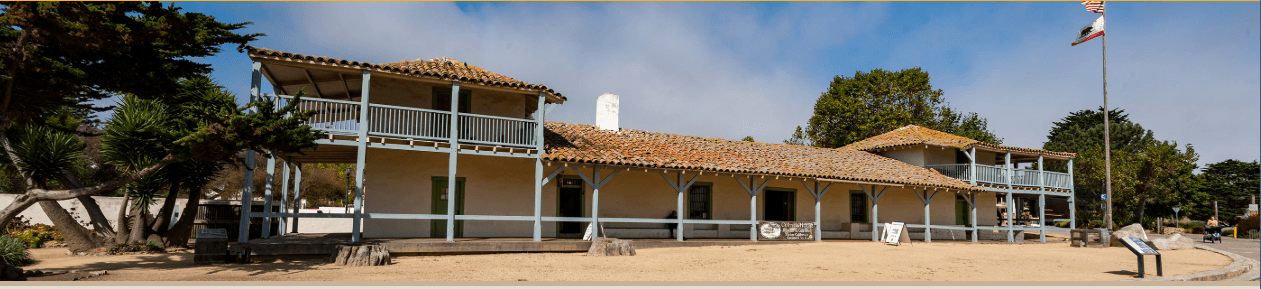
Standing beside Old Fisherman's Wharf, the Custom House is the oldest government building in California and the site where the American flag was raised in 1846, marking California's transition to United States rule. Today, it serves as the centerpiece of Monterey State Historic Park and one of the most important stops along Monterey's Path of History.
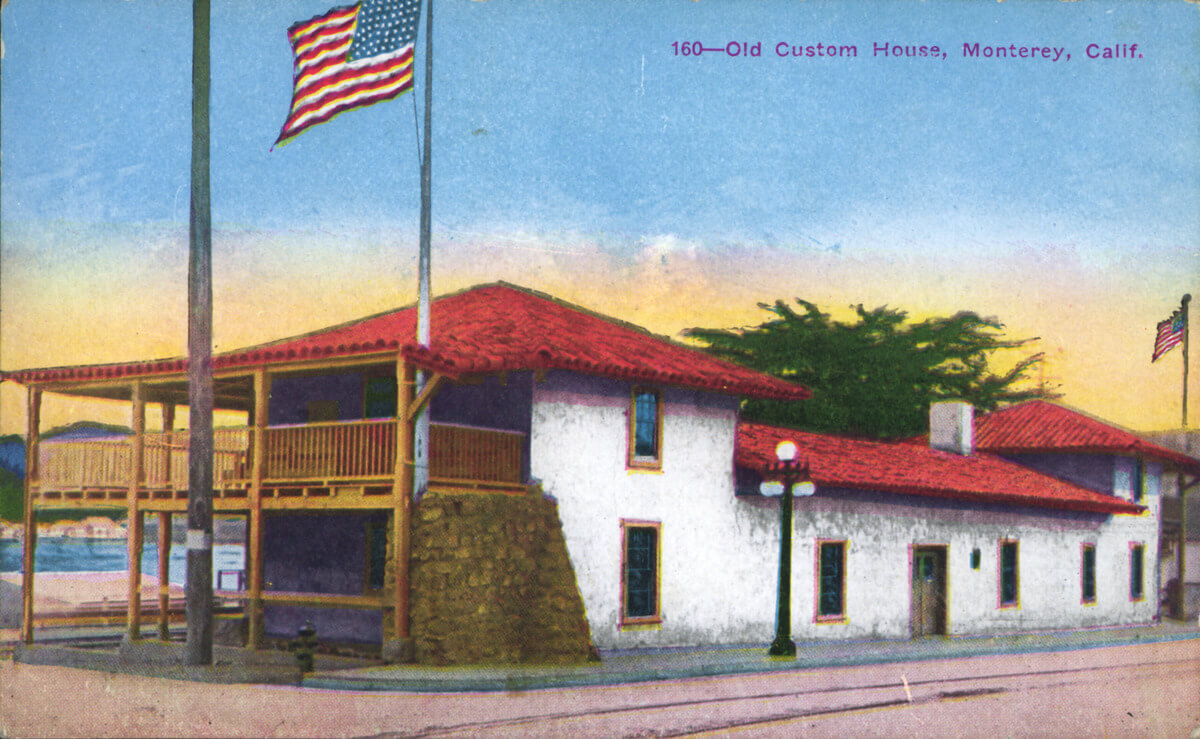
Whether you're a history enthusiast or simply looking to discover another side of Monterey, a visit to the Custom House offers a fascinating glimpse into California's earliest days.
Where California Connected to the World
Originally expanded by the Mexican government in 1827, the Custom House, known as La Aduana Marítima, transformed Monterey into an international port.
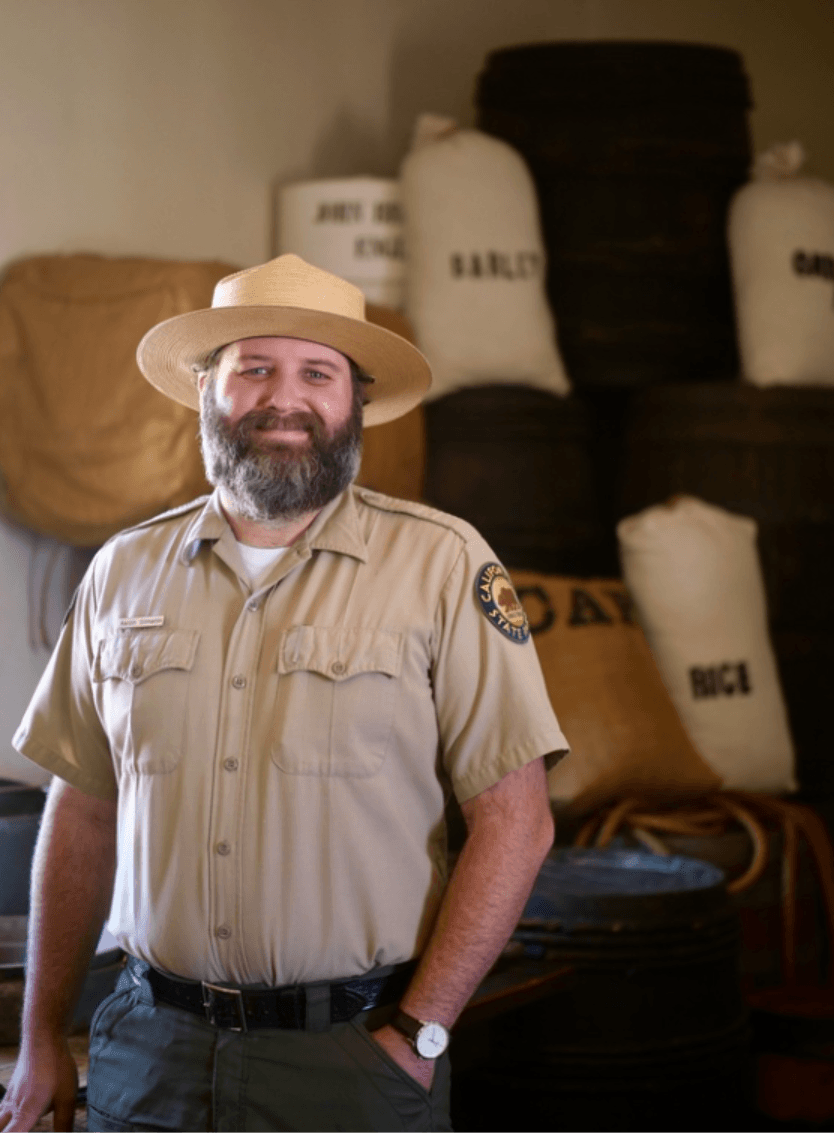
According to California State Parks Interpreter Aaron Gilmartin, the building represented a dramatic shift for Alta California. Under Spanish rule, foreign ships and international trade were heavily restricted. After Mexico gained independence, those restrictions eased, opening Monterey to merchants from around the world.
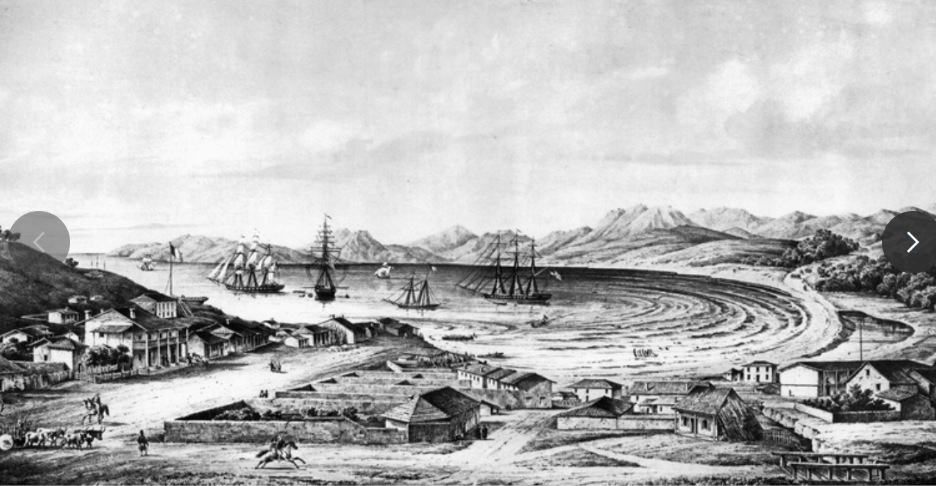
Ships from the United States, Great Britain, and beyond began arriving in Monterey Bay carrying manufactured goods, news from distant countries, and new settlers. In return, they departed loaded with one of California's most valuable exports: cattle hides, often nicknamed "California Bank Notes."
The Custom House became the place where commerce, cultures, and ideas first entered California.
The Port That Supplied Alta California
As the capital of Alta California, Monterey served as the territory's official port of entry.
Every imported item, from textiles and furniture to tools and luxury goods, passed through the Custom House before it could be sold elsewhere in California. Merchants paid customs duties that helped fund the Mexican government, making the building one of the most important economic centers on the West Coast.
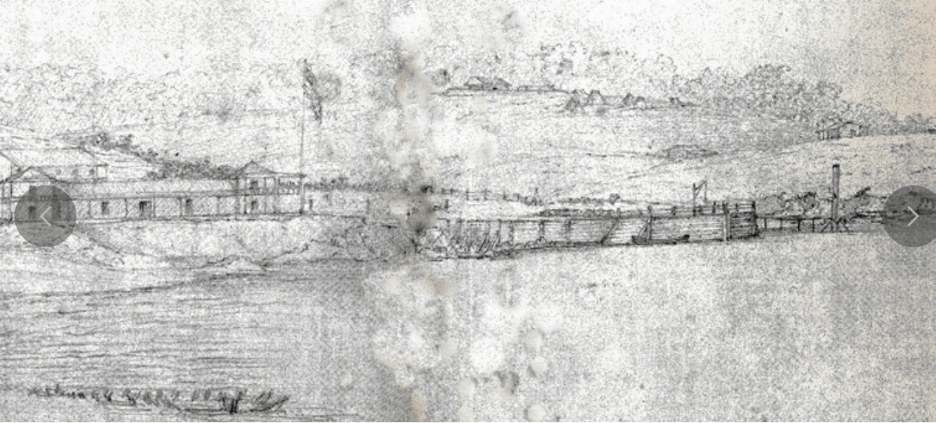
In 1845, businessman Thomas Larkin helped expand the waterfront with Monterey's first permanent wharf, making it easier for cargo and passengers to come ashore. Before then, goods had to be unloaded onto small boats and carried through the surf.
Where California Changed Forever
The Custom House is perhaps best known as the site of one of California's defining moments.
In 1842, Commodore Thomas ap Catesby Jones mistakenly believed war had broken out between the U.S. and Mexico. He landed in Monterey, raised the American flag over the Custom House, only to discover the two nations were actually at peace. The flag came down the next day, and Jones famously apologized for the incident.
Just four years later, history unfolded very differently.
On July 7, 1846, Commodore John D. Sloat arrived in Monterey after confirming that war had begun. He landed with approximately 225 Marines, raised the U.S. flag over the Custom House, and proclaimed California under American control. No shots were fired, making Monterey one of the few places where such a significant chapter in California history occurred peacefully.
Today, visitors stand on the very same grounds where that historic ceremony took place.
More Than a Government Building
The Custom House wasn't just a place for collecting tariffs.
Over nearly two centuries, it has witnessed lively fandangos celebrating arriving ships, notorious robberies, political debates, artists' studios, military occupations, and colorful local characters. It also housed officials who helped shape California's early government during both the Mexican and American periods.
Inside the museum, visitors can see period furnishings, maritime artifacts, historic documents, and one of Aaron Gilmartin's favorite objects, a set of official U.S. Treasury scales sent to Monterey in 1852, when it remained California's primary port of entry.
Saved for Future Generations
By the late 1800s, the aging Custom House was nearly demolished.
Thanks to preservation efforts by the Native Sons of the Golden West, local historians, artists, and the State of California, the building was saved and restored. In 1929, it became California State Landmark No. 1, recognizing its extraordinary role in the state's history.
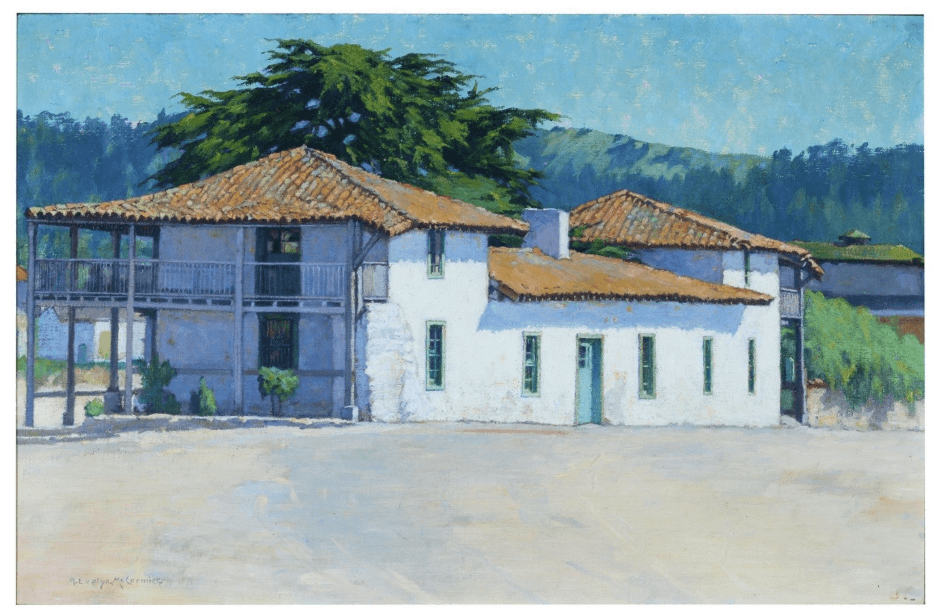
Today, it welcomes visitors from around the world as part of Monterey State Historic Park.
Planning Your Visit
The Custom House is located adjacent to Old Fisherman's Wharf and is one of the highlights of Monterey State Historic Park. Admission is free, and the building is an easy stop while exploring downtown Monterey.
For a deeper journey into the city's past, follow Monterey's Path of History, a self-guided walking tour connecting more than 50 historic sites, including adobes, gardens, museums, and the Presidio of Monterey.
Whether you're tracing California's earliest days or simply enjoying a waterfront stroll, the Custom House offers a unique opportunity to stand where history helped shape the Golden State.

Brian Edwards
Brian Edwards is the Library & Museums Director for the City of Monterey. He focuses on preserving and sharing our cultural and historic resources for people today. He serves on the board of the Monterey State Historic Park Association and promotes events and information for early California. He has a background in studio art, storytelling, research and information sharing. He loves to share stories with residents and visitors throughout Monterey County.