


Inspired by America 250, Monterey 1000 broadens the lens to recognize histories that long predate the founding of the United States. Over the coming year, this ongoing series will explore those stories, starting with some of the earliest chapters and connecting them to what makes the destination distinctive today.
Planning to visit during Monterey Car Week 2026? Explore the complete Monterey Car Week event calendar to discover concours, auctions, historic races, car shows and family-friendly experiences happening throughout the week. Before you arrive, take a few minutes to review The Right Path to Monterey Car Week for travel tips, parking information and responsible travel guidance to help preserve this extraordinary event and the communities that make it possible.
People have an emotional attachment to the automobile. Different eras, marques and models evoke passion, nostalgia, freedom and innovation. That connection has been part of Monterey County's story for more than a century.
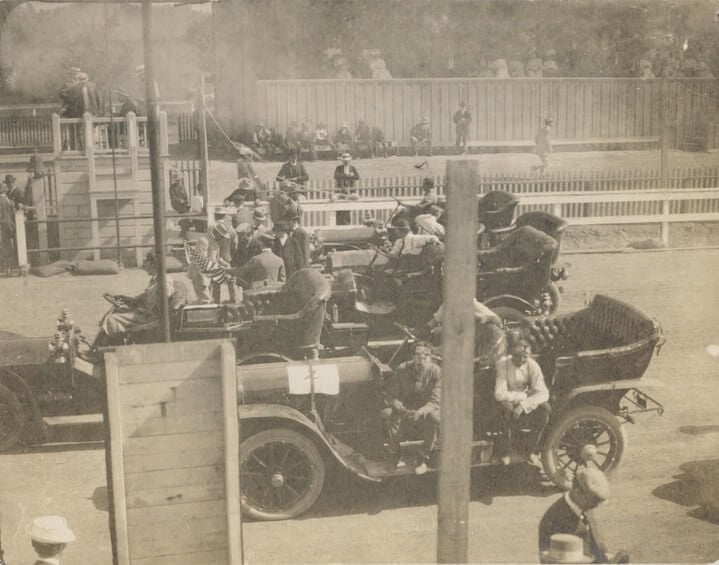
Long before Monterey Car Week became an internationally recognized celebration of automotive culture, the first automobiles puttered along what is now 17-Mile Drive, entertaining visitors to the Hotel Del Monte. According to historian Neal Hotelling, the Hotel Del Monte built a circular track in 1895, and by 1903 the Del Monte Company was hosting some of California's earliest automobile races.
Competitors traveled together from San Jose through Salinas before arriving in Monterey, where races from 1903 through 1907 became part of a growing series of automotive events. The Del Monte races continued until 1907, when tragedy struck after driver Roy Rehm was killed in a racing accident. The incident marked the end of the Del Monte track era but not Monterey's passion for motorsports.
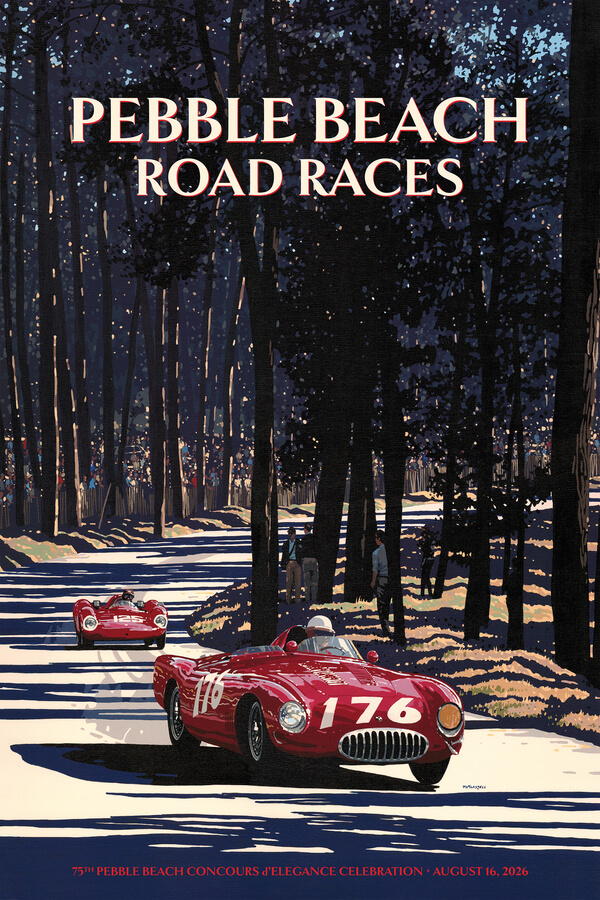
Following World War II, the Monterey Peninsula entered a new chapter. Returning soldiers had discovered nimble European sports cars like Alfa Romeo and MG while overseas, helping spark America's growing fascination with sports car racing. In 1950, that enthusiasm came to life with the first Pebble Beach Road Races, a 1.8-mile course winding through the Del Monte Forest.
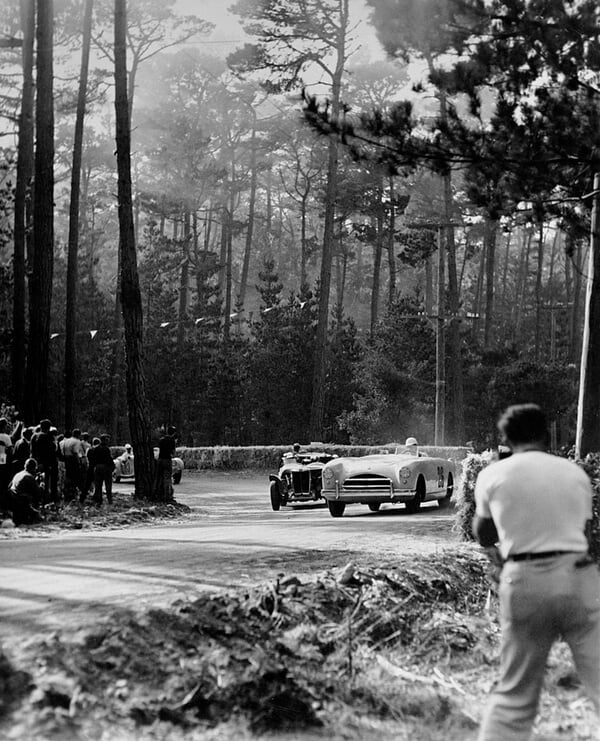
"There was no safety," recalls Barry Toepke, Public Relations Consultant for the Rolex Monterey Motorsports Reunion. "Hay bales protected the drivers from the trees."
That same year, organizers introduced the Pebble Beach Concours d'Elegance, giving race spectators another reason to attend while showcasing many of the cars competing on the course. Young road racer Phil Hill captured his first major trophy behind the wheel of a Jaguar XK120, while Sterling Edwards earned the first Best of Show award with his Edwards R-26 Special Sports Roadster.
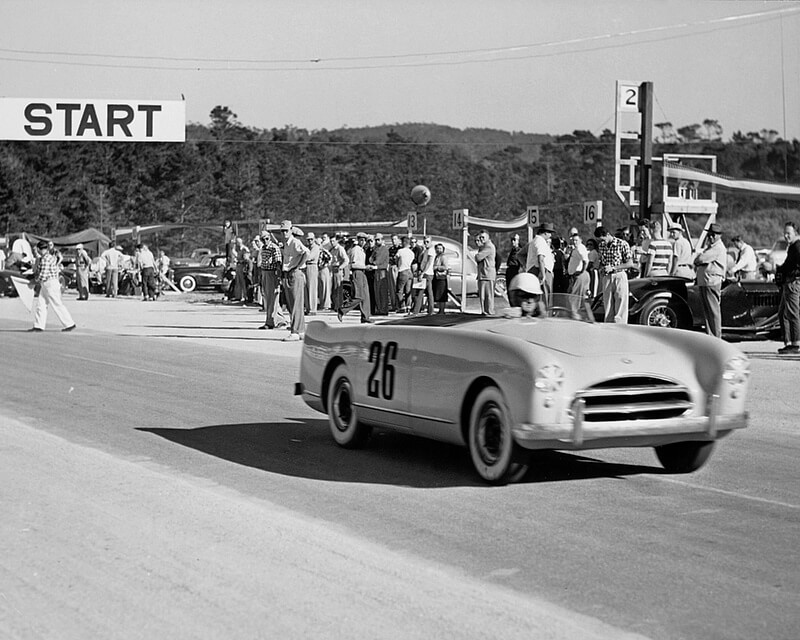
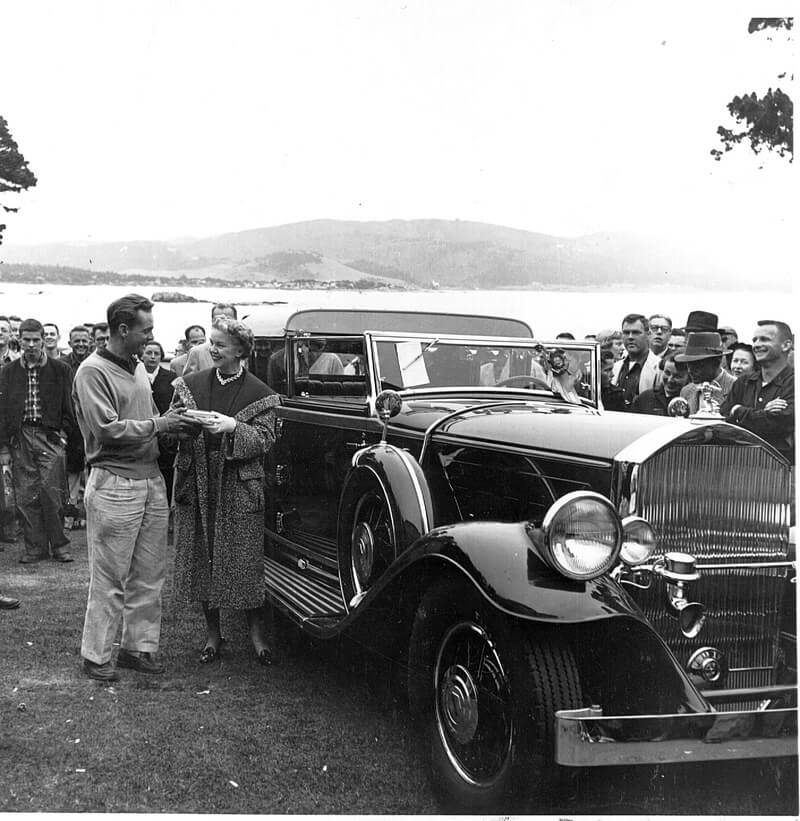
As the crowds grew between 1950 and 1956, so did Monterey's reputation. Hollywood took notice, manufacturers arrived, and the Concours began evolving beyond a showcase for new automobiles. In 1955, Phil Hill won Best of Show with his restored 1931 Pierce-Arrow—a milestone Kandace Hawkinson of Pebble Beach Concours d'Elegance says "changed the very definition of concours to a showcase for great collectible cars, not solely new cars."
The growing popularity of the races also exposed their limitations. Faster cars and increasing speeds made the forest course too dangerous. Following Ernie McAfee's death during the 1956 races, community leaders recognized the need for a permanent racing facility.
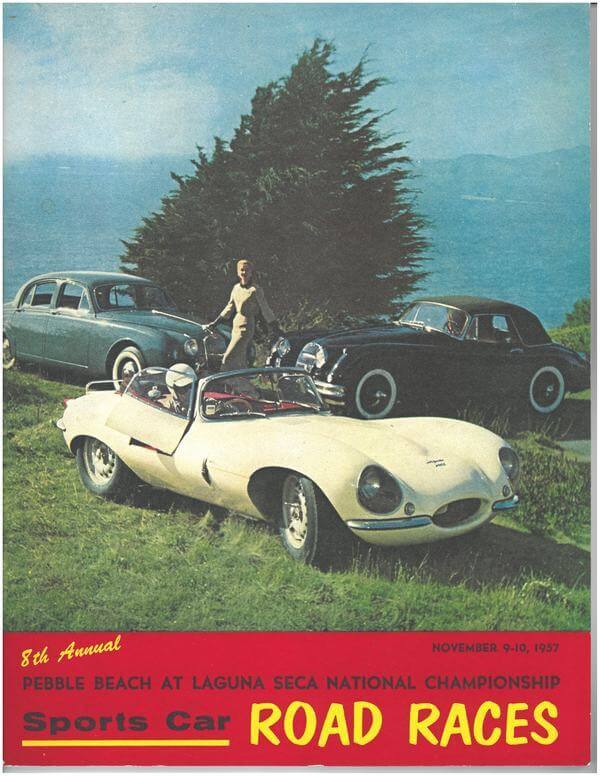
That vision became reality in 1957, when the Sports Car Racing Association of the Monterey Peninsula (SCRAMP), working with the Monterey Peninsula Chamber of Commerce and the U.S. Army, secured land at Fort Ord for a new racetrack. In an accomplishment that still amazes enthusiasts today, the circuit at Laguna Seca, now WeatherTech Raceway Laguna Seca, was built in just 60 days for $125,000, and the inaugural race was held on November 9, 1957.
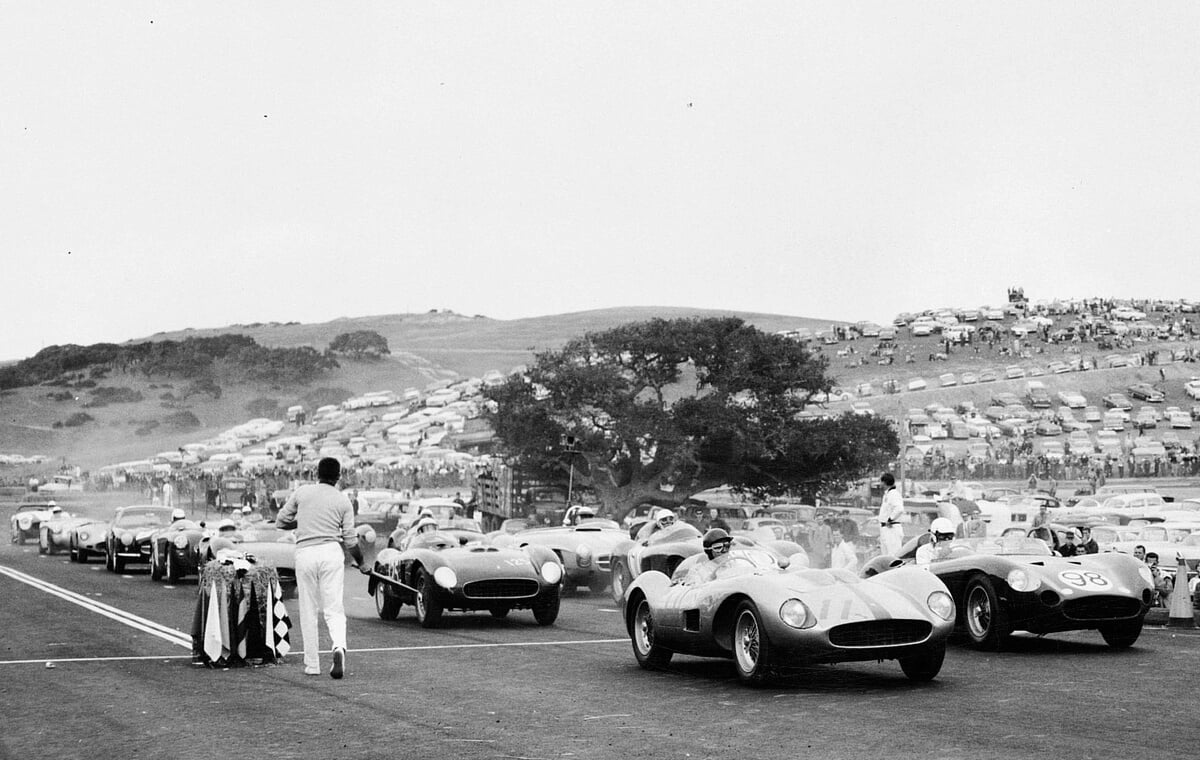
Automotive traditions continued to expand alongside the Concours and Laguna Seca. Historic racing debuted in 1974 with just 66 cars participating for what organizer Steve Earle envisioned as a fun gathering. It quickly became something much bigger, helping launch the historic racing movement that remains a cornerstone of Monterey Car Week today.
The following decades welcomed new signature events, including The Quail: A Motorsports Gathering, Concorso Italiano, world-renowned collector-car auctions, and manufacturer concept-car debuts. Together, these events transformed Monterey Car Week into one of the world's premier automotive celebrations.
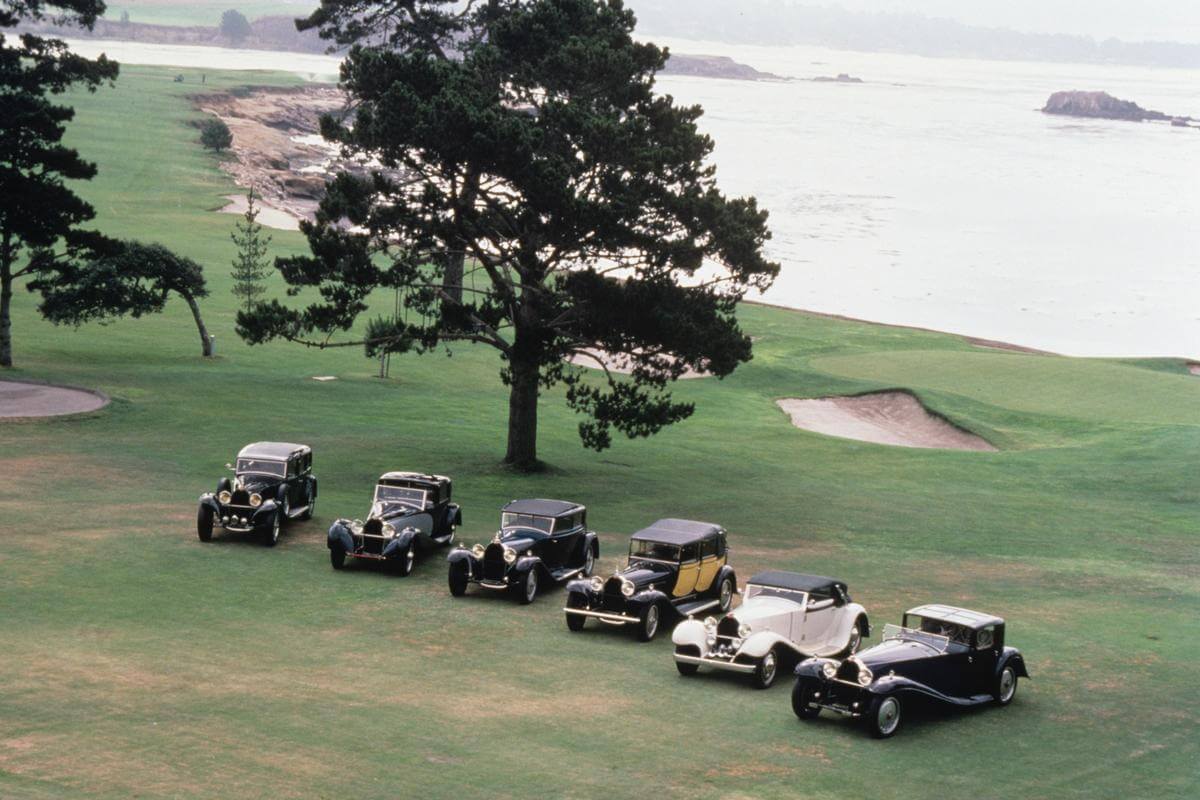
Monterey Car Week has also reshaped the collector car world. As Barry Toepke notes, many classic automobiles were once simply viewed as "neat old cars." Today, Monterey has become one of the world's most influential marketplaces for rare automobiles, restoration craftsmanship and automotive innovation.
While Monterey Car Week is one of the busiest weeks of the year, it also brings value & prestige, along with collective events and a sense of community. Every year, the Pebble Beach Concours raises funds to support charities on the Monterey Peninsula, with the most recent goal of $5 million. Attendees also contribute to the local economy by staying at hotels and supporting local businesses.
Toepke offers simple advice for visitors: "Maintain patience. Enjoy the experience around you." While Monterey Car Week is one of the busiest times of the year on the Monterey Peninsula, it's also an opportunity to experience one of the world's greatest automotive celebrations in one of its most spectacular settings. Respect neighborhoods, park only in designated areas, protect the coastline, keep the bay clean, and remember that the beauty of Monterey County is just as much a part of the experience as the remarkable automobiles themselves.
For photographers, content creators and automotive enthusiasts, Toepke also emphasizes the importance of putting safety first. Whether capturing the action at WeatherTech Raceway Laguna Seca or photographing vehicles throughout the Peninsula, always follow event rules, remain aware of your surroundings and never step into active roadways or restricted areas for a photo.
WeatherTech Raceway Laguna Seca has become a bucket-list destination for racing fans around the world, thanks in part to its legendary Corkscrew and appearances in countless racing games. "People often want to drive the track they've raced on online," Toepke says. Today, visitors can experience the circuit through track days, driving schools, race schools and select car club events held throughout the year. The Laguna Seca Recreation Area also offers camping and year-round public access, making it a destination well beyond Monterey Car Week.

Thank you to Barry Toepke of Rolex Monterey Motorsports Reunion, Kandace Hawkison and Camryn Garcia of Pebble Beach Concours, and Neal Hotelling and Stefanie Lee from Pebble Beach Company for contributing to this article.
Brian Edwards
Brian Edwards is the Library & Museums Director for the City of Monterey. He focuses on preserving and sharing our cultural and historic resources for people today. He serves on the board of the Monterey State Historic Park Association and promotes events and information for early California. He has a background in studio art, storytelling, research and information sharing. He loves to share stories with residents and visitors throughout Monterey County.