








Inspired by America 250, Monterey 1000 broadens the lens to recognize histories that long predate the founding of the United States. Over the coming year, this ongoing series will explore those stories, starting with some of the earliest chapters and connecting them to what makes the destination distinctive today.
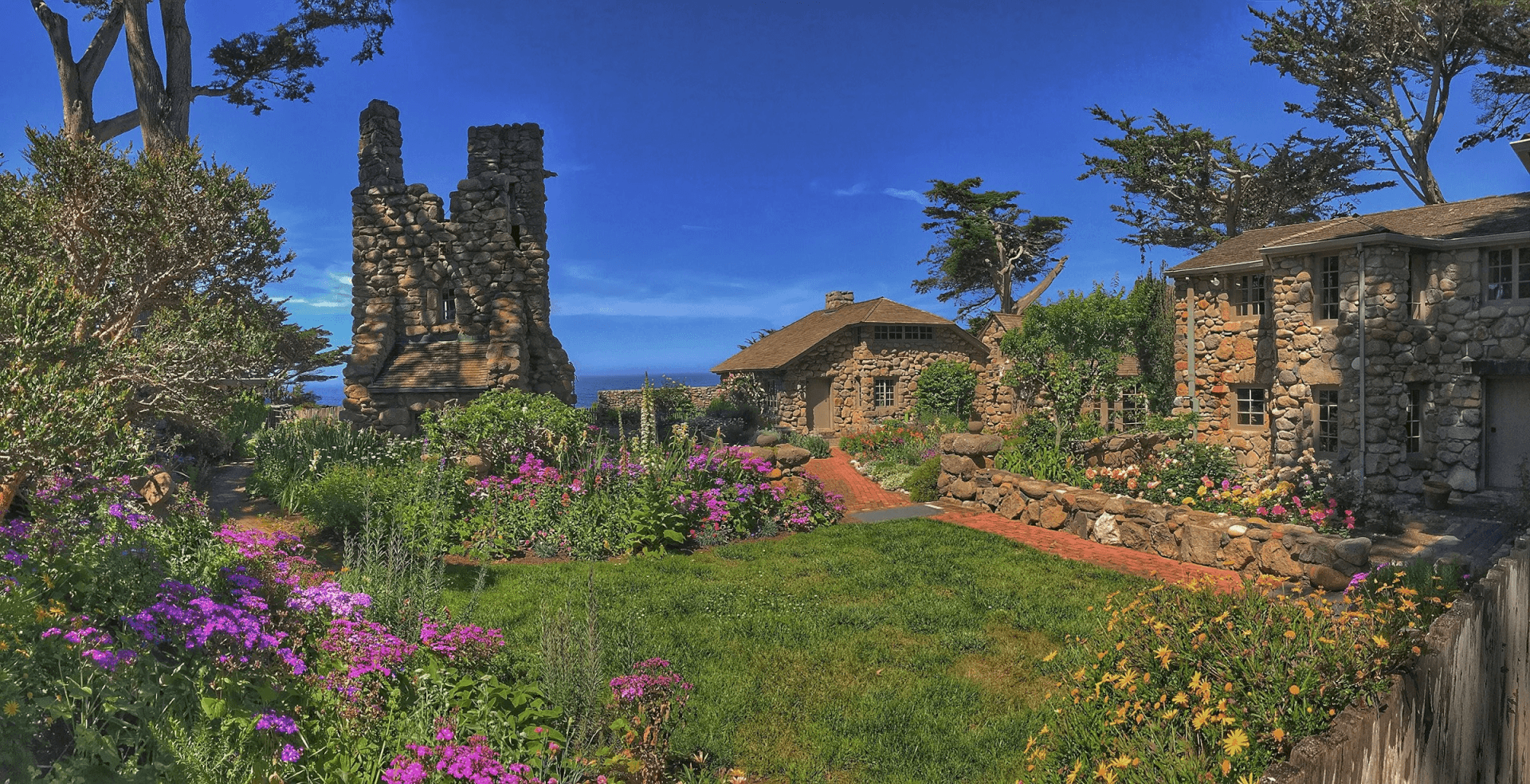
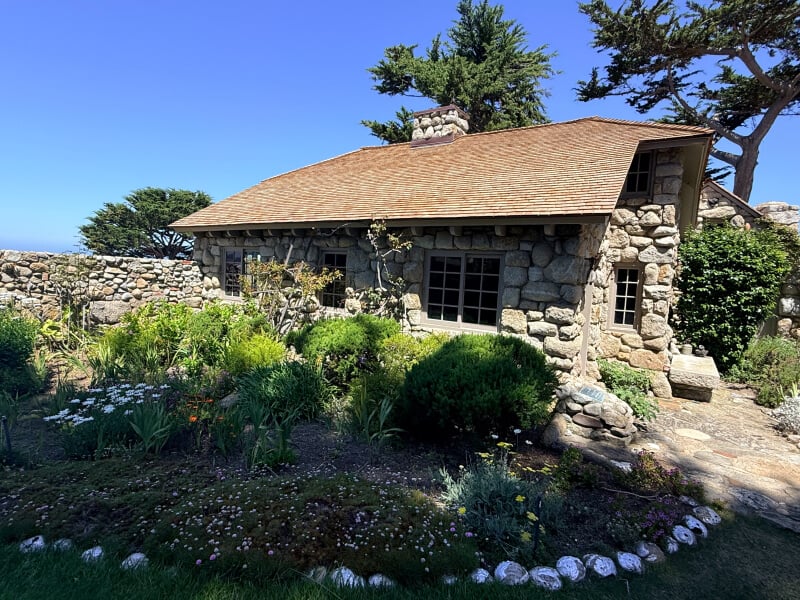
On a plot of land overlooking Carmel Bay, a squat stone home sits next to a majestic 40-foot stone tower, known as Tor House and Hawk Tower, offering a view of Point Lobos in the distance. Both structures were thoughtfully constructed by poet Robinson Jeffers and reveal the builder’s connection to the natural world. Jeffers lived there with his wife, Una, and, eventually, their two sons from 1919 to 1962.
No Monterey County literary site is as closely tied to its writer as Tor House is to Jeffers; John Steinbeck was born and spent his early life in The Steinbeck House in Salinas and in a couple of other homes on the Monterey Peninsula, but his later years were spent primarily in New York. Henry Miller resided in Big Sur from just 1944 to 1962, and Robert Louis Stevenson spent a matter of months in Monterey’s Stevenson House. But Jeffers not only hand-built the two-story Tor House and Hawk Tower, but the poet also wrote all his major poems on-site, including many inspired by his home (Tor House, The Bed by the Window, The Old Stonemason) and the surrounding landscape (Carmel Point).
"Jeffers is an integral part of Monterey County’s literary landscape. He’s one of the most important, if not the most important writer of the area. He writes about this area. You really can’t separate Robinson Jeffers from Monterey County."
- Elliot Ruchowitz-Roberts, President Emeritus of the Robinson Jeffers Tor House Foundation
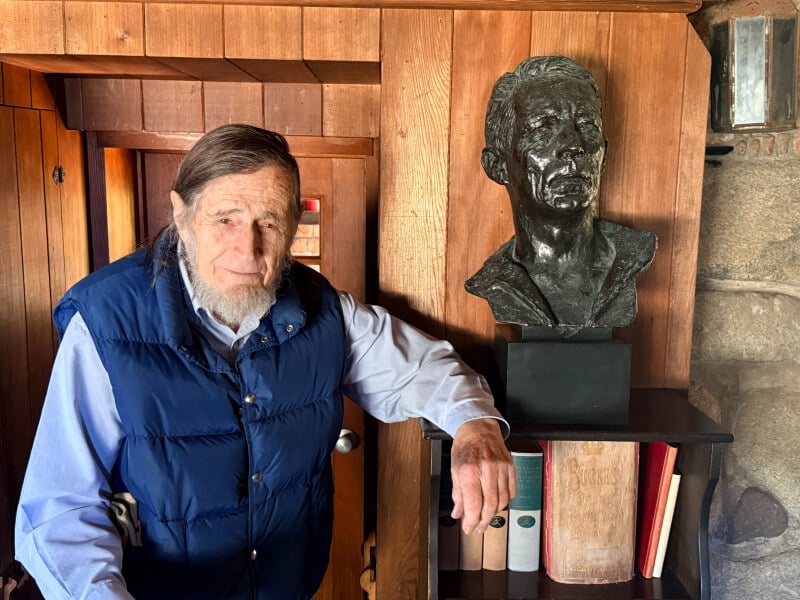
Visiting the Tor House, which offers guided walks on Fridays and Saturdays, allows guests to immerse themselves in Jeffers' world. Throughout the home are amazing objects that were collected by the poet, including a narwhal tusk and a stone from the Egyptian pyramids. There are still marks on the door from the family bulldog Haig, immortalized in the poem The House Dog’s Grave, or another one of their pets. The poet also wrote on the building’s walls, including the French phrase “prest d’ accomplir,” translated as “accomplish quickly,” on the bathroom door.
"The house is so well-preserved with the original furniture, you half expect Robinson and Una to greet you."
- Elliot Ruchowitz-Roberts, President Emeritus of the Robinson Jeffers Tor House Foundation
In 1914, Jeffers and his wife, Una, first took in the majestic coastal scenery of Carmel. Jeffers said he knew they had found their “inevitable place.” The poet apprenticed himself to a building contractor and learned how to make “stone love stone.” This knowledge led to the construction of the Tor House, which was modeled after a Tudor barn, in three months. The poet worked for the contractor M.J. Murphy on the building, doing the strenuous parts of house construction, from mixing mortar to carrying stones from the nearby beach.
A greater challenge came as Jeffers built the adjacent tower for his wife. Over four years, he constructed the impressive structure himself using ropes and pulleys to move the large stones.
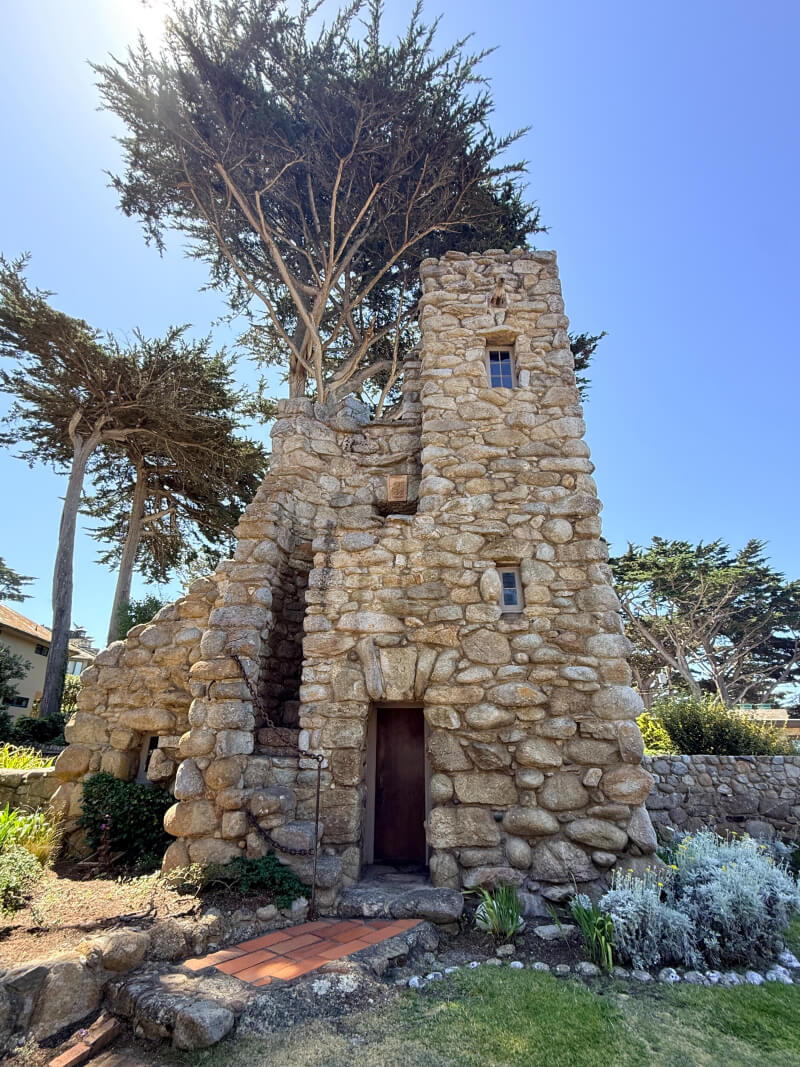
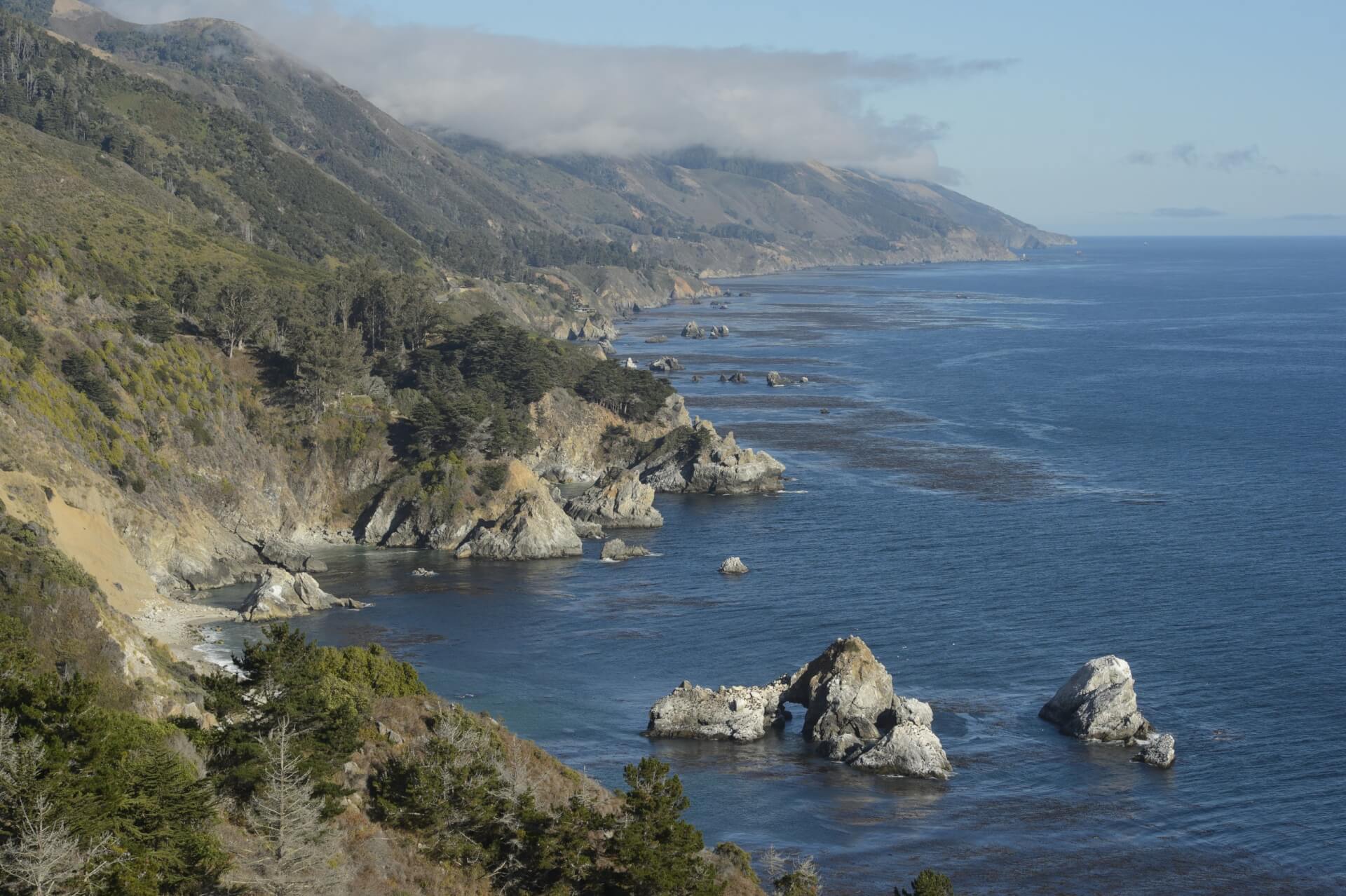
Today, climbing up the claustrophobic staircase in Hawk Tower to Una’s rooms is a highlight of any tour. Inside is a small stone fireplace and views of the garden-like grounds. Another high point of any visit is taking in the sweep of the Carmel coast from the top of the tower.
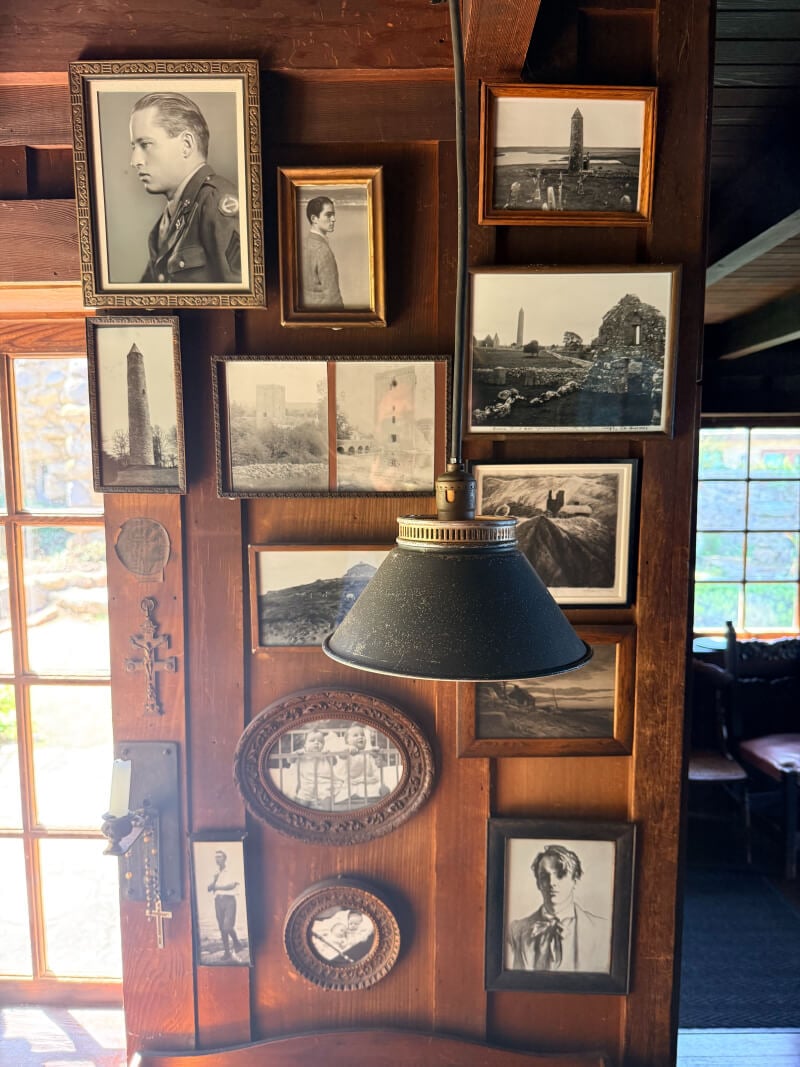
While not as well-known as other Monterey County writers, including Steinbeck and Miller, Jeffers’ poems are ideal for visitors who want to enhance their visit to the area with the poet’s evocative descriptions of the landscape, including The Place for No Story, set in current-day Garrapata State Park, and Return, which looks east from Andrew Molera State Park to Pico Blanco. “What inspired him [Jeffers] was Tor House, Hawk Tower, Carmel Point and the coast to the south,” Ruchowitz-Roberts says.
More Literary Inspiration to Find in Monterey County
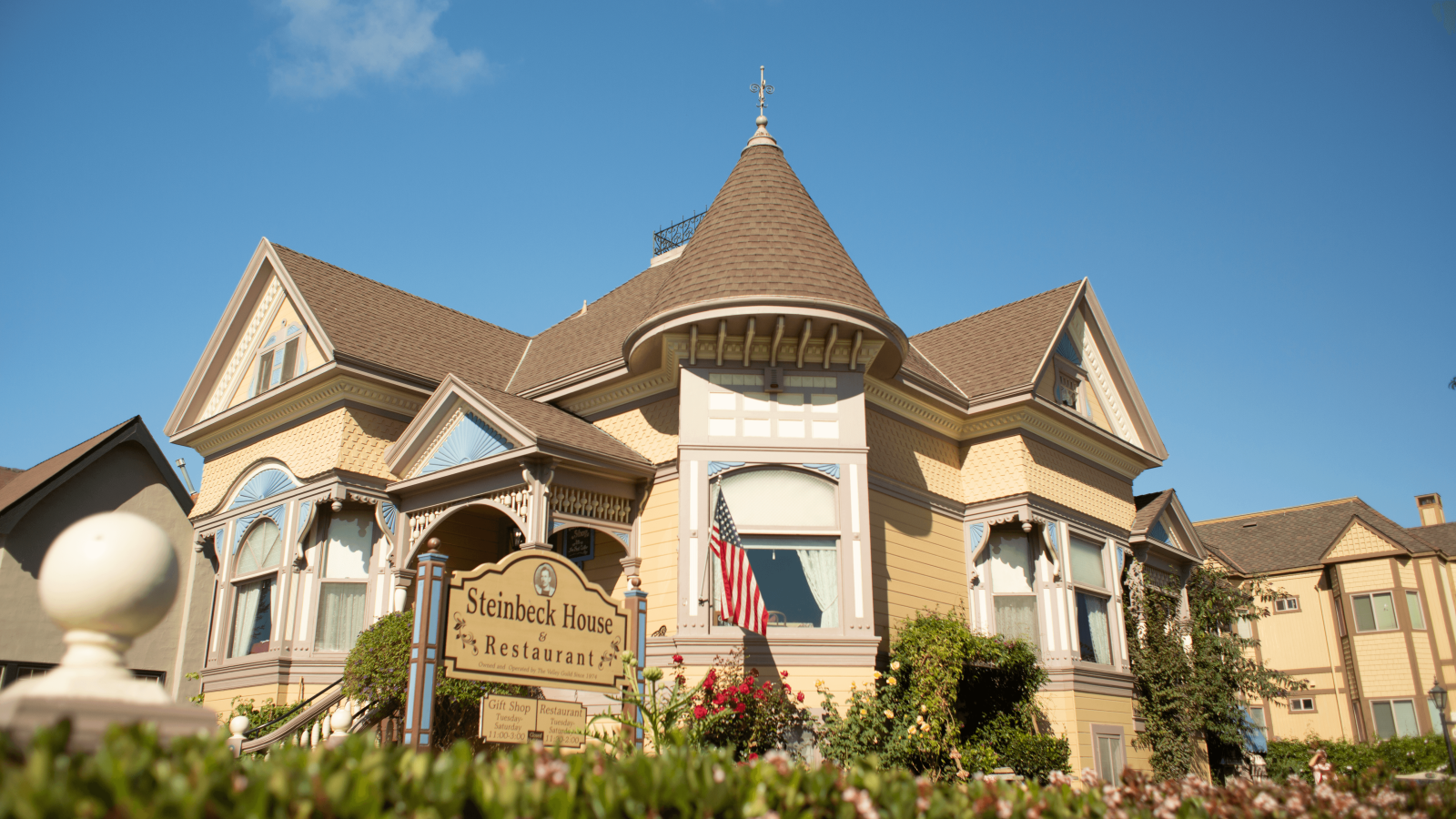
Tor House is not the only place in Monterey County connected to a writer and their work. A Queen Anne-style Victorian in downtown Salinas, The Steinbeck House is where the famed author John Steinbeck, who wrote The Grapes of Wrath, Cannery Row, Of Mice and Men, among others, was born and lived his first 17 years. Free tours that include the writer’s childhood bedroom are available at various times.
Another literary luminary who spent time in Monterey County is Robert Louis Stevenson, who resided in the Stevenson House in 1879. The writer of beloved works including Treasure Island and The Strange Case of Dr. Jekyll and Mr. Hyde only spent three months residing in a boardinghouse within the structure in downtown Monterey, but his family donated many of his personal possessions to the California State Parks-owned building, including one of his velvet jackets and a charcoal illustration of the writer that was done by his wife, Fanny. The building offers free 45-minute tours on Fridays and Saturdays.
Down in Big Sur, the controversial writer Henry Miller, the author of Tropic of Cancer and Sexus, is celebrated at the Henry Miller Library. Though Miller lived on a nearby ridgeline, the roadside cabin was the home of a longtime friend, Emil White, who transformed the site into a memorial for Miller. Today, it is home to a fantastic bookstore, while the redwood-shaded lawn out front frequently hosts concerts, literary events, and film screenings.
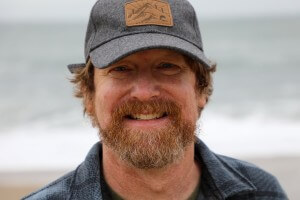
Stuart Thornton
While researching an edition of his Moon Monterey & Carmel Guidebook 10 years ago, Stuart Thornton took a guided history tour at Monterey State Historic Park. That one-hour walk opened his eyes to the richness of Monterey County’s past and inspired him to become a part of the interpretive crew at the park. These days, Stuart works as a Monterey State Historic Park Guide and authors Moon Travel Guides. He loves to find little-known stories from Monterey’s history to share with park visitors or to write about in various publications. To view more of Stuart’s writings, please visit www.stuartthornton.com.