







Inspired by America 250, Monterey 1000 broadens the lens to recognize histories that long predate the founding of the United States. Over the coming year, this ongoing series will explore those stories, starting with some of the earliest chapters and connecting them to what makes the destination distinctive today.
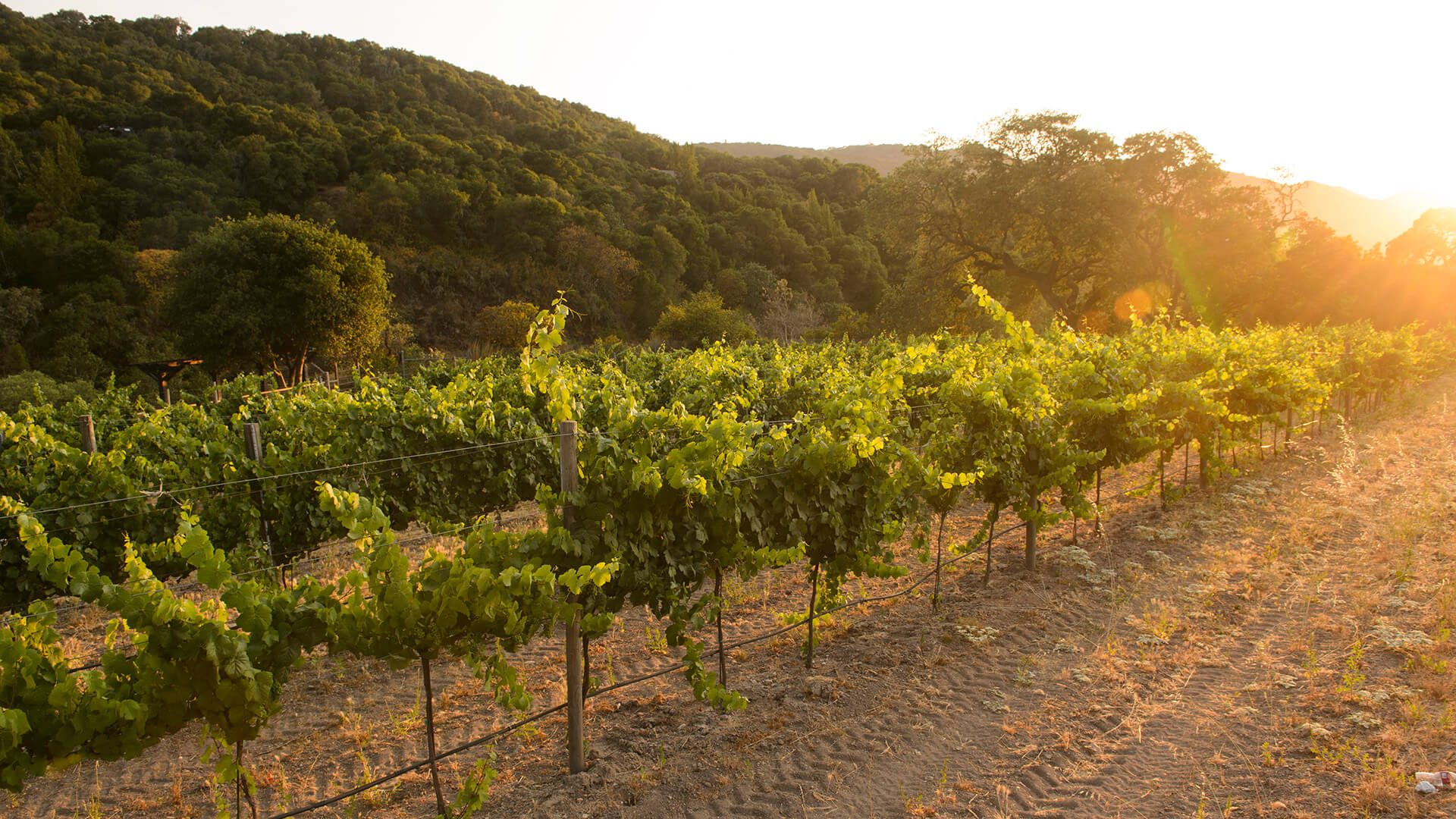
Monterey County’s winemaking history stretches back more than two centuries, from vineyards planted by Spanish missionaries to the acclaimed Pinot Noir, Chardonnay, and other varietals produced across the region today.
“The Spanish considered wine an indispensable part of life, not only for religious reasons but for the nutritional value and health benefits,” says Marta Kraftzeck, Monterey County’s first female winemaker.
From Mission Vineyards to a New Beginning
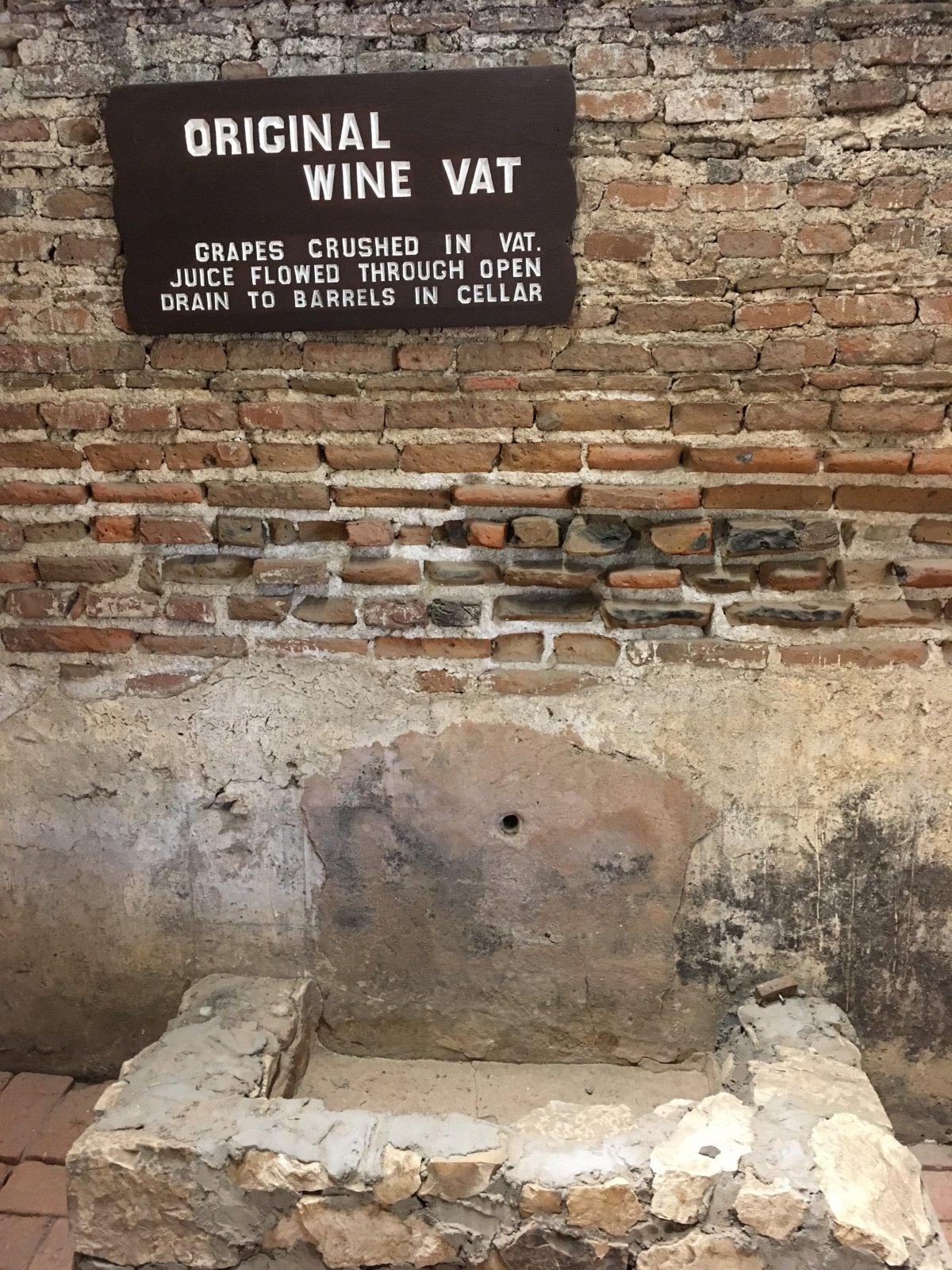
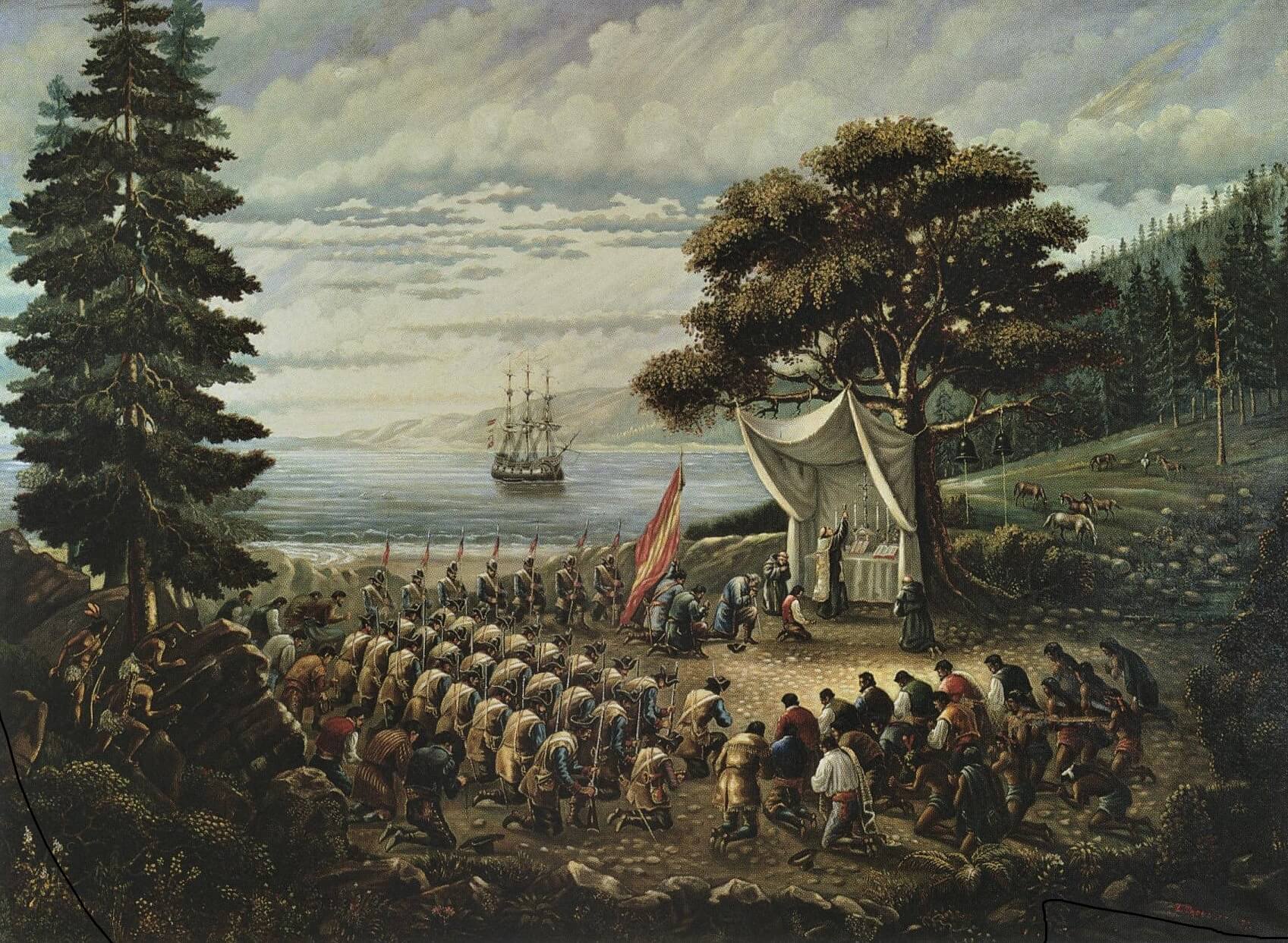
Spanish missionaries planted some of Monterey County’s earliest vineyards in the late 18th century at inland missions, including Mission San Antonio de Padua and Mission Nuestra Señora de la Soledad (Mission Soledad). Today, three wineries operate within two miles of Mission Soledad: Wrath Wines, CRŪ Winery, and Hahn Estate Winery.
Kraftzeck, a former winemaker at Chateau Julien and Scheid Vineyards, says those early mission wines are a far cry from the quality wines Monterey County produces today.
When California’s missions were secularized in 1833, winemaking in Monterey County largely stalled for nearly a century. Meanwhile, the industry grew elsewhere in the state. Hungarian immigrant Agoston Haraszthy established Buena Vista Winery in Sonoma in 1857 and helped introduce European grape varieties to California. By the 1860s, Los Angeles had become the state’s leading wine producer.
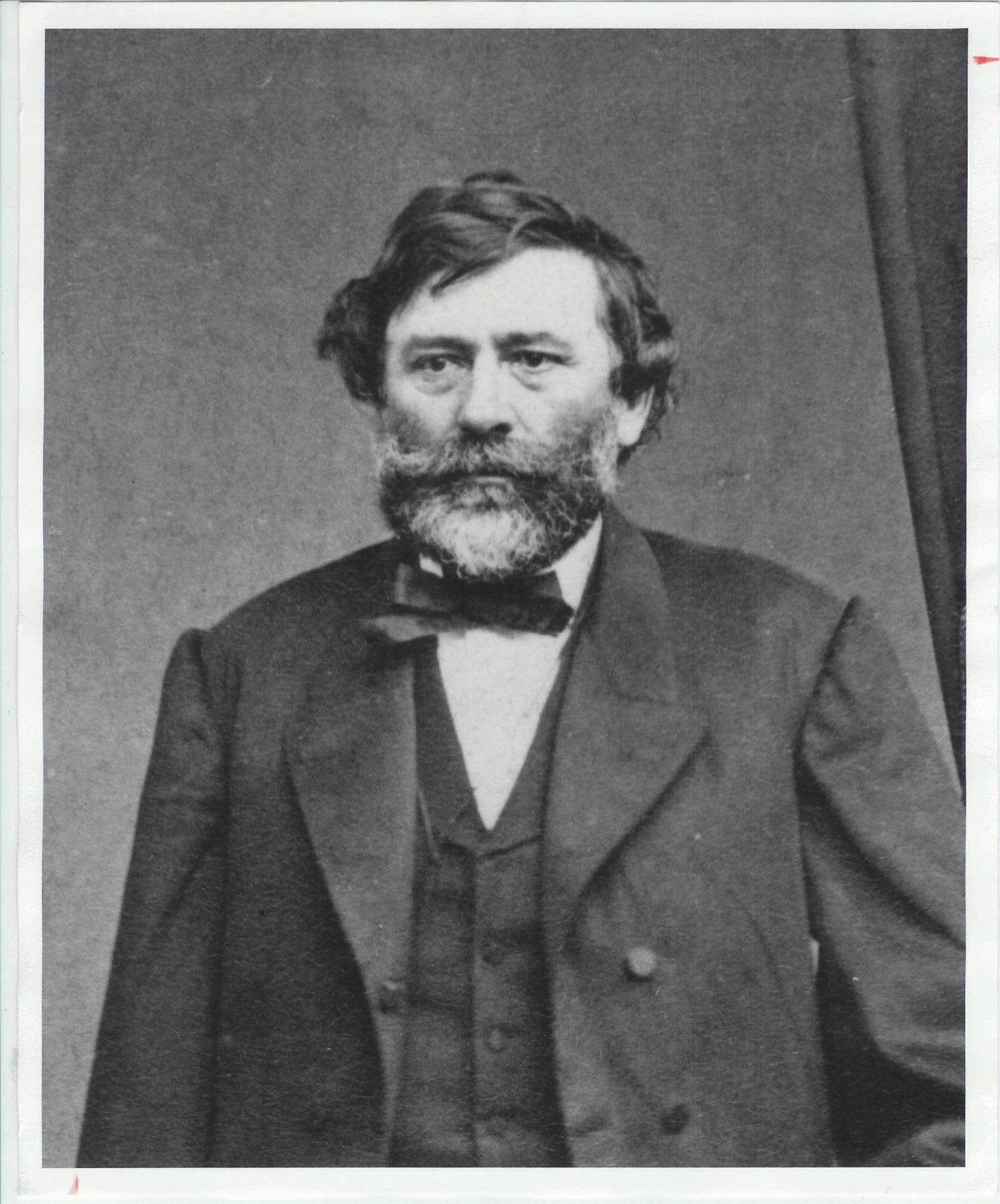
“Los Angeles was known as ‘The City of Vines’ before it was known as L.A.,” Kraftzeck says.
Chalone Puts Monterey County on the Wine Map
A turning point arrived in 1919, when French immigrant Lucian Charles Tamm planted the first vineyard in the Gavilan benchlands at the site that would later become Chalone Vineyards.
“It helped diversify Monterey County’s agricultural industry by showing that you could grow grapes here,” Kraftzeck says.
Decades later, Dick Graff, a Harvard music graduate and former naval officer who studied winemaking at the University of California, Davis, saw the area's potential and began producing wine under the Chalone Vineyard label. Chalone’s 1974 Chardonnay earned third place at the historic 1976 Judgment of Paris, a blind tasting in which California wines famously outperformed French competitors. The result helped establish California wines on the international stage.
The 1970s Spark a Winemaking Boom
As development spread through the Livermore and Santa Clara valleys in the 1960s, winemakers began looking to Monterey County for new vineyard sites. Among them were Edmund Mirassou and Karl Wente, who planted vineyards in Arroyo Seco.
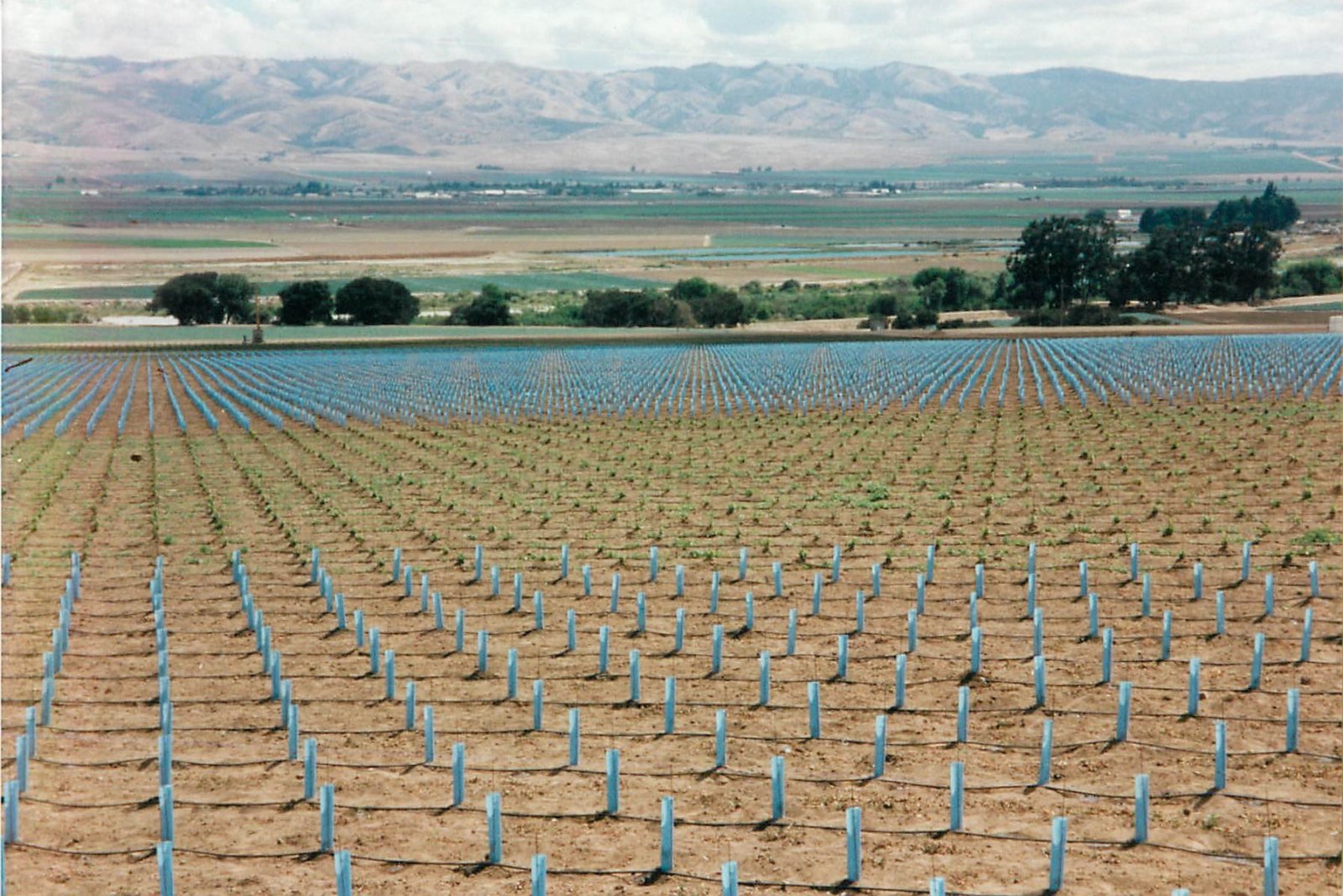
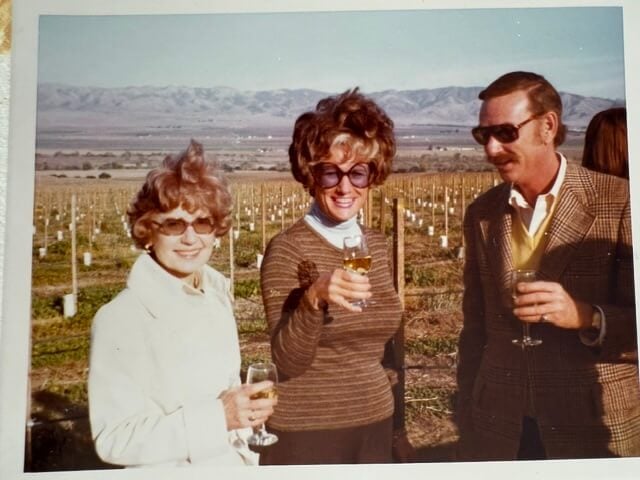
The following decade brought remarkable growth: approximately 25,000 acres of wine grapes were planted in Monterey County between 1971 and 1974. Some of those plantings would eventually become Scheid Vineyards.

“Monterey County winemaking didn’t come into its own until the 1970s,” Kraftzeck says.
The Santa Lucia Highlands and a New Generation of Winemakers
Monterey County’s rise continued as local farming families recognized their land's potential for growing wine grapes. Among them were longtime neighbors and friends Gary Pisoni and Gary Franscioni, whose families transitioned from dairy farming to row crops and, eventually, wine grapes.
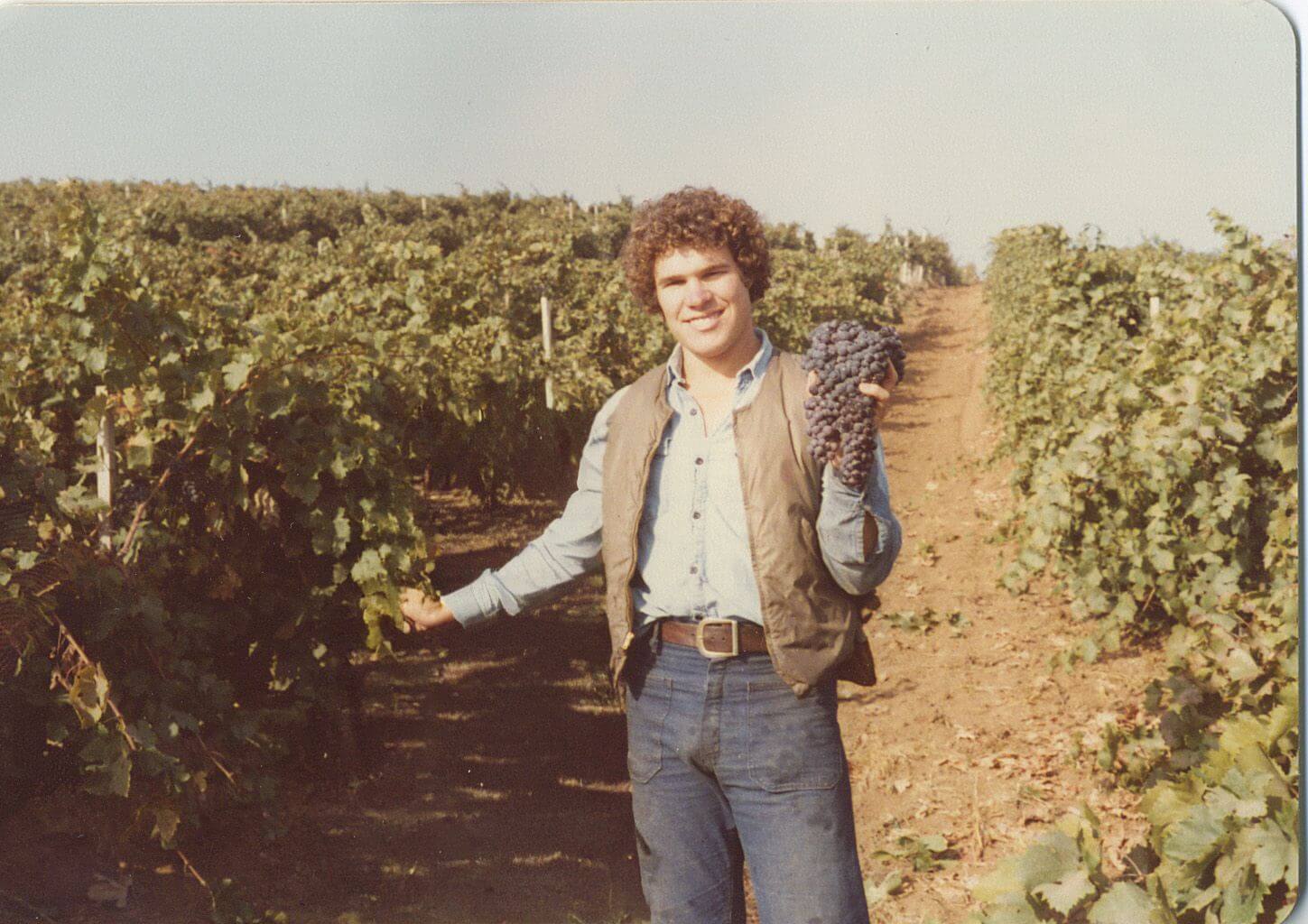
In 1982, Pisoni planted Pisoni Vineyards in the Santa Lucia Highlands. He saw promise in the family ranch but needed to convince his father to embrace the idea.
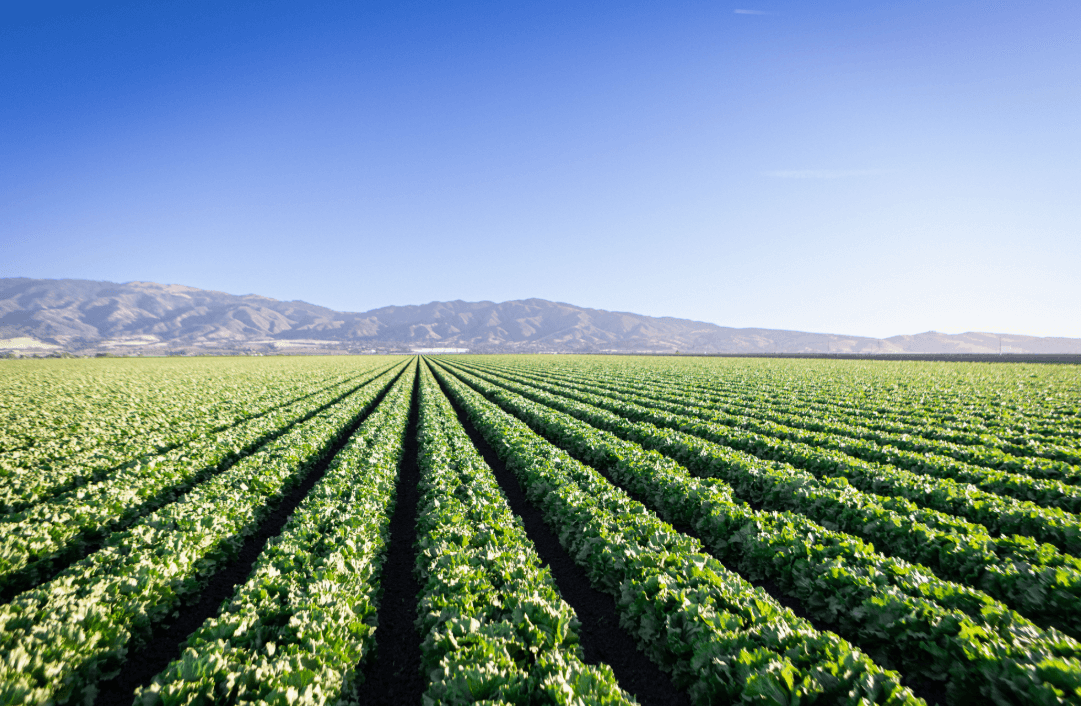
“Have you ever been invited to a $250 black-tie lettuce tasting?” Pisoni recalls asking him. “Then he got it.”
Franscioni followed in 1996, planting 16 acres of wine grapes on his family’s 230-acre ranch: 12 acres of Chardonnay and four acres of Pinot Noir. Five years later, he founded ROAR Wines.
“I didn’t want to be like everyone else, because I was too small [a winery],” Franscioni says. “You have to be unique.”
The two growers collaborated in 1997 to plant Gary’s Vineyard. Today, their families partner in land and farming operations for three vineyards: Gary’s, Soberanes and WindRock.
“We are very different,” Franscioni says of Pisoni. “We are like yin and yang, but we work beautifully together.”
A Diverse Region for Wine
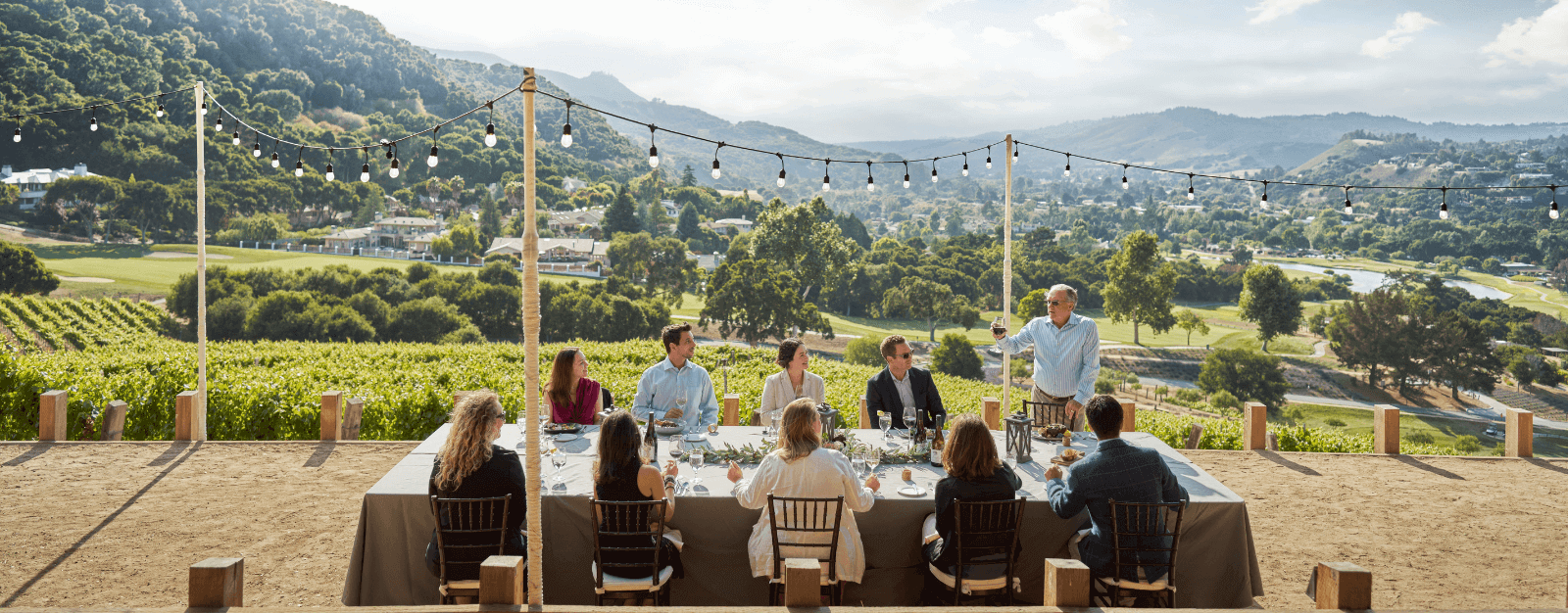
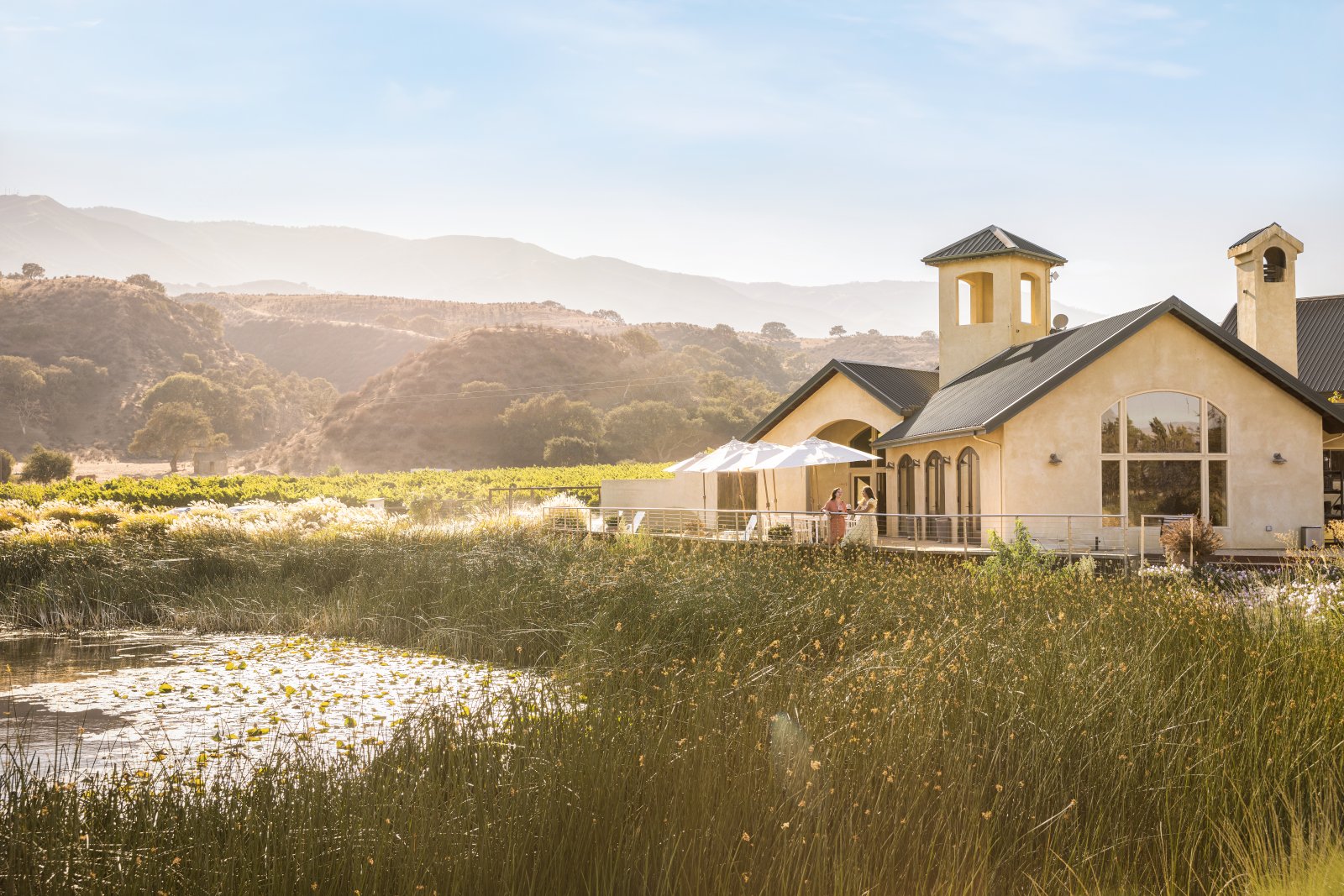
Today, Monterey County is home to over 300 vineyards that cultivate about 38,500 acres of wine grapes. The region grows more than 50 varietals, with Pinot Noir and Chardonnay among the most widely planted.
The county’s varied geography and growing conditions allow different grape varieties to thrive. Cooler-climate areas suit Pinot Noir and Chardonnay, while warmer southern areas support varieties such as Cabernet Sauvignon and Petite Sirah.
“I think we are really blessed, because the county is so diverse,” Kraftzeck says.
Although some historic wine destinations have changed, Monterey County’s winemaking story continues to unfold across its vineyards and tasting rooms. For Franscioni, understanding the region is simple.
“Like anytime you go into a new region, taste as many wines as you can,” he says. “It’s all about tasting wine.”

Stuart Thornton
While researching an edition of his Moon Monterey & Carmel Guidebook 10 years ago, Stuart Thornton took a guided history tour at Monterey State Historic Park. That one-hour walk opened his eyes to the richness of Monterey County’s past and inspired him to join the interpretive crew at the park. These days, Stuart works as a Monterey State Historic Park Guide and authors Moon Travel Guides. He loves to find little-known stories from Monterey’s history to share with park visitors or to write about in various publications. To view more of Stuart’s writings, please visit www.stuartthornton.com.