




An Interview with Cameron Binkley, Command Historian, United States Army

Inspired by America 250, Monterey 1000 broadens the lens to recognize histories that long predate the founding of the United States. Over the coming year, this ongoing series will explore those stories, starting with some of the earliest chapters and connecting them to what makes the destination distinctive today.
Monterey's military history stretches back more than 250 years, when the city served as the Spanish capital of Alta California. From its earliest days as a Spanish military outpost to its role as a center for military education, training and national defense, Monterey County has played an important part in the nation's history.
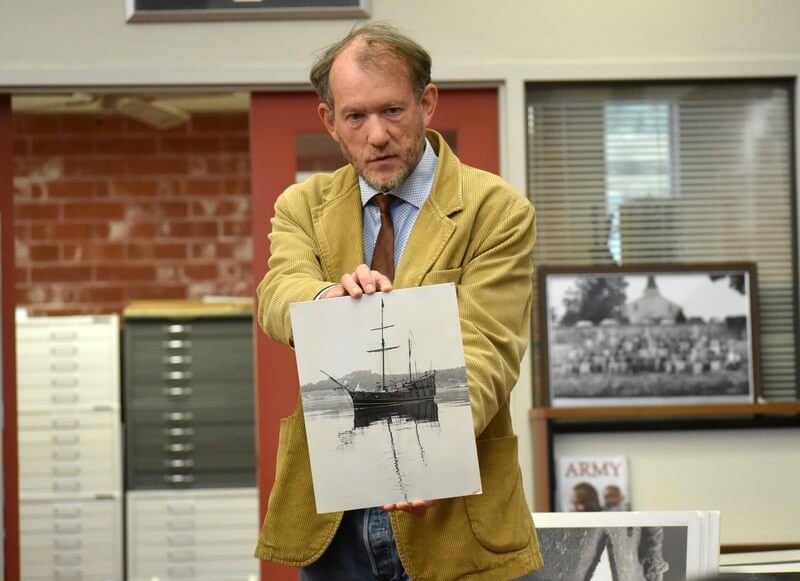
Today, the region remains home to the U.S. Army, Navy and Coast Guard, as well as generations of military personnel and veterans. Command Historian Cameron Binkley shares the stories behind some of the area's most significant military landmarks and historic events.
The Spanish Presidio: Monterey's Military Beginnings
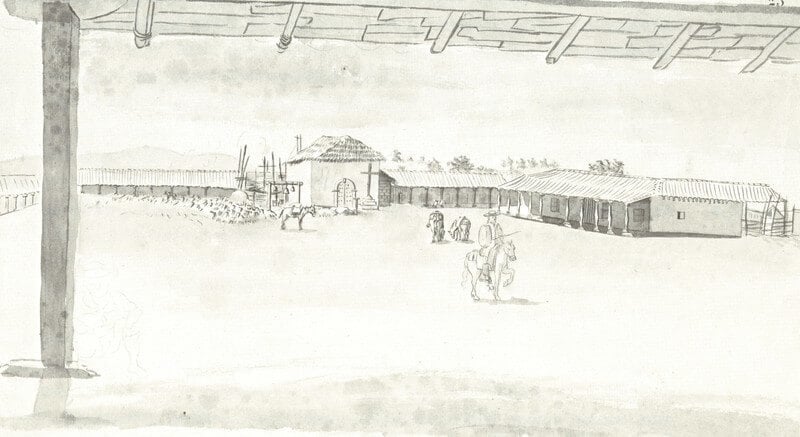
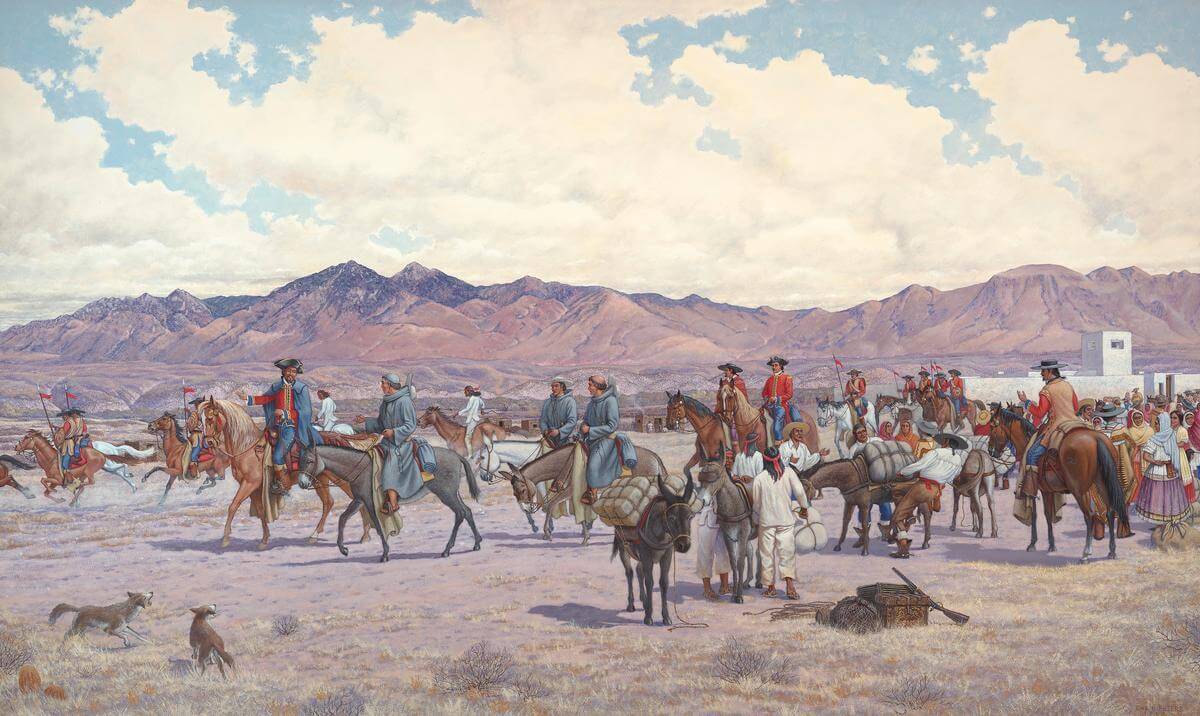
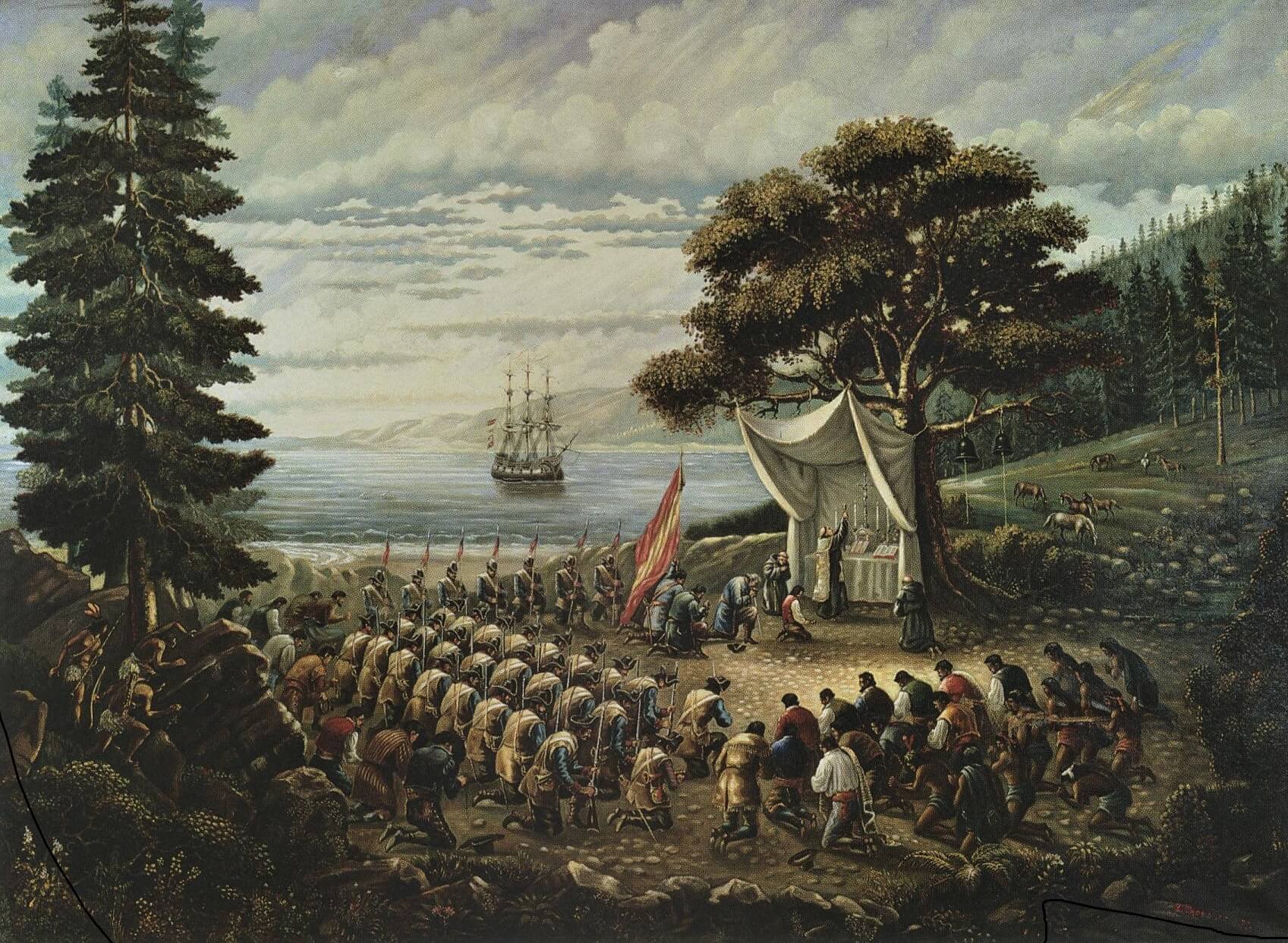
Monterey's military presence dates to 1770, when the Spanish established the Presidio of Monterey. The original Presidio was built near what is now San Carlos Cathedral, in the area of El Estero, or estuary.
According to Command Historian Cameron Binkley, exaggerated maps created by Sebastian Vizcaino described a protected bay suitable for ships. Before Spanish authorities discovered San Francisco Bay, they chose Monterey for their military outpost.
In 1792, Spain constructed El Castillo at what is now Lower Presidio Historic Park. One of four Spanish military installations built to defend against potential British and Russian invasions, it joined similar forts in San Diego, San Francisco and Santa Barbara.
The Battle of Monterey
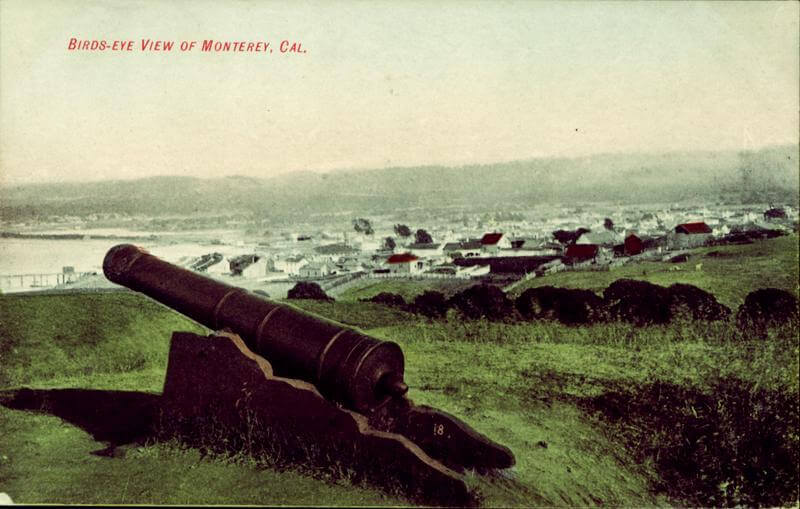
Lower Presidio Historic Park also hosted the only land-and-sea battles in the Continental United States.
In 1818, Argentine privateer Hippolyte Bouchard arrived in Monterey while Argentina was fighting Spain for independence. Bouchard had sailed from the Sandwich Islands (Hawaiʻi) with a crew of hired men, intending to attack Monterey.
Although Spanish forces initially held off the ships with cannons, El Castillo lacked adequate land fortifications. Bouchard's crew landed near what is now the Monterey Bay Aquarium and Hopkins Marine Station before advancing on the Spanish installation.
The crew overtook the Spanish regiment, and Argentina held Monterey for six days, during which the city was sacked.
The American Flag Arrives in Monterey
On July 7, 1846, Commodore John D. Sloat arrived in Monterey as part of the American occupation of California. Navy Captain William Mervine raised the American flag at the Customs House alongside approximately 250 Marines and sailors.
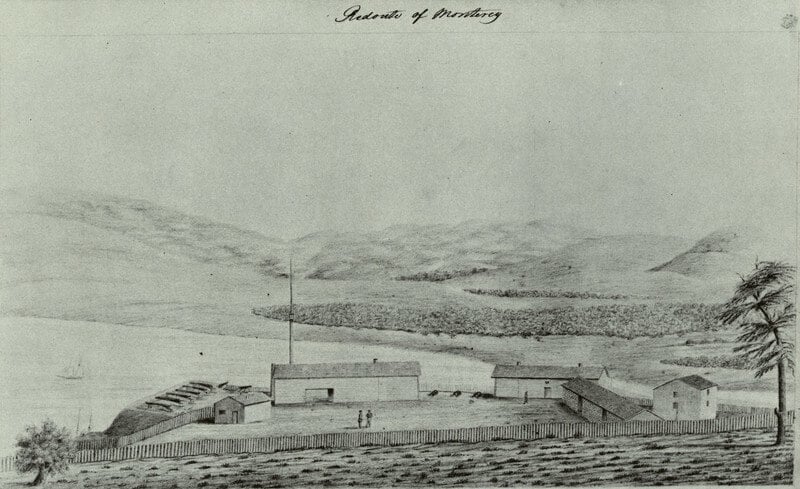
Following the occupation, the United States established a military base on the hillside above El Castillo, known locally as Fort Mervine. Although it was not necessarily the installation's official name, Binkley explains that locals remembered Mervine for raising the American flag.
Over the years, the site was also known by several other names, including Monterey Redoubt, Fort Hill, Fort Halleck, Fort Sloat, Fort Stockton and Camp Monterey.
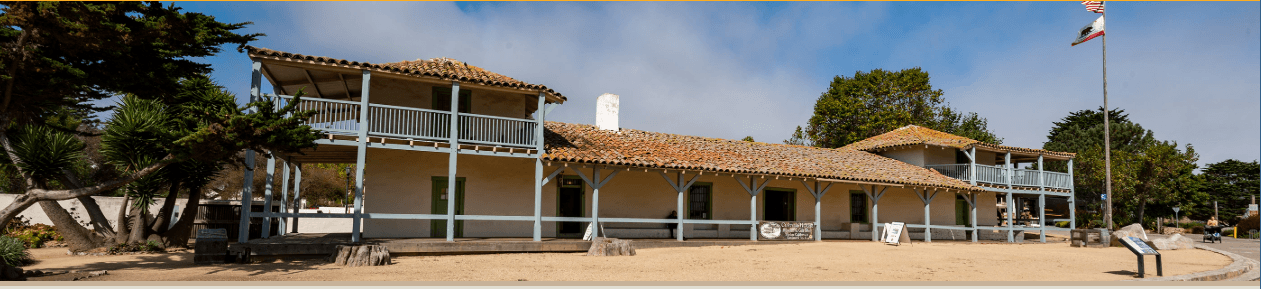
The U.S. Army continued occupying Monterey, with military governors residing at the Mexican-era El Cuartel until California became a state. Brigadier General Bennet Riley called the first election and Constitutional Convention in Monterey.
After statehood in 1850, Fort Mervine became a military reservation, and local farmers leased the property. The installation was briefly reactivated in 1865 during the Civil War to monitor for Confederate ships approaching the coast.
The Buffalo Soldiers Come to Monterey
In 1902, after the Philippine Insurrection and the illegal annexation of the sovereign Kingdom of Hawaiʻi, the United States sought additional West Coast military installations to help protect the Pacific. Monterey was an ideal location, with a new rail line connecting it to San Francisco and a wharf accommodating steamships.
The military reservation became active again, beginning a continuous military presence that continues today.
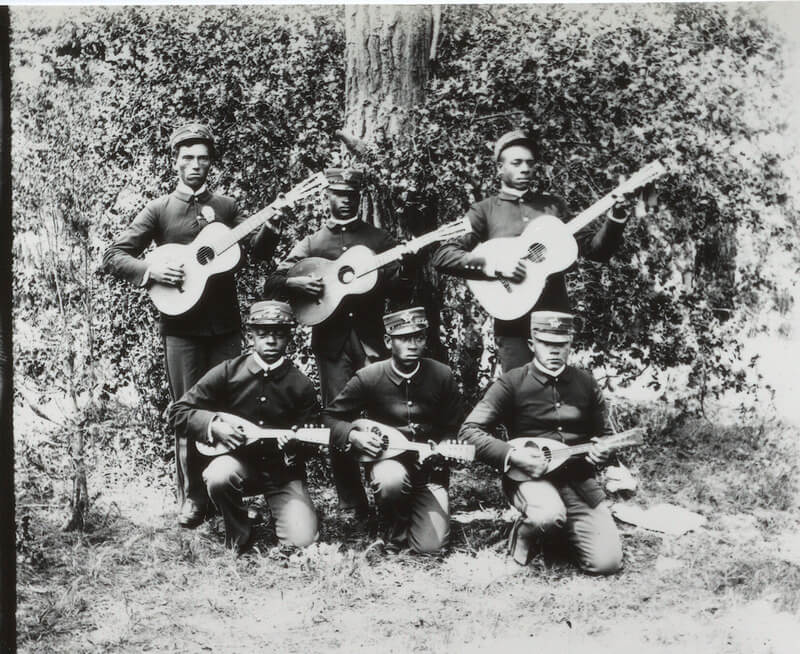
In November 1902, the Ninth Cavalry's First Squadron arrived in Monterey. Fresh from the Philippine-American War, approximately 425 soldiers, including war veterans and new recruits, were assigned to the military reservation.
While the 15th Infantry occupied the military base, the segregated Ninth Cavalry established camp outside the installation above China Point, near today's Hopkins Marine Station in Pacific Grove.
In June 1903, 36 unbroken horses arrived in Monterey. Local residents often watched the Buffalo Soldiers work to break in the horses, as well as their training exercises and daily activities.
The Buffalo Soldiers were an African American cavalry regiment whose presence became a memorable part of Monterey's military history.
From Monterey to the National Parks
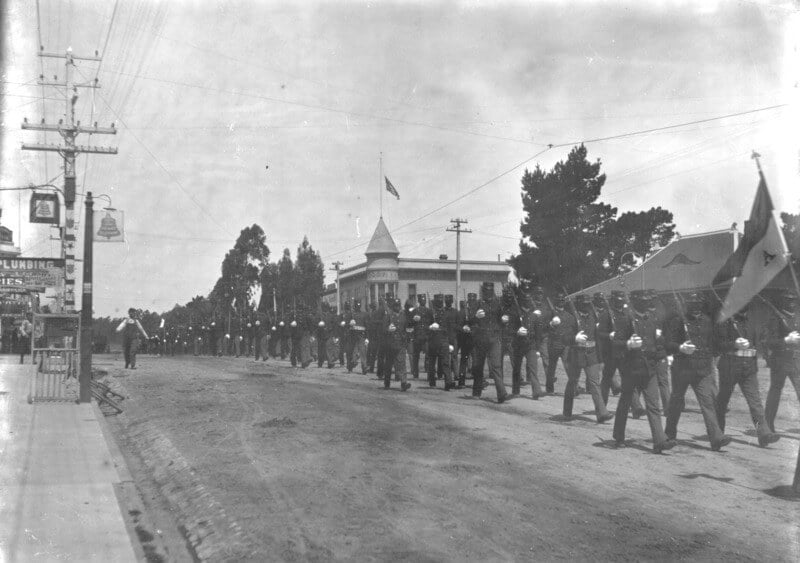
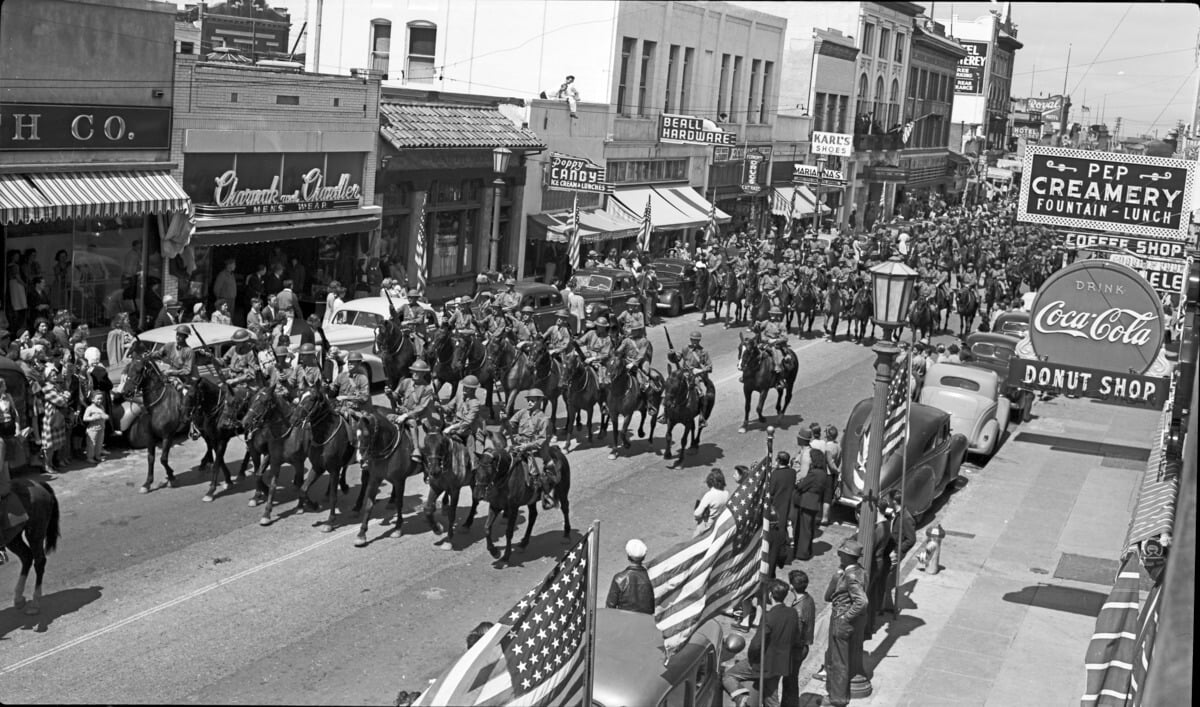
While recovering from the Philippine-American War and training new recruits and horses, the Ninth Cavalry maintained a demanding schedule. Locals enjoyed watching the soldiers participate in parades, marksmanship practice and field days. Training the new horses and recruits sometimes resembled a rodeo.
By late November 1903, construction of the new barracks was complete, and the Ninth Cavalry moved into its quarters in December. Buildings 450, 451, 452 and 453 still stand and remain in use today.
On May 9, 1904, the Ninth Cavalry departed Monterey for Yosemite, Sequoia and General Grant (now Kings Canyon) National Parks. Their assignments included patrolling for poachers and trespassers and establishing an arboretum. They are also credited with creating the first marked trail in a national park.
After a productive summer, the soldiers began their 200-mile return trek to Monterey on October 15, 1904. On November 1, the Ninth Cavalry's First Squadron departed the Presidio of Monterey for the last time.
A Monument to Monterey's Military History
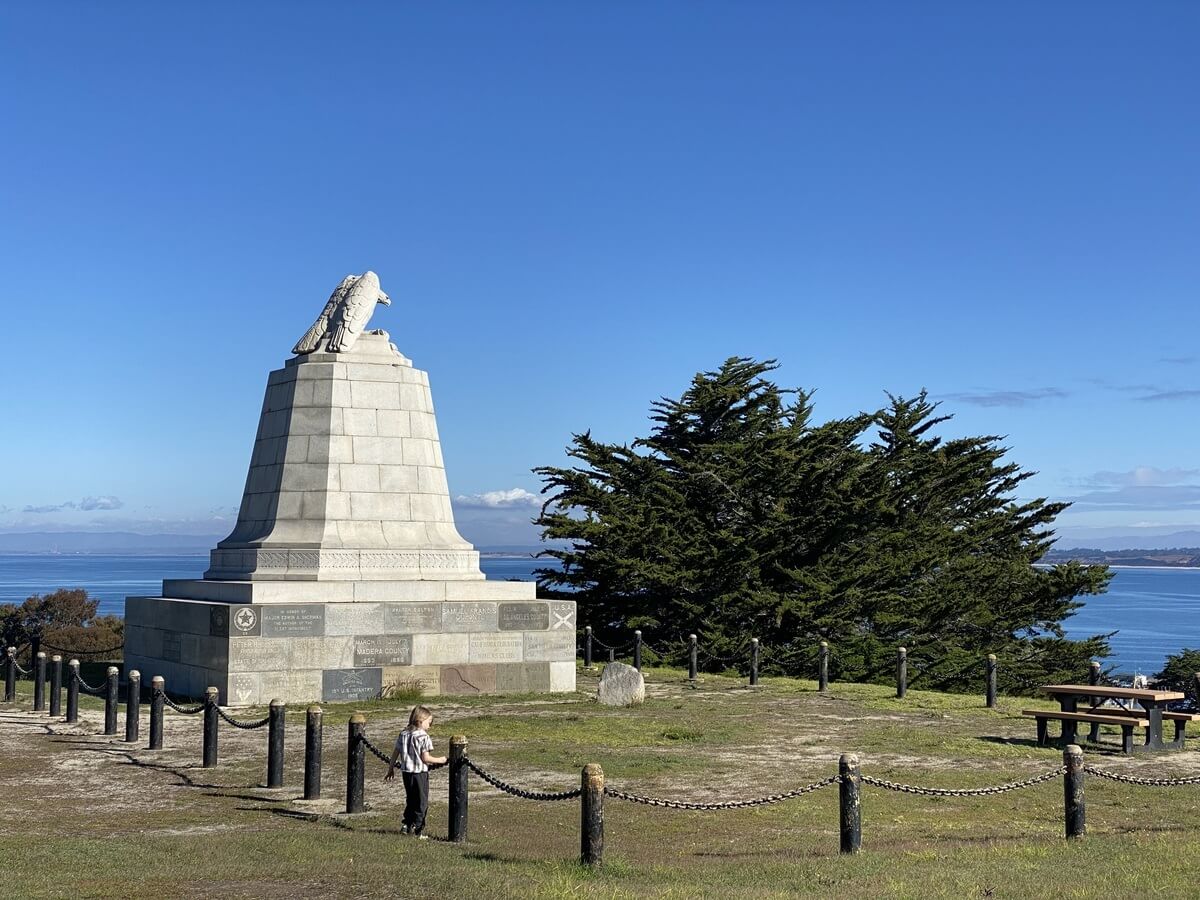
Although originally planned for the 50th anniversary of the Mexican-American War, the Sloat Monument was finally unveiled in 1910. Veterans had envisioned a West Coast monument commemorating Commodore Sloat's landing near Fort Mervine.
The monument's design incorporates several symbolic details:
- 31 feet tall: Represents California as the 31st state.
- 24-foot-square base: Symbolizes the 24 hours in a day.
- Four-foot-wide base stones: Represent the four hours in a sailor's watch.
- 13-foot eagle: Represents the original 13 states.
Today, the monument remains a notable landmark at Lower Presidio Historic Park.
Fort Ord and the Expansion of Military Monterey
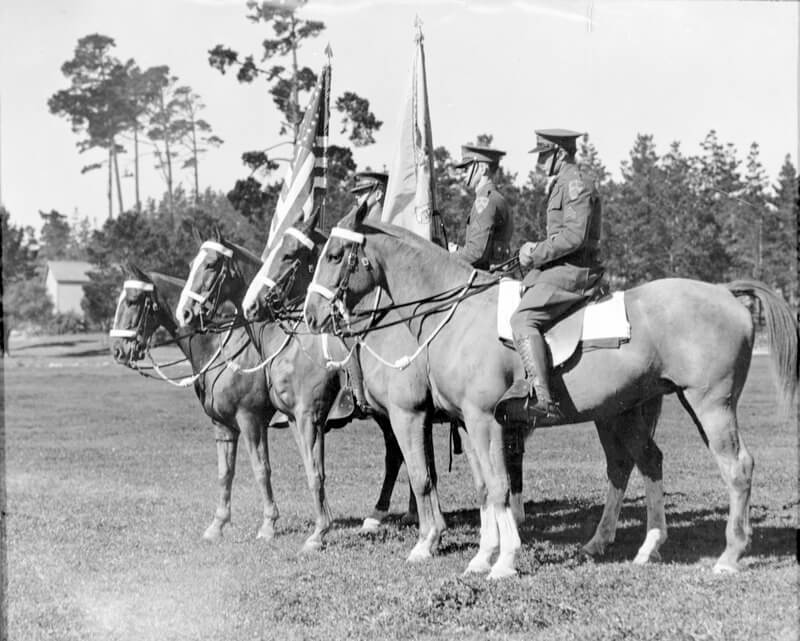
In 1917, the Department of War purchased approximately 15,000 acres from David Jacks to establish Fort Ord as a training site for the Presidio of Monterey. The installation was named for Major General E.O.C. Ord, who had arrived in Monterey in 1847 at Fort Mervine.
In 1940, the U.S. Army and Navy began expanding military operations in preparation for World War II. By 1942, Fort Ord had grown to more than 28,000 acres.
For much of the 20th century, Fort Ord served as an important training ground during both wartime and peacetime.
In 1991, Fort Ord was among 35 military installations selected for closure through the Base Realignment and Closure (BRAC) process. Through Congressman Sam Farr's work, the former military property was transferred for community use, including lands for Seaside and Marina, California State University, Monterey Bay, and Fort Ord National Monument.
World War II and Monterey's Pacific Coast
Monterey County's military importance continued to grow during World War II.
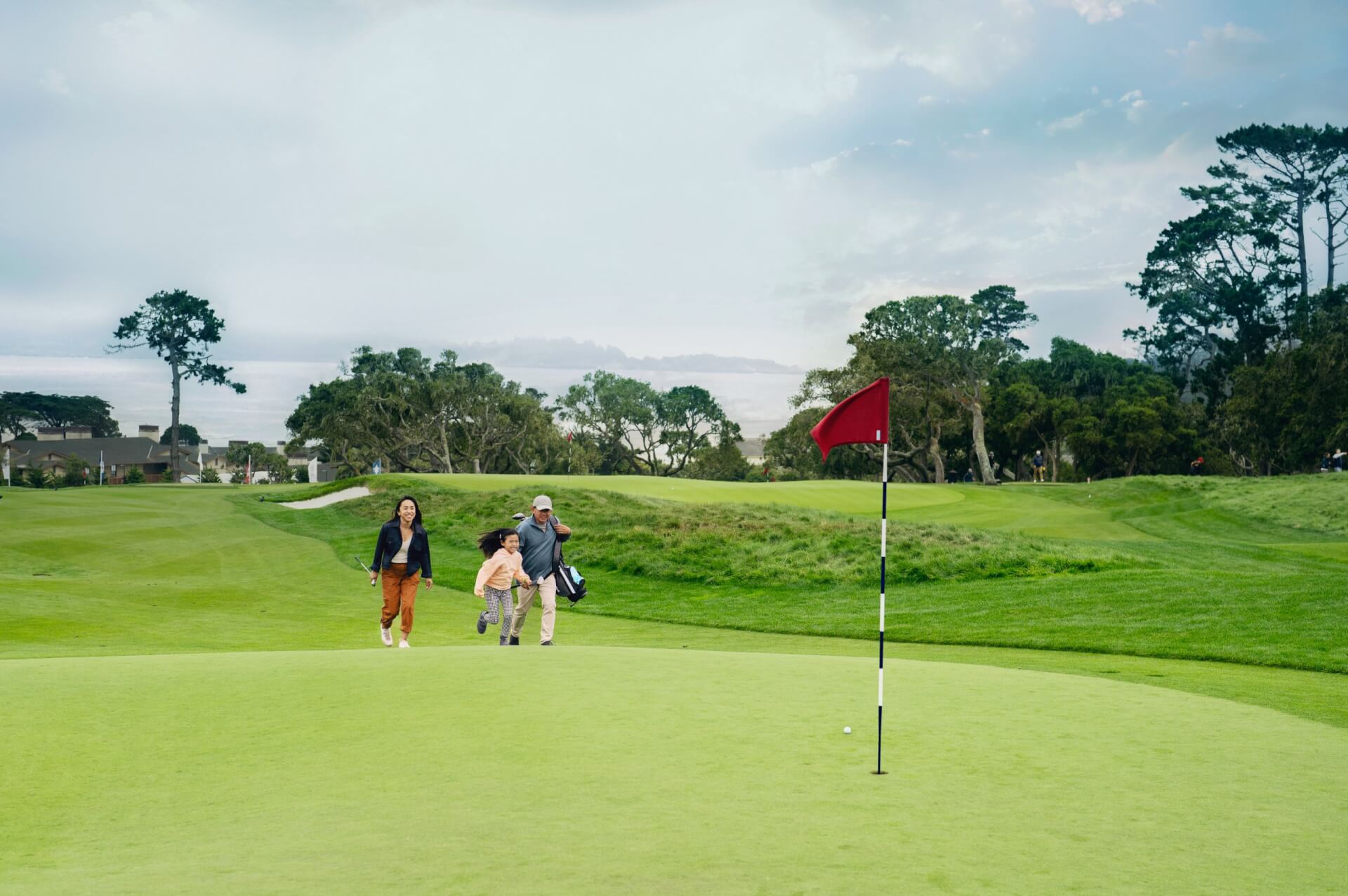
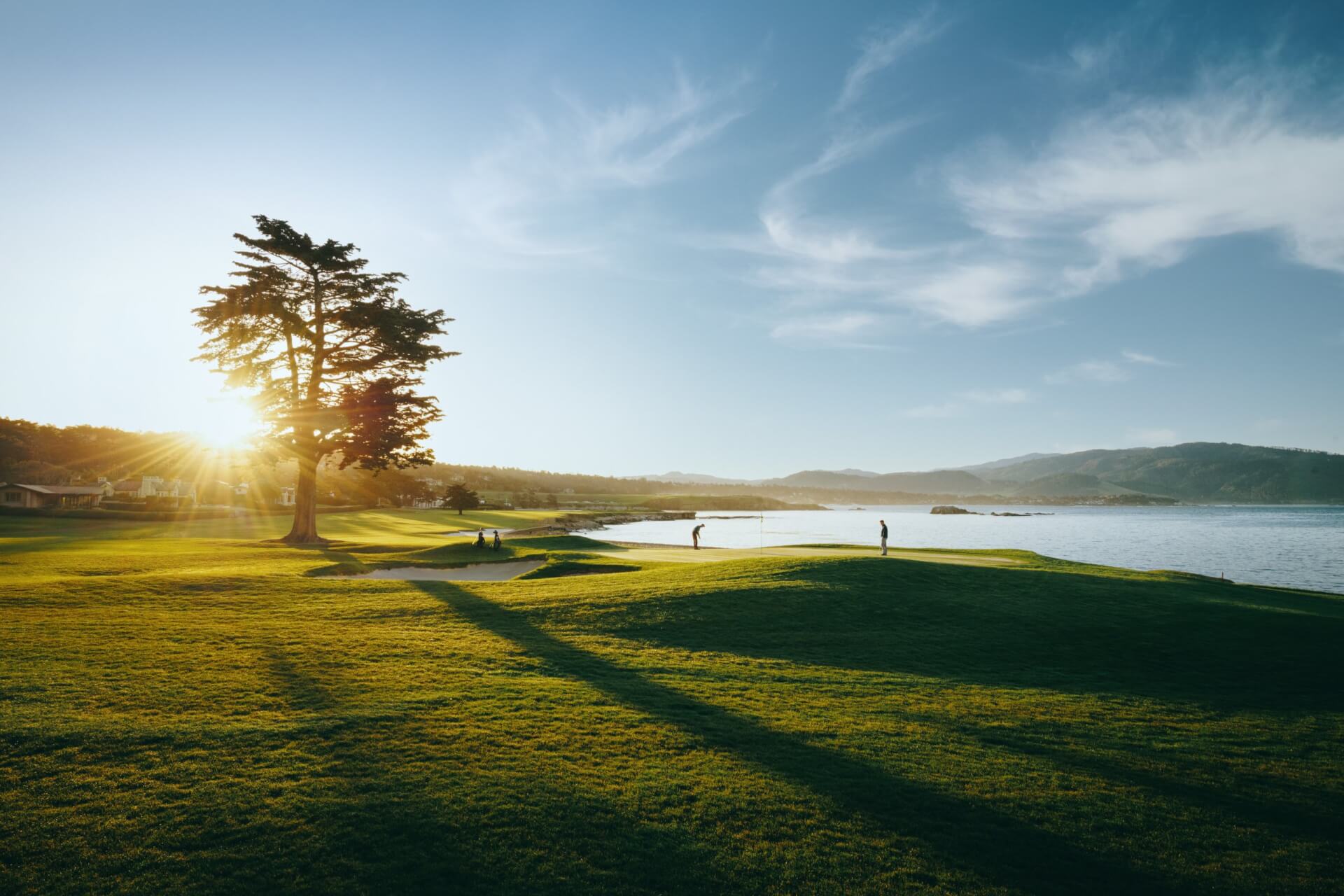
In 1941, a Japanese submarine surfaced near Pebble Beach and fired on an American oil tanker. Golfers in the area spotted smoke in the distance. The incident heightened vigilance along the California coastline.
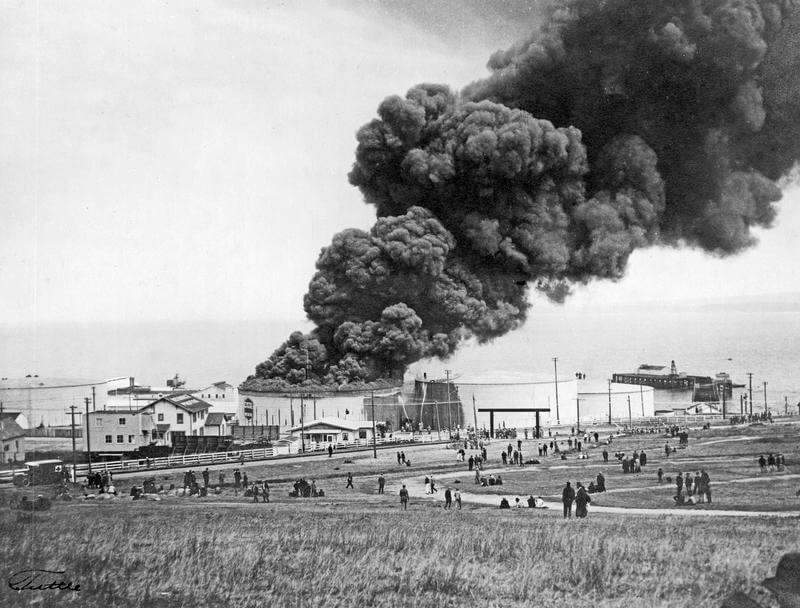
The military also played an important role in protecting Monterey's waterfront. On September 14, 1924, lightning struck an oil container at the Associated Oil facility near the current U.S. Coast Guard Station, sparking a fire that threatened the wharf and Cannery Row. The Army and fire department worked together to contain the blaze. Privates Eustace Watkins and George Bolio lost their lives.
In 1934, the Army Corps of Engineers completed the breakwater to protect the fishing fleet from incoming tides. Today, the breakwater is home to a colony of sea lions and the U.S. Coast Guard.
The Navy's Monterey Connection
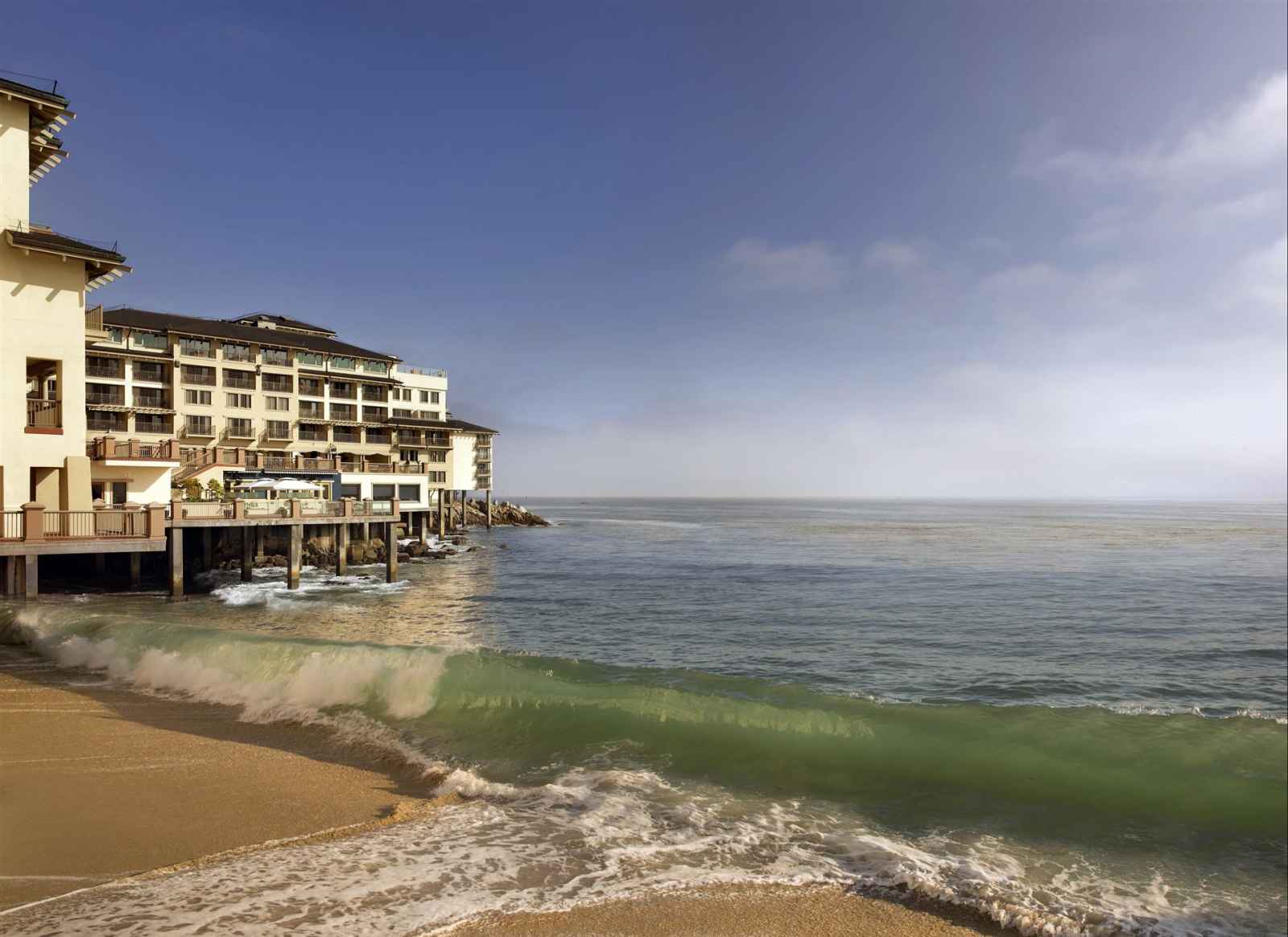
During World War II, S.F.B. Morse leased the historic Hotel Del Monte, which had helped establish the Monterey Peninsula's tourism industry, to the Navy.
After the war, the government bought the property to establish a graduate-level Naval program outside Annapolis. Today, the former hotel building, now known as Hermann Hall, is part of the Naval Postgraduate School.
Naval Support Activity Monterey supports graduate-level programs for the Department of Defense and oceanographic research.
Monterey's Military Mission Continues Today
Following World War II, the U.S. military underwent significant demobilization, reducing its forces from approximately eight million troops to 650,000.
During this period, the Defense Language Institute expanded its language training program in Monterey. Japanese Americans from Hawaii and California helped teach Japanese to enlisted military personnel.
Today, the Defense Language Institute Foreign Language Center (DLIFLC) at the Presidio of Monterey serves as the Department of Defense's primary foreign language training site. Its mission supports national security by preparing service members for language assignments worldwide.
During Operation Enduring Freedom, Danish military personnel also came to Monterey to study Pashto in support of U.S. operations.
The region's military presence extends beyond the Presidio. Fort Hunter Liggett, Camp Roberts and Naval Support Activity Monterey continue to support military training, education and research throughout the region.
From the Spanish Presidio to today's military institutions, Monterey County's military history remains an important part of its identity.
Explore Monterey County's Military History
Visitors can explore many of the places and institutions connected to this history:
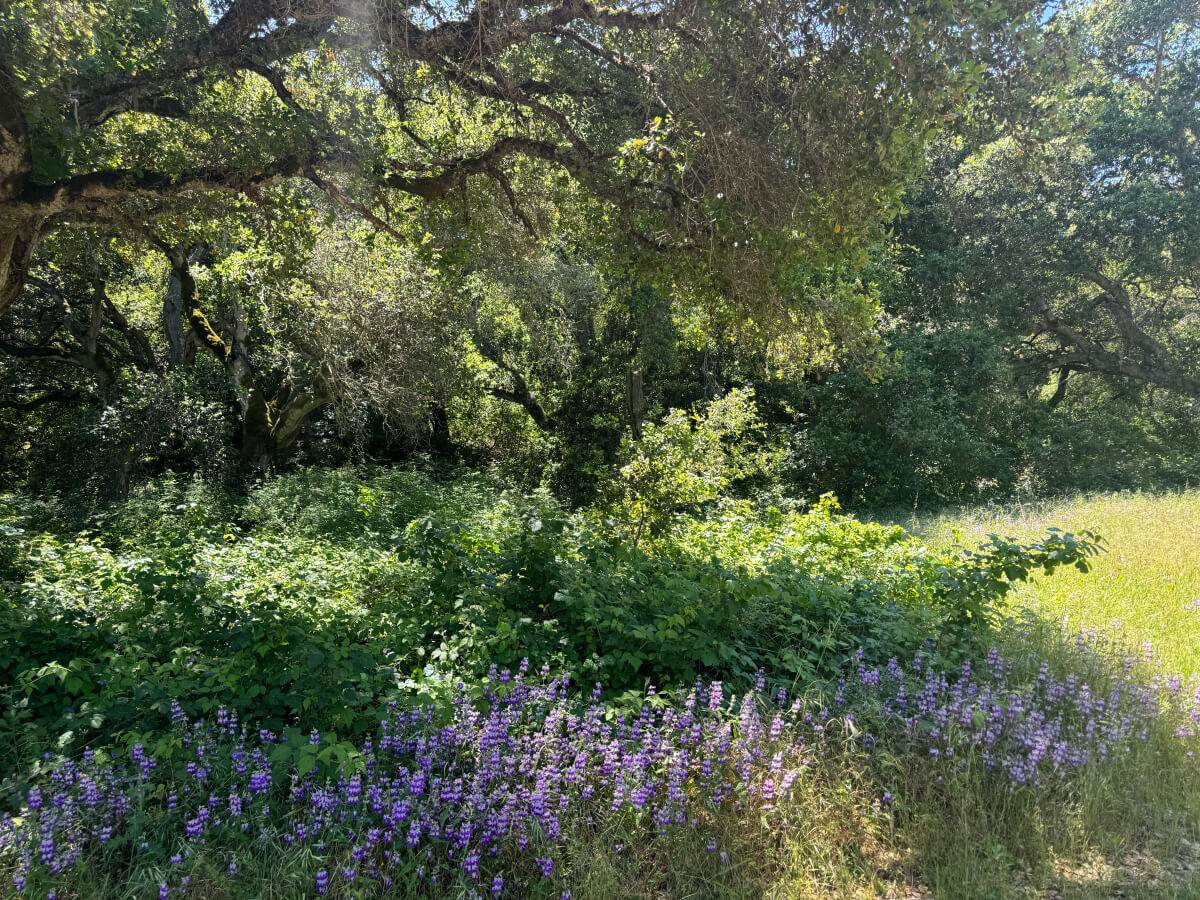
- Fort Ord National Monument: Explore the former military training grounds, now preserved for public recreation and natural conservation.
- Presidio of Monterey Museum: Discover the history of the Presidio and its role in Monterey's military past.
- Lower Presidio Historic Park: Visit the historic site of El Castillo and the Sloat Monument.
- Camp Roberts Historical Museum: Learn more about this Central Coast military installation.

Brian Edwards
Brian Edwards is the Library & Museums Director for the City of Monterey. He focuses on preserving and sharing our cultural and historic resources for people today. He serves on the board of the Monterey State Historic Park Association and promotes events and information for early California. He has a background in studio art, storytelling, research, and information sharing. He loves to share stories with residents and visitors throughout Monterey County.